Innovations
5 major gas detection mistakes
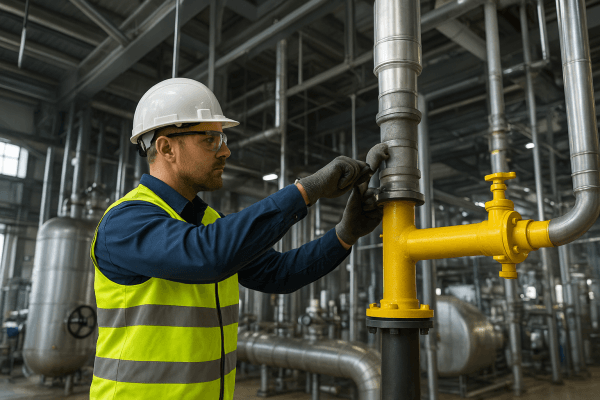
Gas detection is one of the most critical safety measures in the oil and gas industry. Whether supporting confined space entry, production operations, drilling activities, maintenance shutdowns, or emergency response, gas detection equipment provides essential data that workers rely on to make safe decisions. Despite advances in technology, incidents still occur—not because the equipment fails, but because it is not used, maintained, or interpreted correctly. Based on industry experience across upstream, midstream, downstream, and offshore environments, here are five of the most common gas detection mistakes observed in the field:
1.Assuming a Gas Detector Is Ready Because It Turns On
A gas detector powering on does not guarantee it is functioning properly. Sensors can drift, become contaminated, lose sensitivity, or fail entirely while still displaying readings. Without routine bump testing and calibration, workers may unknowingly rely on inaccurate data. Gas detectors should be treated as life-saving systems that must be verified before every use.
2. Using the Wrong Sensor Configuration
Different environments present different hazards. A standard detector setup (such as H₂S, oxygen, carbon monoxide, and LEL) may not detect other dangerous gases like ammonia, chlorine, sulfur dioxide, or volatile organic compounds. Effective gas detection starts with identifying actual site-specific risks, not relying on a one-size-fits-all solution.
3.Ignoring Environmental Conditions
Environmental factors such as temperature, humidity, wind, dust, and ventilation can significantly affect gas behavior and detector performance. Some gases accumulate, while others disperse quickly. Conditions can change rapidly, altering exposure risks. Successful monitoring requires understanding both the equipment and the environment.
4.Poor Maintenance of Equipment
Gas detectors require regular inspection, calibration, and maintenance. Skipping maintenance due to time constraints or operational pressure creates hidden risks. Equipment failure during a critical moment can lead to severe consequences. Preventive maintenance is always more cost-effective than emergency failure
5.Treating Gas Detection as a Compliance Requirement
One of the most dangerous mistakes is viewing gas detection as a simple regulatory obligation. High-performing organizations use gas detection data to improve safety, identify risks, and enhance operational decisions. It is not just about compliance—it is about protecting lives, ensuring continuity, and maintaining reputation.
Most gas detection failures are not caused by technology, but by human and process errors. Organizations that achieve the highest safety standards combine reliable equipment, proper maintenance, trained personnel, and strong operational discipline.
In an industry where a single missed alarm can have serious consequences, effective gas detection is not optional—it is essential.
Partners