Innovations
The importance of quality assurance in oil and gas pipeline equipment
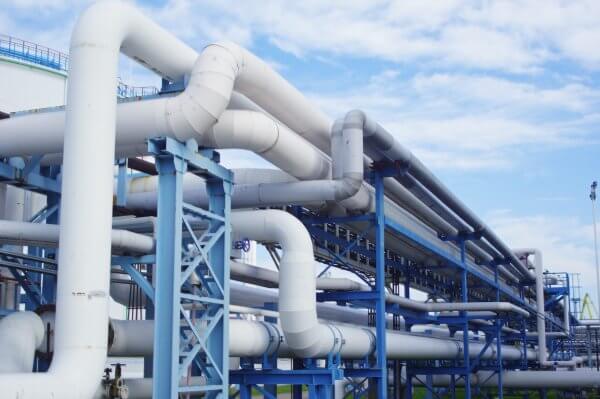
The oil and gas industry is one of the most demanding sectors in the world. Every component used in pipeline systems must withstand high pressure, harsh weather conditions, and continuous operational requirements. Oil and gas pipeline equipment is used for the transportation of oil and gas, processing operations, and energy supply. Therefore, ensuring that this equipment operates safely and efficiently is extremely important. In such a high-risk industry, quality assurance is not just a recommendation — it is a necessity.
Quality assurance in oil and gas pipeline equipment is a set of processes that ensures products comply with industry standards and operate safely and reliably. This applies to pipes, fittings, flanges, valves, and other components. Quality assurance helps prevent failures, reduce maintenance costs, and improve overall operational efficiency.
What Is Quality Assurance in Oil and Gas Pipeline Equipment?
Quality assurance is a systematic process that ensures products are manufactured, inspected, and delivered according to specific standards.
Unlike quality control:
1. Ensures Operational Safety
The most important priority in the oil and gas industry is safety. Pipeline systems transport hazardous materials over long distances. Any equipment failure can lead to:
2. Reduces Equipment Failure Risks
Pipeline equipment operates under various challenging conditions, including:
3. Improves System Reliability
In oil and gas operations, unexpected downtime can result in significant financial losses. Reliable pipeline equipment provides:
The oil and gas sector operates under strict safety and quality regulations.
Major industry standards include:
The Role of Material Quality in Pipeline Equipment
One of the key stages of quality assurance is selecting the right materials.
Common materials used in pipeline equipment include:
Design Verification
Engineers review equipment designs to ensure compliance with technical requirements and industry standards.
Manufacturing Process Monitoring
Production stages are continuously monitored to maintain consistency and accuracy.
Dimensional Inspection
Components are inspected to confirm that they meet required technical measurements and tolerances.
Welding Quality Inspection
Welded joints are tested to ensure strength, durability, and long-term reliability.
Surface Protection Verification
Protective coatings and surface treatments are evaluated to prevent corrosion.
Quality Assurance and Corrosion Prevention
Corrosion is one of the main causes of pipeline failures.
Factors that contribute to corrosion include:
High-quality pipeline equipment:
Quality assurance in oil and gas pipeline equipment is a set of processes that ensures products comply with industry standards and operate safely and reliably. This applies to pipes, fittings, flanges, valves, and other components. Quality assurance helps prevent failures, reduce maintenance costs, and improve overall operational efficiency.
What Is Quality Assurance in Oil and Gas Pipeline Equipment?
Quality assurance is a systematic process that ensures products are manufactured, inspected, and delivered according to specific standards.
Unlike quality control:
- Quality control identifies problems after a product has been manufactured.
- Quality assurance focuses on preventing problems before they occur.
- Material inspection and verification
- Ensuring compliance with international standards
- Monitoring manufacturing processes
- Performance testing
- Documentation and traceability
- Continuous improvement initiatives
1. Ensures Operational Safety
The most important priority in the oil and gas industry is safety. Pipeline systems transport hazardous materials over long distances. Any equipment failure can lead to:
- Pipeline ruptures
- Pressure-related failures
- Corrosion-related accidents
- Leakage of hazardous substances
- Equipment malfunctions
2. Reduces Equipment Failure Risks
Pipeline equipment operates under various challenging conditions, including:
- High temperatures
- High pressure
- Corrosive substances
- Mechanical stress
- Harsh environmental conditions
3. Improves System Reliability
In oil and gas operations, unexpected downtime can result in significant financial losses. Reliable pipeline equipment provides:
- Stable operation
- Longer service life
- Reduced maintenance requirements
- Improved operational efficiency
The oil and gas sector operates under strict safety and quality regulations.
Major industry standards include:
- API (American Petroleum Institute)
- ASME (American Society of Mechanical Engineers)
- ASTM (American Society for Testing and Materials)
- ISO certifications
- NACE corrosion resistance standards
The Role of Material Quality in Pipeline Equipment
One of the key stages of quality assurance is selecting the right materials.
Common materials used in pipeline equipment include:
- Carbon steel
- Stainless steel
- Alloy steel
- Duplex stainless steel
- Nickel alloys
- Chemical composition analysis
- Mechanical property testing
- Hardness testing
- Impact testing
- Corrosion resistance evaluation
Design Verification
Engineers review equipment designs to ensure compliance with technical requirements and industry standards.
Manufacturing Process Monitoring
Production stages are continuously monitored to maintain consistency and accuracy.
Dimensional Inspection
Components are inspected to confirm that they meet required technical measurements and tolerances.
Welding Quality Inspection
Welded joints are tested to ensure strength, durability, and long-term reliability.
Surface Protection Verification
Protective coatings and surface treatments are evaluated to prevent corrosion.
Quality Assurance and Corrosion Prevention
Corrosion is one of the main causes of pipeline failures.
Factors that contribute to corrosion include:
- Moisture exposure
- Chemical reactions
- Saltwater environments
- Temperature fluctuations
- Proper material selection
- Protective coatings
- Corrosion-resistant alloys
- Testing procedures
High-quality pipeline equipment:
- Reduces the risk of accidents
- Lowers maintenance costs
- Improves operational continuity
- Protects the environment
Partners