Innovations
The importance of gas handling systems in industrial facilities
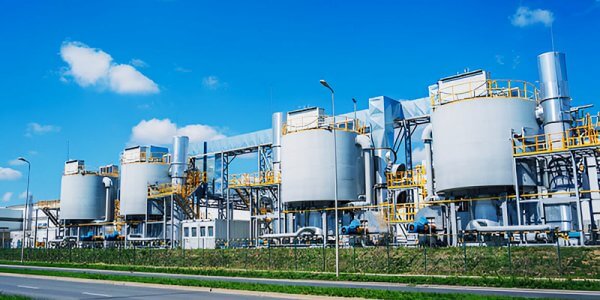
Gas handling systems are an essential part of industrial operations across various sectors, including wastewater treatment, chemical manufacturing, power generation, oil and gas processing, and other industrial applications. These systems are designed to collect, process, control, and safely manage industrial gases.
Efficient gas handling is crucial for maintaining safety standards, optimizing production processes, protecting the environment, and ensuring compliance with national and international regulations.
An effective gas handling system provides the following benefits:
Effective collection technologies ensure that even small amounts of hazardous gases are captured and safely managed.
Wet scrubbers and dry scrubbers are commonly used to remove pollutants and neutralize harmful substances, especially sulfur dioxide and other acidic gases.
Compressed gases are stored in specially designed tanks or cylinders to prevent leakage and ensure safe handling. These systems are especially important for gases such as hydrogen and natural gas.
This stage is particularly important in industries where gases are transported through pipelines, such as natural gas distribution networks.
These systems include:
They are widely used in industries such as mining, chemical processing, and manufacturing facilities where controlling hazardous gases is essential.
Catalytic converters, scrubbers, and other treatment technologies help reduce harmful substances before gases are released into the atmosphere.
They safely burn excess or unwanted gases, preventing dangerous pressure buildup and reducing the release of untreated gases into the environment.
These solutions improve efficiency and reduce waste, especially in industries where gases such as hydrogen and carbon dioxide can be reused.
For example, corrosive gases such as sulfur dioxide require corrosion-resistant equipment and specialized components.
Proper design should include safety features such as:
They support sustainability goals by reducing greenhouse gas emissions and improving resource efficiency.
Efficient gas management also helps minimize energy losses and optimize industrial processes.
Real-time monitoring technologies allow companies to detect potential problems early and take preventive action.
ENERMUS QSC provides professional solutions in the gas industry, including gas equipment manufacturing, installation services, and technical support. With advanced technologies and experienced specialists, ENERMUS QSC helps industrial facilities develop reliable and secure gas infrastructure.
Efficient gas handling is crucial for maintaining safety standards, optimizing production processes, protecting the environment, and ensuring compliance with national and international regulations.
Why Are Gas Handling Systems Important?
Industrial processes can generate different types of gases, including sulfur dioxide (SO₂), nitrogen oxides (NOₓ), carbon dioxide (CO₂), and volatile organic compounds (VOCs). If these gases are not properly managed, they can create serious risks for human health, equipment safety, and the environment.An effective gas handling system provides the following benefits:
Emission Control
Gas handling systems help reduce harmful emissions and support compliance with environmental protection standards.Operational Safety
These systems prevent dangerous gas leaks, protect employees, and reduce risks associated with hazardous industrial gases.Regulatory Compliance
Many industries must follow strict environmental and safety regulations. Proper gas handling systems help companies meet these requirements and operate responsibly.Main Components of Gas Handling Systems
1. Gas Collection and Capture Systems
Gas collection systems capture gases generated during industrial processes before they are released into the atmosphere.Effective collection technologies ensure that even small amounts of hazardous gases are captured and safely managed.
2. Filtration and Gas Treatment Systems
After collection, gases undergo treatment through advanced filtration and purification technologies.Wet scrubbers and dry scrubbers are commonly used to remove pollutants and neutralize harmful substances, especially sulfur dioxide and other acidic gases.
3. Gas Compression and Storage Systems
After treatment, gases can be reused in other industrial processes or stored safely.Compressed gases are stored in specially designed tanks or cylinders to prevent leakage and ensure safe handling. These systems are especially important for gases such as hydrogen and natural gas.
4. Gas Conditioning Systems
Gas conditioning involves adjusting gas temperature, pressure, and humidity to ensure safe processing and transportation.This stage is particularly important in industries where gases are transported through pipelines, such as natural gas distribution networks.
5. Monitoring and Control Systems
Modern gas handling systems use advanced monitoring technologies to ensure safe and efficient operation.These systems include:
- Gas detectors;
- Sensors;
- Automated control systems;
- Real-time monitoring technologies.
Types of Gas Handling Systems
Ventilation Systems
Ventilation systems are designed to safely remove gases from enclosed areas.They are widely used in industries such as mining, chemical processing, and manufacturing facilities where controlling hazardous gases is essential.
Exhaust Gas Treatment Systems
These systems are commonly used in industries such as power generation, where large volumes of emissions are produced.Catalytic converters, scrubbers, and other treatment technologies help reduce harmful substances before gases are released into the atmosphere.
Flare Systems
Flare systems are widely used in oil and gas processing facilities.They safely burn excess or unwanted gases, preventing dangerous pressure buildup and reducing the release of untreated gases into the environment.
Gas Recovery Systems
Gas recovery systems capture and reuse gases generated during industrial processes.These solutions improve efficiency and reduce waste, especially in industries where gases such as hydrogen and carbon dioxide can be reused.
Key Factors in Gas Handling System Design
Type and Composition of Gas
The characteristics of the gas being handled determine the materials and technologies required for the system.For example, corrosive gases such as sulfur dioxide require corrosion-resistant equipment and specialized components.
Gas Volume and Process Requirements
Different industries produce different amounts of gas. Therefore, gas handling systems must be designed according to the facility’s production capacity and operational requirements.Safety and Regulatory Requirements
Gas handling systems must comply with industrial safety standards, environmental regulations, and technical requirements.Proper design should include safety features such as:
- Pressure relief valves;
- Automatic shutdown systems;
- Emergency protection mechanisms.
Benefits of Modern Gas Handling Systems
Environmental Protection
Advanced gas handling systems reduce harmful emissions and help industries minimize their environmental impact.They support sustainability goals by reducing greenhouse gas emissions and improving resource efficiency.
Improved Operational Efficiency
By recovering and reusing gases, companies can reduce operational costs and improve production efficiency.Efficient gas management also helps minimize energy losses and optimize industrial processes.
Enhanced Workplace Safety
Proper gas handling systems protect employees by reducing exposure to hazardous gases.Real-time monitoring technologies allow companies to detect potential problems early and take preventive action.
Compliance with Emission Standards
Meeting environmental and safety requirements helps companies avoid penalties, improve their reputation, and demonstrate responsible industrial practices.Professional Gas Solutions for Industrial Facilities
Modern industrial operations require reliable, safe, and efficient gas management solutions. Properly designed gas handling systems help companies improve safety, increase efficiency, and achieve long-term operational goals.ENERMUS QSC provides professional solutions in the gas industry, including gas equipment manufacturing, installation services, and technical support. With advanced technologies and experienced specialists, ENERMUS QSC helps industrial facilities develop reliable and secure gas infrastructure.
Partners