Innovations
Why is regular maintenance of natural gas systems important?
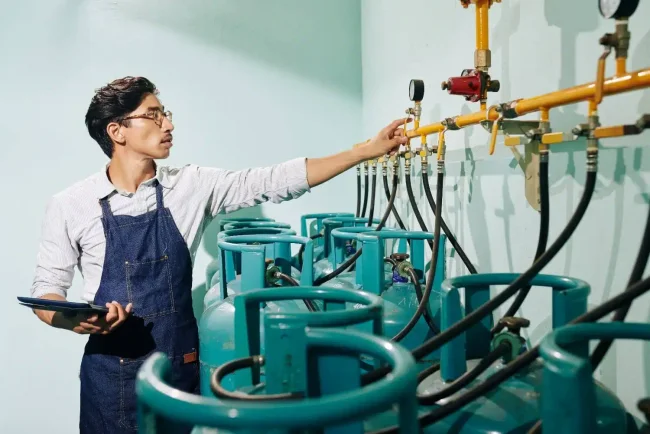
Gas line repairs require specialized expertise, technical knowledge, and significant resources. However, many costly repairs can be avoided through regular inspections and preventive maintenance. Ensuring the reliability and safety of natural gas systems is essential not only for the efficient operation of gas-powered equipment but also for protecting people, property, and the environment.
Without regular maintenance, minor issues can quickly develop into serious problems, leading to gas leaks, service interruptions, fires, or even explosions.
The benefits of early detection include:
Typical maintenance procedures include:
Regular maintenance provides several advantages:
Routine maintenance helps prevent:
Methane, the primary component of natural gas, is a powerful greenhouse gas that contributes to climate change when released into the atmosphere.
Regular maintenance helps:
Regular maintenance of natural gas systems is essential for safe, reliable, and efficient operation. Preventive inspections help detect problems early, reduce the risk of accidents, extend equipment lifespan, and lower operating costs.
Investing in professional maintenance protects people, property, and the environment while ensuring the long-term performance and reliability of natural gas systems. Preventive maintenance remains the most effective way to avoid costly failures and unexpected disruptions.
The Importance of Regular Maintenance
Natural gas systems play a vital role in residential, commercial, and industrial facilities by supplying fuel to stoves, water heaters, heating systems, and other gas-powered equipment. Over time, however, gas pipelines may deteriorate due to corrosion, mechanical wear, ground movement, or external damage.Without regular maintenance, minor issues can quickly develop into serious problems, leading to gas leaks, service interruptions, fires, or even explosions.
Early Detection of Problems
Routine inspections allow professionals to identify corrosion, leaks, mechanical damage, and other potential risks before they become major failures.The benefits of early detection include:
- Identifying potential issues before they become critical.
- Repairing minor defects before they escalate.
- Preventing expensive emergency repairs.
- Improving the reliability of the gas system.
Safety and Regulatory Compliance
Safety should always be the highest priority when operating natural gas systems. Regular maintenance helps identify potential hazards while ensuring compliance with applicable industry standards and safety regulations.Typical maintenance procedures include:
- Pressure testing of gas pipelines.
- Gas leak detection.
- Corrosion protection measures.
- Inspection of connections and gas equipment.
Extending System Lifespan
Like any infrastructure, natural gas systems last longer when they are properly maintained.Regular maintenance provides several advantages:
- Extends the service life of equipment.
- Ensures uninterrupted system operation.
- Improves energy efficiency.
- Reduces operating and maintenance costs.
Long-Term Cost Savings
Although preventive maintenance requires an initial investment, it significantly reduces future expenses.Routine maintenance helps prevent:
- Costly emergency repairs.
- Unexpected service interruptions.
- Property damage.
- Operational downtime.
- Complete replacement of gas systems.
Environmental Protection
Gas leaks are not only a safety concern but also an environmental issue.Methane, the primary component of natural gas, is a powerful greenhouse gas that contributes to climate change when released into the atmosphere.
Regular maintenance helps:
- Detect gas leaks early.
- Reduce methane emissions.
- Minimize gas losses.
- Support environmental sustainability.
Investing in professional maintenance protects people, property, and the environment while ensuring the long-term performance and reliability of natural gas systems. Preventive maintenance remains the most effective way to avoid costly failures and unexpected disruptions.
Partners