Innovations
Gas leaks: Dangers, detection methods and prevention measures
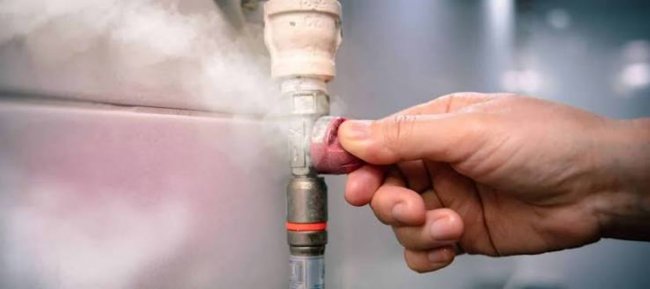
Gas leaks pose serious risks in residential, commercial, and industrial environments. They can lead to fire hazards, explosions, property damage, and serious health problems. Understanding the warning signs of gas leaks, their main causes, and prevention methods is essential for ensuring safety.
This article explains the dangers of gas leaks, how to detect them, what actions should be taken in case of an emergency, and how modern safety solutions can help prevent accidents.
When the concentration of gas in the air reaches a dangerous level, a gas-air mixture can explode. The explosion can create powerful shock waves, intense heat, and flames, causing serious injuries and significant property damage.
A gas explosion can also ignite surrounding materials, resulting in large-scale fires.
Another major danger is carbon monoxide (CO) poisoning. Carbon monoxide is a colorless and odorless gas produced by incomplete combustion of natural gas. It prevents the blood from carrying enough oxygen throughout the body and can cause serious health problems.
Long-term exposure to small amounts of gas leaks may lead to:
Methane becomes dangerous when its concentration in the air reaches a specific explosive range. If the concentration is too low or too high, ignition is less likely, but within the explosive range even a small spark can cause an explosion.
This gives the gas a distinctive smell similar to rotten eggs.
If you notice this unusual smell inside your home or workplace, it may indicate a gas leak.
These sounds are usually easier to detect in quiet environments.
If the meter continues moving despite no gas usage, there may be a hidden leak somewhere in the system.
Apply the solution to suspected areas such as:
However, professional gas detection equipment should be used for accurate measurements.
Common risk factors include:
Never attempt to repair a gas leak yourself.
Replace old, cracked, or damaged hoses immediately.
Stainless steel flexible gas hoses are often preferred because they provide better durability and resistance to aging.
Unauthorized changes can create serious safety risks.
Using certified, high-quality equipment improves reliability and reduces accident risks.
Gas leaks can create serious safety hazards, but proper installation, regular maintenance, and the use of modern safety equipment can significantly reduce these risks.
Safety valves, gas detectors, reliable filtration systems, and professional engineering services are essential components of modern gas infrastructure. A properly designed and maintained gas system ensures safe, efficient, and reliable gas supply for residential and industrial facilities.
This article explains the dangers of gas leaks, how to detect them, what actions should be taken in case of an emergency, and how modern safety solutions can help prevent accidents.
Hazards of Gas Leaks
1. Risk of Fire and Explosion
Leaked natural gas can easily ignite when it comes into contact with an open flame, electrical spark, or another ignition source.When the concentration of gas in the air reaches a dangerous level, a gas-air mixture can explode. The explosion can create powerful shock waves, intense heat, and flames, causing serious injuries and significant property damage.
A gas explosion can also ignite surrounding materials, resulting in large-scale fires.
2. Risk of Suffocation and Gas Poisoning
Large amounts of gas leaking into an enclosed area can reduce oxygen levels and create a risk of suffocation.Another major danger is carbon monoxide (CO) poisoning. Carbon monoxide is a colorless and odorless gas produced by incomplete combustion of natural gas. It prevents the blood from carrying enough oxygen throughout the body and can cause serious health problems.
Long-term exposure to small amounts of gas leaks may lead to:
- dizziness;
- headaches;
- fatigue;
- breathing difficulties.
Main Conditions That Can Cause Gas Explosions
Under normal conditions, natural gas systems are safe when properly installed and maintained. However, explosions can occur when three main factors combine:1. Gas Leakage from Pipes or Equipment
Gas leaks may occur due to:- damaged pipelines;
- loose pipe connections;
- faulty valves;
- damaged flexible hoses;
- improper use of gas appliances.
2. Gas Concentration Reaching Explosive Levels
The main component of natural gas is methane.Methane becomes dangerous when its concentration in the air reaches a specific explosive range. If the concentration is too low or too high, ignition is less likely, but within the explosive range even a small spark can cause an explosion.
3. Presence of an Ignition Source
When leaked gas reaches a dangerous concentration, any ignition source can cause an explosion, including:- open flames;
- electrical sparks;
- household appliances;
- static electricity.
How to Detect a Gas Leak
1. Detecting Gas by Smell
Natural gas itself has no smell. For safety reasons, a chemical odorant called mercaptan is added to natural gas.This gives the gas a distinctive smell similar to rotten eggs.
If you notice this unusual smell inside your home or workplace, it may indicate a gas leak.
2. Listening for Hissing Sounds
A hissing, whistling, or air-release sound near gas pipes, valves, or appliances can indicate a leak.These sounds are usually easier to detect in quiet environments.
3. Checking the Gas Meter
Turn off all gas appliances and observe the gas meter.If the meter continues moving despite no gas usage, there may be a hidden leak somewhere in the system.
4. Using Soapy Water
A mixture of soap and water can help identify gas leaks.Apply the solution to suspected areas such as:
- pipe connections;
- valves;
- hose joints.
However, professional gas detection equipment should be used for accurate measurements.
Main Causes of Gas Leaks
One of the most common causes of household gas leaks is damaged flexible gas hoses that connect appliances to gas pipelines.Common risk factors include:
- aging hoses;
- cracks or mechanical damage;
- incorrect installation;
- excessive hose length;
- exposure to heat or flames;
- damage caused by rodents.
- corroded pipelines;
- loose connections;
- faulty valves;
- damaged gas appliances;
- improper maintenance;
- unauthorized modifications of gas systems.
What to Do in Case of a Gas Leak
If you suspect a gas leak, immediate action is required.1. Close the Main Gas Valve
Turn off the main gas supply valve to stop further gas leakage.2. Ventilate the Area
Open windows and doors to allow fresh air circulation and reduce gas concentration.3. Evacuate the Area
Move all people away from the dangerous area and go to an open space.4. Avoid Electrical Devices
Do not:- switch lights on or off;
- use mobile phones inside the affected area;
- operate electrical appliances.
5. Contact Emergency Services
Once you are in a safe location, contact professional gas emergency services.Never attempt to repair a gas leak yourself.
How to Prevent Gas Leaks
1. Regularly Inspect Gas Hoses
Gas pipes and flexible connections should be checked regularly.Replace old, cracked, or damaged hoses immediately.
Stainless steel flexible gas hoses are often preferred because they provide better durability and resistance to aging.
2. Install Gas Leak Detectors
Modern gas detectors provide continuous monitoring and can detect:- methane leaks;
- carbon monoxide;
- dangerous gas concentrations.
3. Ensure Proper Ventilation
Rooms where gas appliances are installed should have:- ventilation systems;
- exhaust fans;
- proper air circulation.
4. Use Gas Appliances Correctly
Always:- monitor gas appliances during operation;
- close gas valves after use;
- avoid situations that may extinguish the flame.
5. Avoid Unauthorized Gas System Modifications
Gas pipelines, valves, and equipment should only be installed or modified by qualified professionals.Unauthorized changes can create serious safety risks.
6. Replace Old Gas Equipment
Gas appliances that have exceeded their recommended service life may become unsafe.Using certified, high-quality equipment improves reliability and reduces accident risks.
Gas leaks can create serious safety hazards, but proper installation, regular maintenance, and the use of modern safety equipment can significantly reduce these risks.
Safety valves, gas detectors, reliable filtration systems, and professional engineering services are essential components of modern gas infrastructure. A properly designed and maintained gas system ensures safe, efficient, and reliable gas supply for residential and industrial facilities.
Partners