Innovations
The Role of Natural Gas Regulators in Safe and Efficient Gas Supply
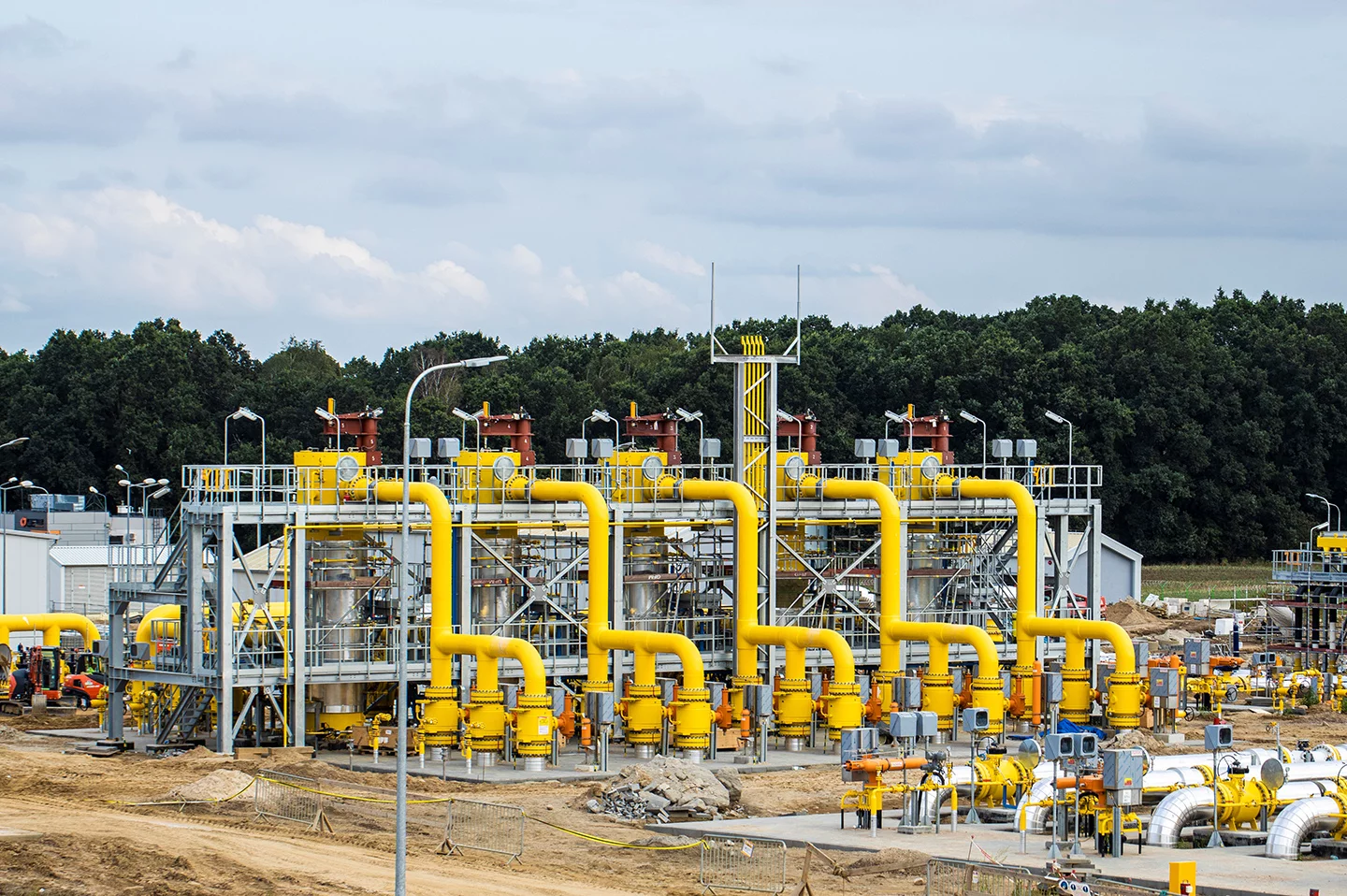
Natural gas is one of the important energy sources used in our daily lives and in various industrial sectors. However, pipelines alone are not sufficient to deliver gas safely and consistently from the source to the consumer. Proper regulation of gas pressure is also one of the most important stages of a gas supply system.
Gas regulators and gas regulating stations play an important role in this process. Their main function is to maintain gas pressure at the required level, ensure stable gas flow, and provide safe operating conditions for gas equipment.
GRSs provide a safe transition between different pressure levels in gas transmission and distribution systems. Proper design and installation of these stations are particularly important for supplying gas to industrial facilities, residential areas, and various consumer sites.
The operating principle can be explained simply as follows:
Proper pressure regulation:
These mainly include:
The main factors to consider include:
Gas consumption: The station must be capable of supplying the required gas volume.
Inlet and outlet pressure: The ability of the GRS to regulate gas to the required pressure level must be considered.
Purpose of gas use: Gas requirements may differ between residential, commercial, and industrial facilities.
Operating conditions: Ambient temperature, installation conditions, and other technical factors can affect equipment selection.
Safety requirements: Protective mechanisms that ensure safe operation during emergencies and pressure fluctuations must be taken into account.
During maintenance, the condition of the equipment, pressure readings, operation of regulating and safety devices, condition of connections, and other technical parameters can be checked.
Timely maintenance helps identify potential faults in advance and contributes to uninterrupted system operation.
A properly selected, professionally designed, and correctly installed GRS is one of the key factors that can improve the reliability of a gas supply system.
Gas regulators and gas regulating stations play an important role in this process. Their main function is to maintain gas pressure at the required level, ensure stable gas flow, and provide safe operating conditions for gas equipment.
What Is a Gas Regulating Station?
A Gas Regulating Station (GRS) is a complex of technical equipment designed to reduce the inlet gas pressure and adjust it to the outlet pressure required for consumption.GRSs provide a safe transition between different pressure levels in gas transmission and distribution systems. Proper design and installation of these stations are particularly important for supplying gas to industrial facilities, residential areas, and various consumer sites.
How Do Gas Regulators Work?
The main function of a gas regulator is to reduce the higher gas pressure at the inlet to the required pressure level at the outlet and keep this pressure as stable as possible.The operating principle can be explained simply as follows:
- Gas enters the regulator at high pressure;
- The regulating mechanism controls the gas pressure;
- The diaphragm and valve mechanism adjusts the gas flow according to pressure changes;
- A stable and safe pressure suitable for the consumer's requirements is maintained at the outlet.
Why Is Proper Gas Pressure Regulation Important?
Gas pressure that is too high or too low can cause various problems in gas systems. Therefore, gas regulation systems are important both for safety and for the efficient operation of equipment.Proper pressure regulation:
- provides safe operation of gas equipment;
- improves the stability of gas supply;
- prevents equipment from being exposed to excessive pressure;
- helps manage gas consumption more efficiently;
- minimizes pressure fluctuations in the system;
- increases the overall reliability of the gas supply system.
Main Components of Gas Regulating Stations
The design of GRSs may vary depending on their purpose and technical specifications. However, different components are used to perform various gas regulation and safety functions.These mainly include:
- gas regulators;
- safety valves;
- shut-off valves and fittings;
- filtration systems;
- measurement and control devices;
- pressure gauges;
- gas flow measurement devices.
What Factors Should Be Considered When Selecting a GRS?
The selection of a Gas Regulating Station should not be based only on the size of the gas pipeline. The technical characteristics of the facility and its gas demand should be evaluated in detail during the design process.The main factors to consider include:
Gas consumption: The station must be capable of supplying the required gas volume.
Inlet and outlet pressure: The ability of the GRS to regulate gas to the required pressure level must be considered.
Purpose of gas use: Gas requirements may differ between residential, commercial, and industrial facilities.
Operating conditions: Ambient temperature, installation conditions, and other technical factors can affect equipment selection.
Safety requirements: Protective mechanisms that ensure safe operation during emergencies and pressure fluctuations must be taken into account.
Importance of Maintenance for Gas Regulating Stations
The reliable operation of gas regulating stations depends not only on proper design and installation. Regular technical inspection and maintenance of the equipment are also important.During maintenance, the condition of the equipment, pressure readings, operation of regulating and safety devices, condition of connections, and other technical parameters can be checked.
Timely maintenance helps identify potential faults in advance and contributes to uninterrupted system operation.
Safe Gas Supply Starts with Proper Regulation
Gas regulating stations are an important part of gas supply systems. They help reduce high-pressure gas to a pressure level suitable for consumption, maintain stable gas flow, and support the safe operation of the system.A properly selected, professionally designed, and correctly installed GRS is one of the key factors that can improve the reliability of a gas supply system.
Partners