Innovations
Gas Pipeline Installation: 11 Steps and Key Requirements
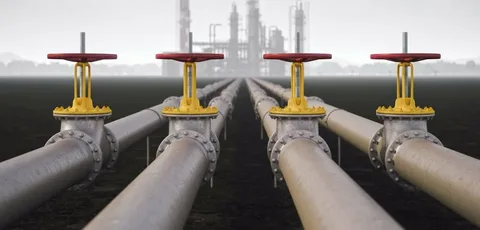
Installing a gas pipeline is a technically demanding process that requires professional planning, appropriate materials, qualified installation, and strict attention to safety requirements.
Because natural gas is flammable, even a small leak can create a serious safety hazard. For this reason, gas pipeline design, installation, testing, and commissioning should be carried out by qualified professionals in accordance with applicable local regulations and technical requirements.
This guide explains the 11 main stages of gas pipeline installation, common pipe materials, installation methods, safety requirements, potential risks, and when a gas pipeline may need to be replaced.
Gas pipelines can be installed underground or above ground and can supply residential buildings, apartment complexes, offices, commercial properties, industrial facilities, and other buildings.
For new residential and non-residential buildings, the design should take into account the building's purpose, expected gas consumption, number of gas appliances, pipe diameter, and the location of existing utility systems.
Existing electrical, water, sewerage, communication, and other utility networks must be considered. Pipe diameter, expected gas consumption, appliance locations, and other technical parameters should also be determined during the design stage.
The site should be clearly marked, restricted areas should be controlled, and appropriate warning signs should be installed where necessary.
Workers should use suitable personal protective equipment.
The trench width and depth should comply with the project requirements and applicable technical standards. Existing underground utilities must be identified and protected before excavation.
Rust and contamination should be removed where necessary, and suitable anti-corrosion protection may be applied depending on the pipe material and installation conditions.
Approved methods may include welding, electrofusion, and other suitable connection techniques. All joints must meet the required safety and leak-tightness standards.
The pipeline must be properly aligned and protected from excessive bending, impact, and mechanical damage during installation.
A protective layer of sand or another appropriate material may be placed around the pipe to protect it from stones and sharp objects. The remaining trench is then backfilled in stages.
Depending on the project, gas meters, pressure regulators, fittings, and other components may also be installed.
Any purging procedure must be carried out using an appropriate method and in accordance with the applicable safety requirements.
These tests are used to verify the strength of the pipes and connections and to confirm that the pipeline is leak-tight.
This method can significantly reduce the amount of open excavation and may be particularly useful when roads or other surfaces need to remain largely undisturbed.
It can be suitable for locations where conventional trench excavation is difficult or undesirable.
Common materials may include:
Valves control the flow of gas, while pressure regulators help maintain the required operating pressure.
In residential and non-residential buildings, gas pipelines can supply boilers, water heaters, kitchen appliances, heating systems, and other gas-powered equipment.
For this reason, gas pipeline design, installation, testing, and commissioning should be carried out by qualified professionals who meet the applicable local licensing, certification, and authorization requirements.
For non-residential properties such as restaurants, shops, offices, commercial buildings, and industrial facilities, gas demand must be calculated according to the specific use of the building.
Proper installation, corrosion protection, regular inspections, and appropriate maintenance can help extend the safe operating life of a gas pipeline.
Warning signs can include:
The main factors affecting the price include:
Professional design, suitable materials, qualified installation, and thorough safety testing are the foundation of a reliable gas supply system.
For new residential and non-residential buildings, the gas pipeline design should take into account the building's purpose, expected gas consumption, applicable regulations, technical conditions, and the requirements of the local gas network operator.
Because natural gas is flammable, even a small leak can create a serious safety hazard. For this reason, gas pipeline design, installation, testing, and commissioning should be carried out by qualified professionals in accordance with applicable local regulations and technical requirements.
This guide explains the 11 main stages of gas pipeline installation, common pipe materials, installation methods, safety requirements, potential risks, and when a gas pipeline may need to be replaced.
1. What Is a Gas Pipeline?
A gas pipeline is a system of pipes, valves, regulators, and related equipment used to transport natural gas safely from the supply source to the end user.Gas pipelines can be installed underground or above ground and can supply residential buildings, apartment complexes, offices, commercial properties, industrial facilities, and other buildings.
2. How Is a Gas Pipeline Installed?
Installing a new gas pipeline involves much more than simply laying pipes. The process normally includes planning, route selection, material selection, site preparation, pipe installation, equipment installation, testing, and commissioning.For new residential and non-residential buildings, the design should take into account the building's purpose, expected gas consumption, number of gas appliances, pipe diameter, and the location of existing utility systems.
3. The 11 Main Steps of Gas Pipeline Installation
1. Pipeline Design and Route Planning
The first stage is to determine the gas pipeline route.Existing electrical, water, sewerage, communication, and other utility networks must be considered. Pipe diameter, expected gas consumption, appliance locations, and other technical parameters should also be determined during the design stage.
2. Obtaining Required Approvals
Before installation begins, the project should comply with the applicable technical conditions, approvals, permits, and requirements of the relevant authorities and gas network operator.3. Preparing the Work Area
The installation area must be prepared and made safe before work begins.The site should be clearly marked, restricted areas should be controlled, and appropriate warning signs should be installed where necessary.
Workers should use suitable personal protective equipment.
4. Pipeline Excavation
For an underground gas pipeline, a trench is excavated along the approved route.The trench width and depth should comply with the project requirements and applicable technical standards. Existing underground utilities must be identified and protected before excavation.
5. Pipe Preparation and Corrosion Protection
When metal pipes are used, their condition should be inspected before installation.Rust and contamination should be removed where necessary, and suitable anti-corrosion protection may be applied depending on the pipe material and installation conditions.
6. Pipe Joining
The appropriate joining method depends on the pipe material and project requirements.Approved methods may include welding, electrofusion, and other suitable connection techniques. All joints must meet the required safety and leak-tightness standards.
7. Pipe Installation
The prepared pipes are positioned along the planned route.The pipeline must be properly aligned and protected from excessive bending, impact, and mechanical damage during installation.
8. Backfilling
Once the pipeline has been correctly positioned, the trench is backfilled with suitable material.A protective layer of sand or another appropriate material may be placed around the pipe to protect it from stones and sharp objects. The remaining trench is then backfilled in stages.
9. Installing Valves and Other Equipment
Shut-off valves are installed to control the gas flow and allow the system to be isolated when necessary.Depending on the project, gas meters, pressure regulators, fittings, and other components may also be installed.
10. Pipeline Cleaning and Purging
Before commissioning, the inside of the pipeline should be prepared and cleared of dust, dirt, and foreign materials.Any purging procedure must be carried out using an appropriate method and in accordance with the applicable safety requirements.
11. Strength and Leak-Tightness Testing
Before the gas pipeline is put into service, the system must undergo the required tests.These tests are used to verify the strength of the pipes and connections and to confirm that the pipeline is leak-tight.
4. Gas Pipeline Installation Methods
The appropriate installation method depends on the project, ground conditions, existing infrastructure, pipeline route, and environmental constraints.Open-Cut Trenching
This is one of the most traditional installation methods. A trench is excavated along the pipeline route and the pipe is installed inside it.Horizontal Directional Drilling — HDD
HDD uses specialized drilling equipment to create an underground path through which the gas pipe can be installed.This method can significantly reduce the amount of open excavation and may be particularly useful when roads or other surfaces need to remain largely undisturbed.
Microtunneling
Microtunneling can be used in urban areas and locations where numerous existing underground utilities make conventional excavation difficult.Pipe Ramming
Pipe ramming uses specialized pneumatic equipment to drive a pipe through the ground.It can be suitable for locations where conventional trench excavation is difficult or undesirable.
Pipe Bursting
Pipe bursting is primarily used for replacing existing pipelines. The existing pipe is fractured or displaced while a new pipe is installed along the same route, reducing the need for extensive excavation.5. Types of Gas Pipes
The appropriate pipe material depends on the application, installation environment, technical requirements, and applicable regulations.Common materials may include:
- steel pipes;
- copper pipes;
- polyethylene (PE) pipes;
- other approved gas piping systems.
6. Key Gas Pipeline Installation Requirements
A safe gas installation should include:- the correct pipe diameter;
- approved pipes, fittings, valves, and other components;
- proper pipe support and protection;
- appropriate separation from other utility systems;
- correctly installed valves and pressure regulators;
- required leak-tightness and other safety tests;
- installation by appropriately qualified and authorized professionals.
7. How Does a Gas Pipeline Work?
A gas pipeline transports gas from the supply source to the consumer.Valves control the flow of gas, while pressure regulators help maintain the required operating pressure.
In residential and non-residential buildings, gas pipelines can supply boilers, water heaters, kitchen appliances, heating systems, and other gas-powered equipment.
8. Who Installs Gas Lines?
Gas pipeline installation requires specialist knowledge, training, and experience.For this reason, gas pipeline design, installation, testing, and commissioning should be carried out by qualified professionals who meet the applicable local licensing, certification, and authorization requirements.
9. Gas Pipeline Installation in Residential Buildings
When designing a gas pipeline for a new residential building, engineers consider the number of apartments, gas appliances, expected gas consumption, building layout, and other utility systems.For non-residential properties such as restaurants, shops, offices, commercial buildings, and industrial facilities, gas demand must be calculated according to the specific use of the building.
10. Gas Pipeline Service Life
The service life of a gas pipeline depends on the pipe material, installation quality, operating conditions, environmental exposure, and maintenance.Proper installation, corrosion protection, regular inspections, and appropriate maintenance can help extend the safe operating life of a gas pipeline.
11. Gas Pipeline Installation Risks and Control Measures
| Risk | Control Measure |
|---|---|
| Gas leakage | Test joints and the complete system for leak-tightness |
| Fire or explosion | Follow safety procedures and control ignition sources |
| Damage to underground utilities | Identify existing utilities before excavation |
| Pipe corrosion | Apply suitable corrosion protection |
| Trench collapse | Follow excavation and trench safety requirements |
| Worker injuries | Use appropriate personal protective equipment |
12. When Should Gas Lines Be Replaced?
A gas pipeline should be inspected if there are signs of corrosion, mechanical damage, deterioration, or leakage.Warning signs can include:
- the smell of gas;
- hissing or whistling sounds;
- visible pipe corrosion;
- unstable operation of gas appliances;
- unusual changes in gas pressure.
13. How Much Does Gas Pipeline Installation Cost?
The cost of a gas pipeline varies from project to project.The main factors affecting the price include:
- pipeline length;
- pipe material and diameter;
- installation method;
- volume of excavation work;
- location of the property;
- labor costs;
- design and approval requirements;
- additional equipment and safety measures.
Conclusion
Installing a new gas pipeline involves several important stages, from design and material selection to installation, equipment setup, testing, and commissioning.Professional design, suitable materials, qualified installation, and thorough safety testing are the foundation of a reliable gas supply system.
For new residential and non-residential buildings, the gas pipeline design should take into account the building's purpose, expected gas consumption, applicable regulations, technical conditions, and the requirements of the local gas network operator.
Partners