Innovations
Innovation in the natural gas industry: Answers to the most frequently asked questions
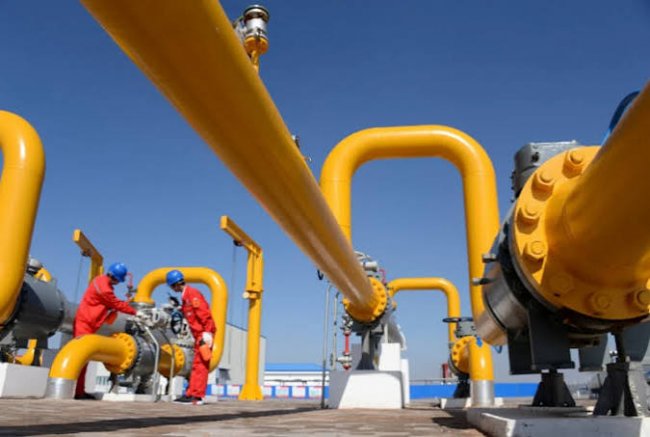
In the United States, natural gas utilities are investing in innovative solutions to provide households and businesses across the country with affordable, reliable, and safe energy. From modernizing pipeline infrastructure to integrating renewable natural gas and hydrogen, the industry is focused on meeting growing energy demand while supporting efforts to reduce emissions.
At a time when artificial intelligence, advanced manufacturing technologies, and economic growth are increasing energy demand, innovation in the natural gas industry is becoming more important than ever. Below are answers to some of the most frequently asked questions about how natural gas utilities are using innovative technologies to serve customers and communities.
What Does Innovation in the Natural Gas Industry Include?
Innovation in the natural gas industry includes the adoption of new technologies, infrastructure modernization, advanced safety systems, emissions reduction measures, and the expansion of new energy sources such as renewable natural gas (RNG) and hydrogen.
Natural gas utilities are modernizing underground gas distribution systems, using advanced gas leak detection technologies, improving operational efficiency through data analytics, and integrating cleaner energy solutions into existing infrastructure.
Innovation also includes investments in workforce training, cybersecurity, and system resilience. These measures help maintain reliable energy supplies even during extreme weather conditions.
All of these efforts are designed to meet growing energy demand in an affordable, reliable, and safe manner while preparing for future energy needs.
How Are Natural Gas Utilities Improving Safety?
Safety is a top priority for natural gas utilities, and innovation plays an important role in improving system safety.
Natural gas utilities invest significant amounts annually in pipeline modernization programs, advanced materials, automated monitoring systems, and advanced gas leak detection technologies.
Many companies are already using modern solutions such as aerial monitoring, satellite-based methane detection technologies, robotics, and predictive analytics to identify potential problems more quickly and address them efficiently.
These investments improve the reliability and resilience of gas distribution systems while also supporting continued emissions reductions.
How Do New Technologies Help Develop Natural Gas Infrastructure?
One of the main areas of focus is modernizing existing infrastructure to reduce methane emissions. Since 1990, emissions from natural gas distribution systems have declined significantly due to pipeline upgrades, technological advancements, and improved operational practices.
Natural gas utilities are also integrating lower-carbon energy sources into existing systems. These include:
Renewable natural gas (RNG) produced from sources such as landfills, agricultural facilities, and wastewater treatment plants;
Hydrogen blending projects and infrastructure designed to accommodate hydrogen;
Energy efficiency programs that help consumers reduce energy consumption and save money;
Advanced technologies that improve operational efficiency and emissions monitoring.
These innovative solutions make it possible to use existing infrastructure more efficiently while supporting long-term emissions reduction goals.
What Is Renewable Natural Gas (RNG)?
Renewable natural gas (RNG) is a type of fuel produced from organic materials such as agricultural waste, food waste, wastewater, and landfill gas. It can be transported through existing natural gas pipelines.
RNG captures methane that could otherwise be released into the atmosphere and converts it into usable energy.
Because RNG can be transported through existing natural gas infrastructure, it provides additional opportunities to reduce emissions while making use of the current energy delivery network.
Natural gas utilities across the country are working with agricultural businesses, municipalities, and private organizations to expand RNG development and integrate it into existing systems.
What Role Could Hydrogen Play in the Energy System of the Future?
Hydrogen is being explored as an innovative energy source that could complement existing natural gas systems.
Many natural gas utilities are studying the possibility of blending hydrogen with natural gas through existing infrastructure, as well as developing dedicated systems for hydrogen transportation in the future.
Hydrogen has potential applications in industrial manufacturing, transportation, and other energy-intensive sectors.
Why Is Innovation Becoming More Important as Energy Demand Grows?
In the United States, population growth, industrial expansion, and the development of emerging technologies such as artificial intelligence are contributing to increasing energy demand.
Natural gas utilities are investing in innovation to meet this growing demand through reliable energy infrastructure that can operate during periods of peak consumption and remain resilient during extreme weather conditions.
Reliable energy systems are particularly important for key sectors such as:
Healthcare;
Manufacturing;
Agriculture;
Pharmaceuticals;
Hospitality and the hotel industry;
Advanced technology and data centers.
Natural gas provides these industries with a reliable source of fuel for heating, manufacturing processes, and maintaining uninterrupted operations.
How Are Natural Gas Utilities Using Technology and Data to Improve Operations?
Natural gas utilities are increasingly using a variety of innovative technologies to improve operational efficiency and enhance customer service.
These technologies include:
Artificial intelligence and predictive analytics for system monitoring;
Remote sensing and satellite technologies for emissions detection;
Smart tools for more effective maintenance planning;
Geographic Information Systems (GIS) for infrastructure management;
Advanced metering and customer service technologies.
These technologies help utilities identify potential problems in advance, improve operational efficiency, strengthen system reliability and safety, and ultimately make energy services more accessible and affordable.
Key Takeaways on Innovation in the Natural Gas Industry
Natural gas utilities continue to modernize infrastructure and implement innovative solutions to meet the growing energy needs of the United States.
Through investments in infrastructure upgrades, advanced technologies, emissions reduction initiatives, and emerging energy solutions such as RNG and hydrogen, the industry aims to provide reliable and affordable energy while supporting a lower-emissions future.
Innovation in the natural gas industry is not limited to a single technology or initiative. It represents a comprehensive approach focused on improving safety, strengthening system reliability, increasing operational efficiency, and preparing energy infrastructure for future growth in energy demand.
At a time when artificial intelligence, advanced manufacturing technologies, and economic growth are increasing energy demand, innovation in the natural gas industry is becoming more important than ever. Below are answers to some of the most frequently asked questions about how natural gas utilities are using innovative technologies to serve customers and communities.
What Does Innovation in the Natural Gas Industry Include?
Innovation in the natural gas industry includes the adoption of new technologies, infrastructure modernization, advanced safety systems, emissions reduction measures, and the expansion of new energy sources such as renewable natural gas (RNG) and hydrogen.
Natural gas utilities are modernizing underground gas distribution systems, using advanced gas leak detection technologies, improving operational efficiency through data analytics, and integrating cleaner energy solutions into existing infrastructure.
Innovation also includes investments in workforce training, cybersecurity, and system resilience. These measures help maintain reliable energy supplies even during extreme weather conditions.
All of these efforts are designed to meet growing energy demand in an affordable, reliable, and safe manner while preparing for future energy needs.
How Are Natural Gas Utilities Improving Safety?
Safety is a top priority for natural gas utilities, and innovation plays an important role in improving system safety.
Natural gas utilities invest significant amounts annually in pipeline modernization programs, advanced materials, automated monitoring systems, and advanced gas leak detection technologies.
Many companies are already using modern solutions such as aerial monitoring, satellite-based methane detection technologies, robotics, and predictive analytics to identify potential problems more quickly and address them efficiently.
These investments improve the reliability and resilience of gas distribution systems while also supporting continued emissions reductions.
How Do New Technologies Help Develop Natural Gas Infrastructure?
One of the main areas of focus is modernizing existing infrastructure to reduce methane emissions. Since 1990, emissions from natural gas distribution systems have declined significantly due to pipeline upgrades, technological advancements, and improved operational practices.
Natural gas utilities are also integrating lower-carbon energy sources into existing systems. These include:
Renewable natural gas (RNG) produced from sources such as landfills, agricultural facilities, and wastewater treatment plants;
Hydrogen blending projects and infrastructure designed to accommodate hydrogen;
Energy efficiency programs that help consumers reduce energy consumption and save money;
Advanced technologies that improve operational efficiency and emissions monitoring.
These innovative solutions make it possible to use existing infrastructure more efficiently while supporting long-term emissions reduction goals.
What Is Renewable Natural Gas (RNG)?
Renewable natural gas (RNG) is a type of fuel produced from organic materials such as agricultural waste, food waste, wastewater, and landfill gas. It can be transported through existing natural gas pipelines.
RNG captures methane that could otherwise be released into the atmosphere and converts it into usable energy.
Because RNG can be transported through existing natural gas infrastructure, it provides additional opportunities to reduce emissions while making use of the current energy delivery network.
Natural gas utilities across the country are working with agricultural businesses, municipalities, and private organizations to expand RNG development and integrate it into existing systems.
What Role Could Hydrogen Play in the Energy System of the Future?
Hydrogen is being explored as an innovative energy source that could complement existing natural gas systems.
Many natural gas utilities are studying the possibility of blending hydrogen with natural gas through existing infrastructure, as well as developing dedicated systems for hydrogen transportation in the future.
Hydrogen has potential applications in industrial manufacturing, transportation, and other energy-intensive sectors.
Why Is Innovation Becoming More Important as Energy Demand Grows?
In the United States, population growth, industrial expansion, and the development of emerging technologies such as artificial intelligence are contributing to increasing energy demand.
Natural gas utilities are investing in innovation to meet this growing demand through reliable energy infrastructure that can operate during periods of peak consumption and remain resilient during extreme weather conditions.
Reliable energy systems are particularly important for key sectors such as:
Healthcare;
Manufacturing;
Agriculture;
Pharmaceuticals;
Hospitality and the hotel industry;
Advanced technology and data centers.
Natural gas provides these industries with a reliable source of fuel for heating, manufacturing processes, and maintaining uninterrupted operations.
How Are Natural Gas Utilities Using Technology and Data to Improve Operations?
Natural gas utilities are increasingly using a variety of innovative technologies to improve operational efficiency and enhance customer service.
These technologies include:
Artificial intelligence and predictive analytics for system monitoring;
Remote sensing and satellite technologies for emissions detection;
Smart tools for more effective maintenance planning;
Geographic Information Systems (GIS) for infrastructure management;
Advanced metering and customer service technologies.
These technologies help utilities identify potential problems in advance, improve operational efficiency, strengthen system reliability and safety, and ultimately make energy services more accessible and affordable.
Key Takeaways on Innovation in the Natural Gas Industry
Natural gas utilities continue to modernize infrastructure and implement innovative solutions to meet the growing energy needs of the United States.
Through investments in infrastructure upgrades, advanced technologies, emissions reduction initiatives, and emerging energy solutions such as RNG and hydrogen, the industry aims to provide reliable and affordable energy while supporting a lower-emissions future.
Innovation in the natural gas industry is not limited to a single technology or initiative. It represents a comprehensive approach focused on improving safety, strengthening system reliability, increasing operational efficiency, and preparing energy infrastructure for future growth in energy demand.
Partners