Innovations
Troubleshooting common issues with gas supply systems
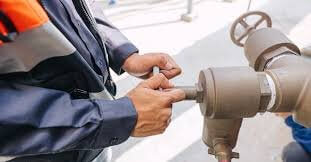
Many industrial businesses rely on complex gas supply systems to provide the fuel needed for various manufacturing and operational processes. However, like any complex system, gas supply systems can experience problems that disrupt operations and compromise safety. If you regularly work with gas supply systems, understanding how to identify and address these common issues is essential.
Common causes of low pressure include blockages in pipelines, incorrectly sized pipes, or malfunctioning gas regulators.
To identify the problem, first inspect the pipeline for blockages or damage. Then, check whether the pipe size and condition are suitable for the system's requirements. Finally, inspect the gas regulators for signs of wear, damage, or incorrect settings.
Regular maintenance and timely inspections can help prevent gas pressure-related problems.
To detect a gas leak, first visually inspect all pipes and connections. Appropriate gas detection equipment should then be used to identify the exact location of the leak.
Once a leak is detected, faulty components should be repaired or replaced immediately. To reduce the risk of future leaks, it is important to establish a regular inspection schedule and strictly follow gas safety procedures.
To troubleshoot the problem, first inspect the equipment for visible signs of damage, wear, or misalignment. Make sure that all components have been installed correctly and that the equipment is operating within the manufacturer's specified parameters.
Regular maintenance and proper employee training can help prevent equipment failures and ensure reliable system operation.
Common sources of contamination include moisture, dust, dirt, and oil.
To prevent contamination, high-quality filters should be installed at key points in the system and replaced regularly. Components should also be inspected periodically for signs of corrosion and cleaned when necessary.
Using gas dryers and maintaining strict cleanliness standards during installation and maintenance can significantly reduce the risk of contamination.
To identify the cause, first verify that the gas supplier is providing the required quantity and quality of gas. Next, check whether gas storage tanks have sufficient capacity and are in good technical condition.
Pipelines should also be inspected for restrictions, blockages, or damage that could limit gas flow.
Working with a reliable gas supplier and regularly monitoring storage tanks and pipeline conditions can help ensure a stable and uninterrupted gas supply.
Low Gas Pressure
One of the most common problems in gas supply systems is low gas pressure. This can significantly affect the performance of equipment that depends on a stable gas flow.Common causes of low pressure include blockages in pipelines, incorrectly sized pipes, or malfunctioning gas regulators.
To identify the problem, first inspect the pipeline for blockages or damage. Then, check whether the pipe size and condition are suitable for the system's requirements. Finally, inspect the gas regulators for signs of wear, damage, or incorrect settings.
Regular maintenance and timely inspections can help prevent gas pressure-related problems.
Gas Leaks
Gas leaks can create serious safety risks, including fire, explosion, and exposure to toxic gases. Leaks can occur due to faulty connections, damaged pipelines, or deteriorated seals.To detect a gas leak, first visually inspect all pipes and connections. Appropriate gas detection equipment should then be used to identify the exact location of the leak.
Once a leak is detected, faulty components should be repaired or replaced immediately. To reduce the risk of future leaks, it is important to establish a regular inspection schedule and strictly follow gas safety procedures.
Equipment Malfunction
Equipment failure is another common problem that can interrupt the operation of a gas supply system. It may be caused by component wear, improper installation, or a lack of regular maintenance.To troubleshoot the problem, first inspect the equipment for visible signs of damage, wear, or misalignment. Make sure that all components have been installed correctly and that the equipment is operating within the manufacturer's specified parameters.
Regular maintenance and proper employee training can help prevent equipment failures and ensure reliable system operation.
Gas Contamination
Contamination within a gas supply system can cause filters to become clogged, components to corrode, and gas quality to deteriorate.Common sources of contamination include moisture, dust, dirt, and oil.
To prevent contamination, high-quality filters should be installed at key points in the system and replaced regularly. Components should also be inspected periodically for signs of corrosion and cleaned when necessary.
Using gas dryers and maintaining strict cleanliness standards during installation and maintenance can significantly reduce the risk of contamination.
Inadequate Gas Supply
An insufficient gas supply can result from problems with the gas supplier, inadequate storage capacity, or restrictions within the pipeline system.To identify the cause, first verify that the gas supplier is providing the required quantity and quality of gas. Next, check whether gas storage tanks have sufficient capacity and are in good technical condition.
Pipelines should also be inspected for restrictions, blockages, or damage that could limit gas flow.
Working with a reliable gas supplier and regularly monitoring storage tanks and pipeline conditions can help ensure a stable and uninterrupted gas supply.
Partners