Innovations
Why early leak detection matters
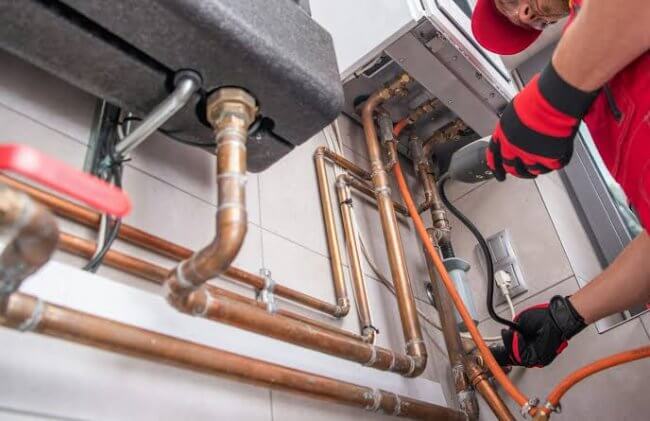
Pipeline integrity is more important than ever in 2024. With the growing demand for oil and gas, ensuring that pipelines operate safely and efficiently is critical. Early leak detection plays a vital role in maintaining pipeline integrity. It helps prevent environmental disasters and reduces financial losses.
When leaks are detected early, operators can respond quickly, minimizing damage and operational disruptions. This not only protects the environment but also saves money by preventing costly repairs and downtime. Fast response times are essential for avoiding serious incidents that could result from undetected leaks. Advanced technologies such as Computational Pipeline Monitoring (CPM) systems and Real-Time Transient Model (RTTM) techniques make early leak detection more effective than ever.
Understanding the importance of early leak detection and the technologies that support it enables safer and more efficient pipeline management. This contributes to a more sustainable future for both the industry and the environment.
When a leak is detected quickly, immediate action can be taken, reducing the risk of serious damage to pipeline infrastructure. This is particularly important in 2024, as pipelines are facing increased scrutiny regarding safety and environmental impact.
Environmental protection is another critical reason for early leak detection. Leaks can release hazardous substances into the environment, potentially causing significant ecological damage. Immediate detection allows operators to contain the leak quickly and minimize its environmental impact.
There are also significant financial consequences associated with pipeline leaks. They can result in expensive repairs, regulatory fines, and operational downtime. Early detection and rapid response can help prevent these costs and ensure more stable and profitable operations.
CPM systems use advanced algorithms to continuously analyze pipeline data and identify irregularities that may indicate a leak. These systems monitor parameters such as pressure and flow rate and compare them with expected operating conditions.
By identifying anomalies in real time, CPM systems enable operators to detect leaks more quickly and take appropriate action. This improves overall pipeline safety and operational efficiency.
The Real-Time Transient Model (RTTM) is another important method used within CPM systems for leak detection. RTTM technology takes into account both steady-state and transient conditions within pipelines. This makes it highly effective for identifying leaks under changing operating conditions.
Advanced monitoring software can further improve the accuracy of these technologies while providing operators with valuable predictive information. This makes it possible to identify potential problems before they develop into serious leaks.
With these technologies, the pipeline industry is better equipped to address leak detection challenges. They provide accurate, real-time information that helps operators maintain pipeline integrity and safety more efficiently.
Modern technologies provide effective solutions to these challenges. Advanced leak detection systems such as RTTM can identify abnormal conditions and anomalies before they develop into major problems.
These systems provide continuous monitoring and real-time alerts, allowing operators to respond promptly to identified risks. In real-world applications, such technologies have demonstrated their effectiveness in preventing leaks and maintaining pipeline operational efficiency.
Innovations such as machine learning and artificial intelligence (AI) could further enhance the ability of CPM systems to predict and identify potential leaks.
Improved leak detection methods will also increase pipeline safety and efficiency. As these technologies evolve, they will provide more effective tools for protecting pipelines and reducing environmental damage.
Enhanced detection technologies will play an important role in shaping the future of pipeline management, making systems safer, more efficient, and more environmentally sustainable.
Advanced systems such as Real-Time Transient Model (RTTM) technology provide accurate, real-time monitoring that enhances pipeline safety. These technologies allow operators to respond quickly to detected anomalies and address potential problems before they develop into serious failures.
When leaks are detected early, operators can respond quickly, minimizing damage and operational disruptions. This not only protects the environment but also saves money by preventing costly repairs and downtime. Fast response times are essential for avoiding serious incidents that could result from undetected leaks. Advanced technologies such as Computational Pipeline Monitoring (CPM) systems and Real-Time Transient Model (RTTM) techniques make early leak detection more effective than ever.
Understanding the importance of early leak detection and the technologies that support it enables safer and more efficient pipeline management. This contributes to a more sustainable future for both the industry and the environment.
The Importance of Early Leak Detection in 2024
Early leak detection is crucial for maintaining the integrity of oil and gas pipelines. Identifying leaks at an early stage can prevent minor problems from developing into major failures.When a leak is detected quickly, immediate action can be taken, reducing the risk of serious damage to pipeline infrastructure. This is particularly important in 2024, as pipelines are facing increased scrutiny regarding safety and environmental impact.
Environmental protection is another critical reason for early leak detection. Leaks can release hazardous substances into the environment, potentially causing significant ecological damage. Immediate detection allows operators to contain the leak quickly and minimize its environmental impact.
There are also significant financial consequences associated with pipeline leaks. They can result in expensive repairs, regulatory fines, and operational downtime. Early detection and rapid response can help prevent these costs and ensure more stable and profitable operations.
Key Technologies Driving Early Leak Detection
One of the key technologies used for early leak detection is Computational Pipeline Monitoring (CPM).CPM systems use advanced algorithms to continuously analyze pipeline data and identify irregularities that may indicate a leak. These systems monitor parameters such as pressure and flow rate and compare them with expected operating conditions.
By identifying anomalies in real time, CPM systems enable operators to detect leaks more quickly and take appropriate action. This improves overall pipeline safety and operational efficiency.
The Real-Time Transient Model (RTTM) is another important method used within CPM systems for leak detection. RTTM technology takes into account both steady-state and transient conditions within pipelines. This makes it highly effective for identifying leaks under changing operating conditions.
Advanced monitoring software can further improve the accuracy of these technologies while providing operators with valuable predictive information. This makes it possible to identify potential problems before they develop into serious leaks.
With these technologies, the pipeline industry is better equipped to address leak detection challenges. They provide accurate, real-time information that helps operators maintain pipeline integrity and safety more efficiently.
Challenges and Solutions in Pipeline Leak Detection
Problems such as corrosion and pressure fluctuations can make maintaining pipeline integrity more difficult. Corrosion weakens pipeline walls and makes them more vulnerable to leaks, while pressure changes can lead to unexpected failures.Modern technologies provide effective solutions to these challenges. Advanced leak detection systems such as RTTM can identify abnormal conditions and anomalies before they develop into major problems.
These systems provide continuous monitoring and real-time alerts, allowing operators to respond promptly to identified risks. In real-world applications, such technologies have demonstrated their effectiveness in preventing leaks and maintaining pipeline operational efficiency.
Future Trends in Leak Detection
Leak detection technologies are expected to continue advancing in the future. New developments will primarily focus on improving the accuracy and speed of detection systems.Innovations such as machine learning and artificial intelligence (AI) could further enhance the ability of CPM systems to predict and identify potential leaks.
Improved leak detection methods will also increase pipeline safety and efficiency. As these technologies evolve, they will provide more effective tools for protecting pipelines and reducing environmental damage.
Enhanced detection technologies will play an important role in shaping the future of pipeline management, making systems safer, more efficient, and more environmentally sustainable.
Conclusion
In 2024, the importance of advanced leak detection technologies in protecting pipelines cannot be overstated. Early detection of potential leaks helps maintain pipeline operational integrity, minimize environmental impact, and prevent significant costs associated with repairs and downtime.Advanced systems such as Real-Time Transient Model (RTTM) technology provide accurate, real-time monitoring that enhances pipeline safety. These technologies allow operators to respond quickly to detected anomalies and address potential problems before they develop into serious failures.
Partners