Innovations
What is industrial automation and why is it important?
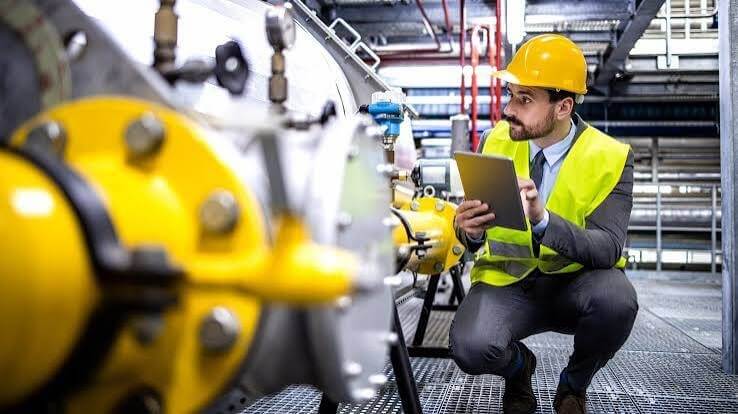
The implementation of industrial automation systems enables a wide range of manufacturing processes to be automated through technologies such as industrial robots, machine vision systems, advanced sensors, and computer-based control solutions. Assembly, material handling, quality control, and packaging are just some of the processes where automation plays an important role.
In this article, we will explore what industrial automation is and why it has become an essential part of modern manufacturing and industrial operations.
Computer-based control systems, sensors, and other technical solutions used to operate and control machinery and equipment are considered key components of industrial automation. There are several main types of industrial automation:
In this article, we will explore what industrial automation is and why it has become an essential part of modern manufacturing and industrial operations.
What Is Industrial Automation?
Industrial automation refers to the use of modern technologies to control and automatically perform specific manufacturing and industrial processes. In general, automation technologies help improve operational efficiency, reduce costs, and enhance product quality. As a result, automation has become an important component of modern industrial manufacturing. It can also contribute to workplace safety by reducing human involvement in potentially hazardous processes and minimizing the risk of workplace injuries.Computer-based control systems, sensors, and other technical solutions used to operate and control machinery and equipment are considered key components of industrial automation. There are several main types of industrial automation:
- Robotic Automation: Robotic automation involves using robots to perform a variety of operations that would otherwise require human labor. Robots can be programmed to handle a wide range of tasks, from simple assembly operations to complex manufacturing processes. Robotic automation is widely used in the automotive, electronics, and pharmaceutical industries.
- Fixed Automation: Also known as hard automation, fixed automation uses specialized equipment designed to perform a specific task or sequence of operations. Such equipment is typically developed for a particular product, meaning that modifications or reconfiguration can be costly. Fixed automation is commonly used in high-volume production of automobiles, appliances, and electronic products.
- Programmable Automation: Also known as soft automation, programmable automation uses computer-controlled machines and equipment to perform different operations. These systems can be reprogrammed according to production requirements, making them more flexible. Programmable automation is particularly suitable for small- and medium-volume production environments where manufacturing processes change frequently.
- Flexible Automation: Flexible automation combines characteristics of both fixed and programmable automation. These systems use specialized equipment that can be quickly reprogrammed to perform different tasks. Flexible automation is suitable for production lines that manufacture multiple products or require frequent changes in production processes.
- Integrated Automation: Integrated automation is a comprehensive approach in which different automation technologies are combined into a unified system to optimize production processes. Such systems may include machines, sensors, control systems, and software that work together to monitor and manage production operations. Integrated automation is used in industries where high levels of precision and reliability are required, including aerospace and medical equipment manufacturing.
- Artificial Intelligence (AI)-Based Automation: AI-based automation uses advanced algorithms and machine learning technologies to optimize industrial and manufacturing processes. It can help identify inefficiencies, predict maintenance requirements, analyze operational data, and improve overall performance. AI-based automation continues to evolve and has significant potential to further transform manufacturing and industrial operations.
Partners