Innovations
Essential safety tips for gas pipeline installation you should never ignore
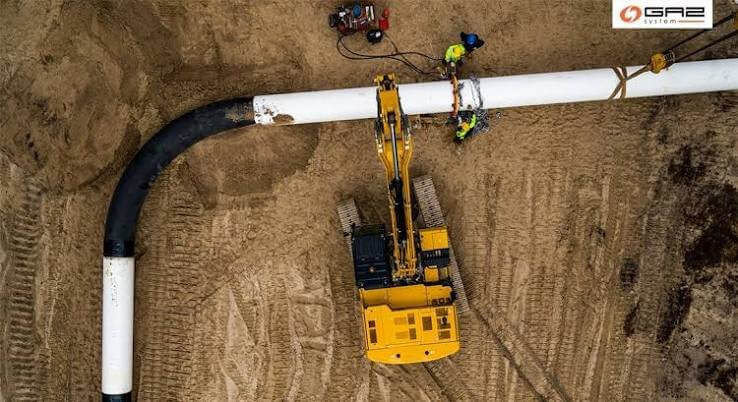
Gas pipeline installation is not a task that should ever be taken lightly. Whether it is being installed for a residential property, commercial facility, or large industrial project, even a small mistake can result in serious consequences such as gas leaks, fires, or explosions. For this reason, understanding and following proper safety procedures is essential when working with gas pipelines.
This article covers the key requirements for safe gas pipeline installation, including pre-installation precautions, personal protective equipment, risk assessment, emergency preparedness, and post-installation inspections.
Gas pipelines are often installed out of sight, including inside walls, underground, or in other protected areas. They are designed to transport gas safely and efficiently from the supply point to the location where it is used.
Every stage of installation should be carefully inspected and carried out according to applicable technical and safety requirements. Failure to do so can result in gas leaks, fires, explosions, and other dangerous incidents that may threaten workers, nearby individuals, and property.
Failure to comply with applicable safety and regulatory requirements can also create legal and financial risks. Therefore, following established safety procedures is an essential part of every gas pipeline installation project.
By following established safety procedures and using a systematic gas pipeline safety checklist, businesses and installation teams can help ensure that gas pipeline projects are completed safely, reliably, and efficiently.
This article covers the key requirements for safe gas pipeline installation, including pre-installation precautions, personal protective equipment, risk assessment, emergency preparedness, and post-installation inspections.
What Is a Gas Pipeline?
A gas pipeline is a system of pipes used to safely transport gas from one location to another. Simply put, it is a transportation network that delivers gas to kitchen appliances, heating systems, vehicles, or various industrial equipment.Gas pipelines are often installed out of sight, including inside walls, underground, or in other protected areas. They are designed to transport gas safely and efficiently from the supply point to the location where it is used.
Importance of Safe Gas Pipeline Installation Practices
Gas pipelines provide a continuous and controlled method of transporting gas compared with methods involving portable containers or cylinders. However, safety must remain a priority throughout the installation process.Every stage of installation should be carefully inspected and carried out according to applicable technical and safety requirements. Failure to do so can result in gas leaks, fires, explosions, and other dangerous incidents that may threaten workers, nearby individuals, and property.
Failure to comply with applicable safety and regulatory requirements can also create legal and financial risks. Therefore, following established safety procedures is an essential part of every gas pipeline installation project.
Pre-Installation Safety Measures
1. Conduct a Thorough Site Assessment
Before starting installation, the entire work area should be carefully inspected. Existing underground gas lines, utility networks, electrical cables, and soil conditions should be identified. A detailed site assessment helps identify potential hazards and reduces the risk of unexpected accidents.2. Understand Local Regulations and Technical Requirements
Gas pipeline installation must be carried out in accordance with applicable technical standards and safety regulations. Before beginning the project, all relevant requirements should be reviewed and followed throughout the installation process.3. Ensure Proper Training and Professional Qualification
Gas pipeline installation should only be performed by personnel with appropriate technical training and professional qualifications. Experienced technicians are better prepared to identify potential hazards, apply correct installation methods, and respond appropriately to technical problems.4. Use Personal Protective Equipment (PPE)
Appropriate personal protective equipment is essential for protecting workers during gas pipeline installation. PPE helps reduce the risk of injuries and exposure to various workplace hazards.Types of PPE Required for Gas Pipeline Installation
- Safety Helmets: Protect the head from falling objects and other impacts.
- Safety Glasses: Protect the eyes from dust, gas, and particles.
- Protective Gloves: Help protect the hands from cuts, burns, and certain chemical hazards.
- Safety Boots: Protect the feet from heavy pipes, tools, and other workplace hazards.
- Fire-Resistant Clothing: Helps protect the body from heat and flames in the event of a fire.
How to Install a Gas Pipeline Safely
Follow Standard Operating Procedures (SOPs)
Installation work should always be performed according to established Standard Operating Procedures. Following approved procedures helps ensure that each stage of the installation is completed correctly and safely.Handle Materials and Equipment Safely
Gas pipes, tools, and other equipment should be handled carefully throughout the installation process. Proper material handling and the safe use of equipment are essential for reducing the risk of damage and gas leaks.Maintain Clear Communication Among Team Members
Clear communication is essential during gas pipeline installation. Team members should keep each other informed about work progress, potential hazards, and changes in site conditions. Effective communication can help prevent accidents and improve overall workplace safety.Gas Pipeline Installation Dos and Don'ts
Do's
- Check all gas connections carefully and make sure every connection is properly secured.
- Use the correct installation and safety tools designed for gas pipeline work.
- Test all gas connections for leaks after installation and before putting the system into operation.
Don'ts
- Do not skip safety inspections during any stage of the installation.
- Do not rush the installation process, as improper installation can create serious safety risks.
- Do not install gas pipelines without appropriate PPE. Required protective equipment should be selected according to the type of facility and working conditions.
Hazard Identification and Risk Assessment
Common Hazards in Gas Pipeline Installation
Potential hazards should be identified before and during installation. Unstable soil, underground utilities, electrical lines, and other site conditions may create significant risks if they are not properly assessed.Perform Regular Risk Assessments
Risk assessments should be conducted regularly throughout the project. This helps identify gas leaks, equipment issues, structural concerns, and other potential problems before they develop into more serious hazards.Implement Appropriate Control Measures
When a hazard is identified, appropriate corrective measures should be taken as soon as possible. Warning signs, safety barriers, restricted access areas, and temporary protective measures may be used when necessary until a permanent solution is implemented.Emergency Preparedness
Develop an Emergency Response Plan
Every gas pipeline installation team should have a clear emergency response plan. In the event of an incident, the plan should include procedures for safely shutting off the gas supply, evacuating the affected area, and contacting the appropriate emergency services.Conduct Safety Drills and Training
Workers should understand how to respond during an emergency. Regular safety training and practical emergency drills can help employees react more effectively and reduce confusion during an actual incident.Maintain Effective Communication During Emergencies
Every second can be important during a gas-related emergency. Team members should immediately communicate relevant information and follow the established emergency response procedures without unnecessary delay.Monitoring and Maintenance After Installation
Conduct Regular Inspections and Monitoring
Gas pipelines should be inspected regularly after installation. Sensors, monitoring systems, and other technical equipment can help detect potential leaks, weak points, or other issues at an early stage.Address Potential Problems Before They Escalate
Any signs of damage, leakage, or abnormal operation should be investigated and addressed promptly. Early intervention can help prevent minor issues from developing into more serious and potentially dangerous problems.Conclusion
Safety is a critical part of every gas pipeline installation project. From selecting suitable materials and equipment to ensuring professional training, assessing risks, and preparing for emergencies, every stage should be performed according to appropriate safety principles.By following established safety procedures and using a systematic gas pipeline safety checklist, businesses and installation teams can help ensure that gas pipeline projects are completed safely, reliably, and efficiently.
Partners