Innovations
What is the importance of a gas control system in industrial applications?
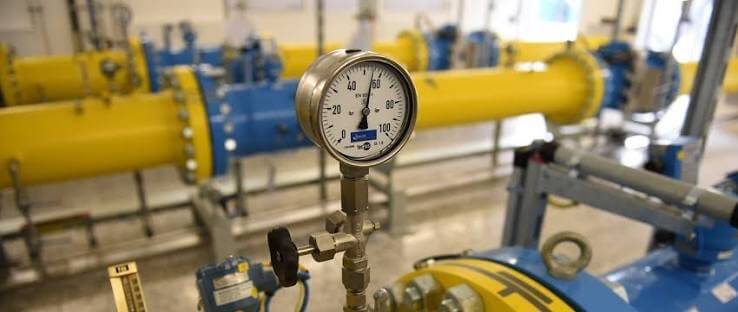
In the dynamic landscape of industrial applications, the importance of a gas control system cannot be overstated. These systems play a crucial role in various industrial processes by ensuring efficiency, safety, and precision. This article explores the multifaceted importance of gas control systems in industrial environments, their applications across different industries, and their key benefits.
For example, in chemical manufacturing facilities, gas control systems are used to manage the flow of reactive gases during production. By accurately controlling gas flow rates and pressure levels, these systems help prevent excessive pressure conditions that could result in equipment failure or dangerous chemical reactions. In addition, gas control systems can incorporate safety components such as pressure relief valves and gas detectors. These components can automatically shut off the gas supply when a leak or abnormal pressure condition is detected, helping protect workers and the surrounding environment.
In the energy sector, gas control systems are essential for the safe operation of natural gas pipelines and storage facilities. These systems monitor gas pressure and flow, helping ensure that natural gas is transported and stored within safe operating conditions. They also contribute to the prevention of gas leaks, which can create serious safety risks and environmental pollution. Through real-time monitoring and control, gas control systems allow operators to identify potential safety issues and respond to them before they become more serious.
In manufacturing processes such as welding and heat treatment, gas control systems are used to supply the required amount of shielding gas to protect welds and heat-treated materials from oxidation and contamination. Maintaining a consistent flow of shielding gas improves the quality of welding and heat treatment, reduces the need for rework, and increases productivity.
In the food and beverage industry, gas control systems are used to manage the atmosphere in packaging and storage facilities. By adjusting the composition of gases such as oxygen, nitrogen, and carbon dioxide, these systems can help extend the shelf life of food products and preserve their quality. For example, during the packaging of fresh fruits and vegetables, gas control systems can create a modified atmosphere that slows the ripening process and reduces the growth of bacteria and mold. This helps extend product shelf life and reduce waste.
In the semiconductor industry, gas control systems are essential for the production of high-quality semiconductor devices. These systems supply precise quantities of process gases such as silane, ammonia, and nitrogen during manufacturing. By controlling gas flow rates and pressure, they help maintain consistency and repeatability throughout the semiconductor production process, contributing to improved production performance and device quality.
In the pharmaceutical industry, gas control systems are used to manage atmospheric conditions in cleanrooms and manufacturing facilities. Maintaining precise levels of humidity, temperature, and air quality helps ensure the quality and safety of pharmaceutical products. For example, during the production of injectable medicines, gas control systems can regulate the flow of sterile gases such as nitrogen and oxygen, helping prevent contamination and maintain product integrity.
In the automotive industry, gas control systems are used in engine testing and development. These systems provide precise amounts of fuel and air to engines, allowing engineers to simulate different operating conditions. By controlling gas flow rates and pressure, engineers can accurately measure engine power, fuel efficiency, and emissions. This supports the development of more efficient and environmentally friendly engines.
In the aerospace industry, gas control systems are used in the testing and operation of aircraft engines and propulsion systems. These systems provide precise quantities of fuel, oxidizer, and other gases to the engine, supporting safe and efficient operation. By controlling gas flow rates and pressure, engineers can simulate different flight conditions and optimize engine performance, contributing to improved aircraft safety and reliability.
In the renewable energy sector, gas control systems are used in biogas and hydrogen production. These systems regulate the flow and composition of gases during production, helping support efficient and sustainable renewable energy generation. For example, during biogas production from organic waste, gas control systems can regulate the flow of methane and other gases to optimize energy output and reduce the environmental impact of waste disposal.
In the chemical industry, gas control systems can be used to help reduce emissions and waste. By precisely controlling gas flow and composition, these systems can help minimize the release of harmful pollutants into the environment. For example, during chemical production, gas control systems can support the capture and reuse of waste gases, reducing waste and minimizing the environmental impact of manufacturing processes.
In the manufacturing industry, gas control systems are used to improve energy efficiency and reduce energy consumption. By optimizing gas usage and reducing heating and cooling requirements, these systems can help businesses save energy and lower operating costs. For example, in glass manufacturing, gas control systems are used to regulate the temperature and atmosphere inside furnaces. This can reduce the energy required to melt glass and improve the overall efficiency of the production process.
By providing accurate control over gas flow, pressure, and composition, these systems help industries optimize their processes, improve productivity, reduce operational risks, and manage energy consumption more effectively. Whether used in the chemical, energy, food and beverage, semiconductor, pharmaceutical, automotive, aerospace, or renewable energy sectors, gas control systems provide valuable solutions for a wide range of industrial applications.
Ensuring Safety in Industrial Environments
Safety is a top priority in any industrial operation, and gas control systems play a critical role in maintaining a safe working environment. Many industrial processes involve hazardous gases, including flammable, toxic, or corrosive substances. A properly designed gas control system helps prevent leaks, explosions, and other potential hazards by precisely regulating gas flow, pressure, and composition.For example, in chemical manufacturing facilities, gas control systems are used to manage the flow of reactive gases during production. By accurately controlling gas flow rates and pressure levels, these systems help prevent excessive pressure conditions that could result in equipment failure or dangerous chemical reactions. In addition, gas control systems can incorporate safety components such as pressure relief valves and gas detectors. These components can automatically shut off the gas supply when a leak or abnormal pressure condition is detected, helping protect workers and the surrounding environment.
In the energy sector, gas control systems are essential for the safe operation of natural gas pipelines and storage facilities. These systems monitor gas pressure and flow, helping ensure that natural gas is transported and stored within safe operating conditions. They also contribute to the prevention of gas leaks, which can create serious safety risks and environmental pollution. Through real-time monitoring and control, gas control systems allow operators to identify potential safety issues and respond to them before they become more serious.
Enhancing Process Efficiency
In addition to improving safety, gas control systems play an important role in increasing the efficiency of industrial processes. By precisely controlling gas flow and composition, these systems help optimize equipment performance and reduce energy consumption.In manufacturing processes such as welding and heat treatment, gas control systems are used to supply the required amount of shielding gas to protect welds and heat-treated materials from oxidation and contamination. Maintaining a consistent flow of shielding gas improves the quality of welding and heat treatment, reduces the need for rework, and increases productivity.
In the food and beverage industry, gas control systems are used to manage the atmosphere in packaging and storage facilities. By adjusting the composition of gases such as oxygen, nitrogen, and carbon dioxide, these systems can help extend the shelf life of food products and preserve their quality. For example, during the packaging of fresh fruits and vegetables, gas control systems can create a modified atmosphere that slows the ripening process and reduces the growth of bacteria and mold. This helps extend product shelf life and reduce waste.
In the semiconductor industry, gas control systems are essential for the production of high-quality semiconductor devices. These systems supply precise quantities of process gases such as silane, ammonia, and nitrogen during manufacturing. By controlling gas flow rates and pressure, they help maintain consistency and repeatability throughout the semiconductor production process, contributing to improved production performance and device quality.
Enabling Precise Process Control
Precision is essential in many industrial applications, and gas control systems provide the level of control required to achieve optimal results. By precisely regulating gas flow, pressure, and composition, these systems enable industrial processes to be managed with a high degree of accuracy.In the pharmaceutical industry, gas control systems are used to manage atmospheric conditions in cleanrooms and manufacturing facilities. Maintaining precise levels of humidity, temperature, and air quality helps ensure the quality and safety of pharmaceutical products. For example, during the production of injectable medicines, gas control systems can regulate the flow of sterile gases such as nitrogen and oxygen, helping prevent contamination and maintain product integrity.
In the automotive industry, gas control systems are used in engine testing and development. These systems provide precise amounts of fuel and air to engines, allowing engineers to simulate different operating conditions. By controlling gas flow rates and pressure, engineers can accurately measure engine power, fuel efficiency, and emissions. This supports the development of more efficient and environmentally friendly engines.
In the aerospace industry, gas control systems are used in the testing and operation of aircraft engines and propulsion systems. These systems provide precise quantities of fuel, oxidizer, and other gases to the engine, supporting safe and efficient operation. By controlling gas flow rates and pressure, engineers can simulate different flight conditions and optimize engine performance, contributing to improved aircraft safety and reliability.
Supporting Sustainable Industrial Practices
As industries work to reduce their environmental impact, gas control systems play an important role in supporting more sustainable industrial practices. By optimizing gas consumption and reducing energy use, these systems can help industries reduce their carbon footprint and contribute to more sustainable production.In the renewable energy sector, gas control systems are used in biogas and hydrogen production. These systems regulate the flow and composition of gases during production, helping support efficient and sustainable renewable energy generation. For example, during biogas production from organic waste, gas control systems can regulate the flow of methane and other gases to optimize energy output and reduce the environmental impact of waste disposal.
In the chemical industry, gas control systems can be used to help reduce emissions and waste. By precisely controlling gas flow and composition, these systems can help minimize the release of harmful pollutants into the environment. For example, during chemical production, gas control systems can support the capture and reuse of waste gases, reducing waste and minimizing the environmental impact of manufacturing processes.
In the manufacturing industry, gas control systems are used to improve energy efficiency and reduce energy consumption. By optimizing gas usage and reducing heating and cooling requirements, these systems can help businesses save energy and lower operating costs. For example, in glass manufacturing, gas control systems are used to regulate the temperature and atmosphere inside furnaces. This can reduce the energy required to melt glass and improve the overall efficiency of the production process.
Conclusion
In conclusion, gas control systems are an important component of modern industrial applications. They contribute to workplace safety, process efficiency, precise process control, and sustainable industrial practices.By providing accurate control over gas flow, pressure, and composition, these systems help industries optimize their processes, improve productivity, reduce operational risks, and manage energy consumption more effectively. Whether used in the chemical, energy, food and beverage, semiconductor, pharmaceutical, automotive, aerospace, or renewable energy sectors, gas control systems provide valuable solutions for a wide range of industrial applications.
Partners