Innovations
Understanding the importance of filtration in oil and gas operations
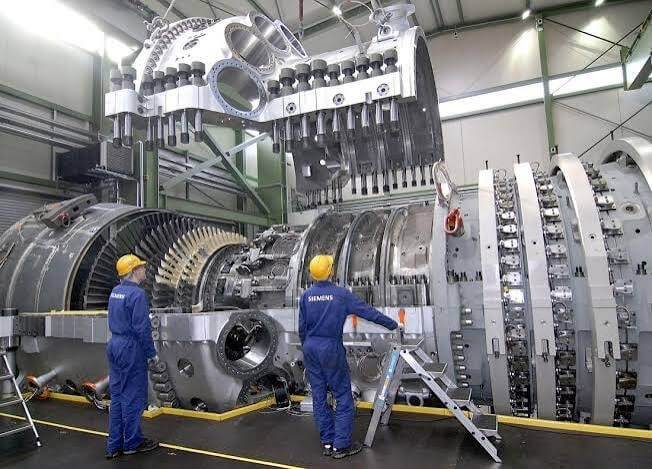
The oil and gas industry plays a vital role in powering economies, fueling transportation, and supporting various sectors worldwide. Behind the scenes of this complex industry, filtration is a critical process that ensures the smooth and efficient operation of oil and gas activities. From protecting valuable equipment to optimizing production efficiency, effective filtration practices are essential for the successful and sustainable operation of oil and gas facilities.
By capturing solid particles, debris, and abrasive substances, filtration helps prevent mechanical wear, corrosion, and damage to critical components. This extends the service life of essential machinery and helps maintain reliable operation.
By removing impurities, filtration reduces the risk of blockages and pressure drops while optimizing the performance of pumps, compressors, valves, and other equipment. Improved operational efficiency can lead to increased productivity, reduced downtime, and lower operating costs.
Filtration plays an important role in achieving and maintaining compliance with these requirements. Effective filtration systems can remove contaminants such as particulates, oil, heavy metals, and chemicals, helping ensure that final products meet quality requirements and applicable environmental standards.
Maintaining the cleanliness of fluids and gases helps reduce the risks of explosions, fires, and health hazards associated with contaminated materials. In addition, filtration can help remove harmful components and reduce workers' exposure to potentially hazardous substances during daily operations.
Filtration contributes to environmental protection by helping minimize the impact of industrial operations. It can reduce water consumption, support the efficient separation of oil and solids for recycling or reprocessing, and contribute to wastewater treatment.
By implementing effective filtration technologies, oil and gas companies can improve resource efficiency, reduce waste, and support more sustainable operations.
Multi-bag filter housings are commonly used in high-flow applications and processes that require continuous filtration. Their design allows multiple filter bags to operate within a single housing, making them suitable for demanding industrial applications.
They can be used for filtering a wide range of fluids, including water, oil, and fuel. Different micron ratings and cartridge materials can be selected depending on the specific application and filtration requirements.
They provide high dirt-holding capacity and are effective at removing particles and sediments. These characteristics make depth filter cartridges suitable for various oil and gas filtration applications.
String wound filter cartridges provide excellent dirt-holding capacity and particle retention. They are commonly used for filtering viscous fluids, process water, and other liquids containing contaminants such as rust, sand, and scale.
They are effective at capturing fine particles and can be used in a wide range of applications, including oil, gas, and water filtration.
They are commonly used for temporary filtration systems, batch processes, and applications requiring high flow rates. Their ease of maintenance and replacement makes them a practical choice for various industrial filtration applications.
They are commonly used as a pre-filtration solution to protect downstream equipment such as pumps, compressors, and valves.
Pipeline strainers are available in different designs, including Y-type and basket-type strainers, allowing them to be selected according to the requirements of the specific pipeline system.
The Role of Filters in the Oil and Gas Industry
Protection of Valuable Equipment
The oil and gas industry relies on a wide range of sophisticated and expensive equipment for exploration, drilling, refining, and transportation. Filtration systems are strategically installed throughout these operations to protect valuable equipment from harmful contaminants.By capturing solid particles, debris, and abrasive substances, filtration helps prevent mechanical wear, corrosion, and damage to critical components. This extends the service life of essential machinery and helps maintain reliable operation.
Operational Efficiency and Performance
Effective filtration contributes significantly to the overall efficiency of oil and gas operations. Clean and properly filtered fluids, such as crude oil and natural gas, allow for smoother and more uninterrupted flow through pipelines and production systems.By removing impurities, filtration reduces the risk of blockages and pressure drops while optimizing the performance of pumps, compressors, valves, and other equipment. Improved operational efficiency can lead to increased productivity, reduced downtime, and lower operating costs.
Compliance with Regulatory Requirements
The oil and gas industry operates under strict environmental and operational regulations that require the removal of harmful substances, control of emissions, and minimization of pollutants.Filtration plays an important role in achieving and maintaining compliance with these requirements. Effective filtration systems can remove contaminants such as particulates, oil, heavy metals, and chemicals, helping ensure that final products meet quality requirements and applicable environmental standards.
Personnel Safety
Worker safety is one of the most important considerations in the oil and gas industry. Filtration systems not only protect equipment but also contribute to a safer working environment.Maintaining the cleanliness of fluids and gases helps reduce the risks of explosions, fires, and health hazards associated with contaminated materials. In addition, filtration can help remove harmful components and reduce workers' exposure to potentially hazardous substances during daily operations.
Sustainability and Environmental Protection
As industries around the world increasingly adopt sustainable practices, the oil and gas sector is also focusing on reducing its environmental impact.Filtration contributes to environmental protection by helping minimize the impact of industrial operations. It can reduce water consumption, support the efficient separation of oil and solids for recycling or reprocessing, and contribute to wastewater treatment.
By implementing effective filtration technologies, oil and gas companies can improve resource efficiency, reduce waste, and support more sustainable operations.
Types of Filters Used in Oil and Gas Operations
Filtration is a key component of oil and gas operations. It helps maintain fluid cleanliness and protect critical equipment. Some of the main types of filters used in the industry include:Multi-Bag Filter Housings
These housings accommodate multiple filter bags and provide high dirt-holding capacity and efficient contaminant removal.Multi-bag filter housings are commonly used in high-flow applications and processes that require continuous filtration. Their design allows multiple filter bags to operate within a single housing, making them suitable for demanding industrial applications.
Multi-Cartridge Filter Housings
Designed to accommodate multiple filter cartridges, these filter housings provide flexibility and customization for different filtration requirements.They can be used for filtering a wide range of fluids, including water, oil, and fuel. Different micron ratings and cartridge materials can be selected depending on the specific application and filtration requirements.
Depth Filter Cartridges
Depth filter cartridges are made with gradient-density filtration media that captures contaminants throughout the depth of the filter.They provide high dirt-holding capacity and are effective at removing particles and sediments. These characteristics make depth filter cartridges suitable for various oil and gas filtration applications.
String Wound Filter Cartridges
These cartridges are manufactured by winding yarn, string, or fiber around a rigid core.String wound filter cartridges provide excellent dirt-holding capacity and particle retention. They are commonly used for filtering viscous fluids, process water, and other liquids containing contaminants such as rust, sand, and scale.
Pleated Filter Cartridges
Pleated filter cartridges have a large filtration surface area, providing high dirt-holding capacity and extended service life.They are effective at capturing fine particles and can be used in a wide range of applications, including oil, gas, and water filtration.
Filter Bags
Filter bags are flexible and efficient solutions for removing contaminants from liquids.They are commonly used for temporary filtration systems, batch processes, and applications requiring high flow rates. Their ease of maintenance and replacement makes them a practical choice for various industrial filtration applications.
Pipeline Strainers
Pipeline strainers are installed directly into pipelines to remove solid particles and debris from fluids.They are commonly used as a pre-filtration solution to protect downstream equipment such as pumps, compressors, and valves.
Pipeline strainers are available in different designs, including Y-type and basket-type strainers, allowing them to be selected according to the requirements of the specific pipeline system.
Partners