Innovations
Gas line efficiency and safety considerations
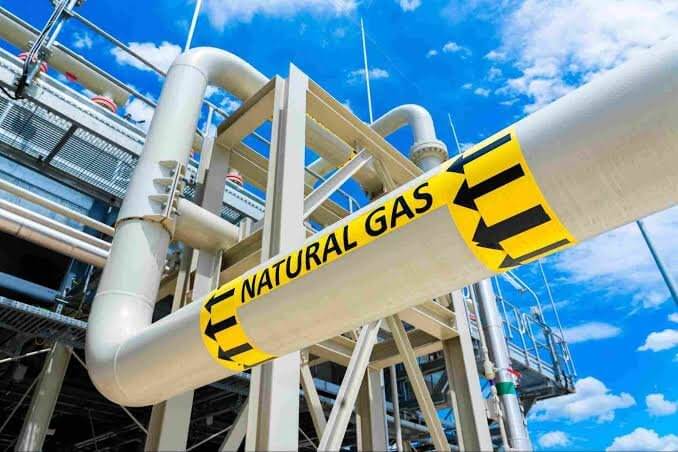
Natural gas has long been an important and reliable source of energy for residential and commercial facilities. However, despite its convenience and efficiency, gas systems require regular inspection, maintenance, and safety monitoring to operate reliably.
Regular visual inspections can help identify potential problems before they develop into more serious safety risks.
Regular pressure testing can help detect hidden problems and ensure that the gas system continues to operate within safe pressure limits.
If a gas appliance shows signs of malfunction, unusual operation, or damage, it should be stopped and inspected by a qualified professional before being used again.
If you notice this smell, leave the area immediately and contact the appropriate emergency service or gas supplier. Avoid operating electrical switches or using anything that could create a spark.
Monitoring gas consumption can therefore help identify potential problems at an early stage.
Professional technical inspections can help identify gas leaks, pressure-related problems, equipment malfunctions, and other potential risks before they become serious issues. This is particularly important for industrial and commercial facilities where gas systems may operate under demanding conditions.
Regular maintenance and professional technical support help improve the efficiency, reliability, and safety of gas infrastructure while extending the service life of gas equipment.
Maintaining Your Gas Lines
Periodic Visual Inspection
Gas lines should be visually inspected regularly to identify potential problems such as physical damage, discoloration, corrosion, or other visible signs of deterioration. Flexible gas connections used for appliances should also be checked to ensure they remain in good condition.Regular visual inspections can help identify potential problems before they develop into more serious safety risks.
Occasional Pressure Testing
Pressure testing is an important part of maintaining the reliability and safety of a gas system. During a pressure test, the system is pressurized and monitored for a specific period to determine whether there is any pressure loss that could indicate a leak.Regular pressure testing can help detect hidden problems and ensure that the gas system continues to operate within safe pressure limits.
Gas Appliance Testing and Maintenance
Gas-powered appliances should be inspected and maintained regularly in accordance with the manufacturer's recommendations. Proper maintenance helps ensure efficient operation and reduces the risk of equipment failure.If a gas appliance shows signs of malfunction, unusual operation, or damage, it should be stopped and inspected by a qualified professional before being used again.
Signs of Gas Line Trouble
Rotten Egg Smell
Natural gas is naturally odorless, so an odorant is added to make leaks easier to detect. A strong smell similar to rotten eggs can be a warning sign of a gas leak.If you notice this smell, leave the area immediately and contact the appropriate emergency service or gas supplier. Avoid operating electrical switches or using anything that could create a spark.
Sudden Landscaping Die-Off
Unexpected or sudden damage to plants, grass, or other vegetation near a gas line may indicate a possible underground gas leak. If an area of vegetation dies without an obvious explanation, the gas line should be inspected by qualified professionals.Hissing or Whistling Sounds
A hissing or whistling sound near a gas pipe, connection, or appliance may indicate escaping gas. Any unusual sound coming from a gas system should be treated seriously and investigated by a qualified technician.Unexplained Gas Bill Increases
A sudden and unexplained increase in gas consumption may indicate that gas is escaping somewhere in the system or that equipment is not operating efficiently.Monitoring gas consumption can therefore help identify potential problems at an early stage.
Professional Approach to Reliable Gas Infrastructure
A reliable gas system depends not only on high-quality equipment but also on proper system design, professional installation, regular inspection, and timely maintenance.Professional technical inspections can help identify gas leaks, pressure-related problems, equipment malfunctions, and other potential risks before they become serious issues. This is particularly important for industrial and commercial facilities where gas systems may operate under demanding conditions.
Regular maintenance and professional technical support help improve the efficiency, reliability, and safety of gas infrastructure while extending the service life of gas equipment.
Partners