Innovations
Safe and Proper installation of gas systems
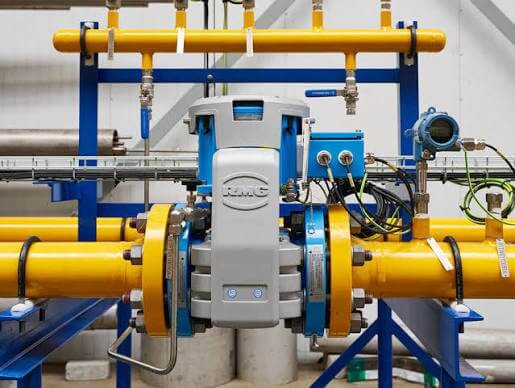
The Importance of Gas Systems in Scientific Laboratories
In the field of scientific research, laboratories are considered centers of innovation. Important discoveries are made here, and new developments are implemented to drive technological progress across various industries. Laboratories are equipped with numerous sophisticated instruments and technologies, many of which depend on the precise and reliable supply of gases.
From the accurate analysis of samples through chromatography to complex processes such as cell culture and material synthesis, gas systems play a vital role in ensuring the accuracy, efficiency, and safety of scientific activities.
The importance of gas systems in laboratories cannot be overstated. These systems provide a supply of various gases, including nitrogen, oxygen, helium, argon, and hydrogen. These gases are essential for numerous scientific and technical applications. The integrity and proper functioning of gas systems are particularly important, as any malfunction or interruption can reduce the reliability of experimental results and create serious safety risks.
The use of gases in laboratories presents several specific safety challenges. Gases may be flammable, toxic, or corrosive. Improper handling and storage can lead to accidents, injuries, and even fatalities. Therefore, it is essential that gas systems are installed, inspected, and maintained in accordance with the highest safety standards.
The installation and validation of gas systems are fundamental stages in ensuring their safe and reliable operation. Proper installation involves the careful selection and positioning of components such as gas cylinders, pressure regulators, manifolds, and pipelines. This helps minimize the risk of leaks, depressurization, and other hazards.
Validation, in turn, involves a comprehensive assessment of the system's performance and its compliance with established safety requirements.
Gas system validation typically includes a series of tests and inspections to confirm that the system meets the required technical specifications and operates within acceptable safety limits. These tests may include leak detection, pressure testing, flow-rate verification, and gas purity analysis. The validation process also involves documenting test results, properly labeling the system, and maintaining it in good technical condition.
The importance of proper gas system installation and validation cannot be overstated. These processes are essential for protecting laboratory personnel, maintaining the reliability of research data, and reducing the risk of accidents. By following established regulations and industry best practices, laboratories can create a safe and reliable environment for scientific research.
This article examines the proper installation and validation of gas systems in detail, providing comprehensive information for laboratory technicians, project managers, procurement managers, and executives working in scientific fields. It reviews the key requirements, best practices, and regulatory guidelines necessary for the safe and efficient operation of gas systems.
The article also explains the importance of regular maintenance and inspection programs in maintaining compliance with safety standards and ensuring the long-term reliability of gas systems. Understanding these principles and procedures helps scientific institutions create a safer and more productive working environment.
The complexity of gas pipelines and distribution systems can vary depending on the size and requirements of the laboratory. However, the primary purpose of all such systems is to deliver gases safely and efficiently to their intended destinations.
The following factors must be considered when designing these systems:
In addition to the physical components, the proper installation and maintenance of gas pipelines are equally important. Correct installation involves routing pipes along appropriate paths, securing and connecting them properly, and ensuring that all fittings and valves are correctly installed and tested.
During routine maintenance, the system is inspected for leaks, corrosion, and other faults. Necessary repairs or component replacements are carried out when required.
Gas pipelines and distribution systems ensure the safe and reliable delivery of gases to laboratory equipment and instruments. This is essential for conducting research and development activities. By applying the fundamental principles of system design, installation, and maintenance, laboratories can establish safe and efficient working environments.
The following sections examine the types of gas pipelines and distribution systems, the materials used, the installation process, and the importance of maintenance and inspection in greater detail. The aim is to provide laboratory personnel with the knowledge and skills needed to ensure the safe and reliable operation of these systems.
Gas systems are indispensable in numerous laboratory applications, including analytical chemistry, life sciences, materials science, and pharmaceutical research. They provide a reliable and controlled supply of gases such as nitrogen, oxygen, hydrogen, helium, and argon. These gases are essential for various analytical instruments, experimental setups, and process control systems.
The proper installation and validation of gas pipelines and distribution systems are essential for ensuring the safety, accuracy, and reliability of laboratory operations. A well-designed and carefully installed gas system provides a consistent supply of high-purity gases while reducing risks associated with leaks, contamination, and pressure fluctuations.
This article explores the key considerations involved in installing, validating, and maintaining gas pipelines and distribution systems. It emphasizes the importance of following industry best practices and applicable regulatory requirements.
These systems are generally designed to transport gases from cylinders or bulk storage tanks to different points of use throughout the laboratory. Properly installed and validated gas systems are important because they directly affect several aspects of laboratory operations.
The design should also allow for potential future expansion and modifications. This makes it possible to adapt the system as research requirements change.
Key considerations during system design include:
Key considerations during installation and commissioning include:
Validation confirms that the system performs as intended and operates within acceptable limits.
The main stages of gas system validation include the following.
The protocol must also establish acceptance criteria for each test. These criteria define the permissible limits for parameters such as pressure, gas flow rate, and purity.
The documentation must be reviewed and approved by qualified professionals to ensure accuracy and completeness. A comprehensive validation report should be prepared to summarize the test results and final conclusions.
The report should also include recommendations for addressing identified deficiencies and improving the system.
In the field of scientific research, laboratories are considered centers of innovation. Important discoveries are made here, and new developments are implemented to drive technological progress across various industries. Laboratories are equipped with numerous sophisticated instruments and technologies, many of which depend on the precise and reliable supply of gases.
From the accurate analysis of samples through chromatography to complex processes such as cell culture and material synthesis, gas systems play a vital role in ensuring the accuracy, efficiency, and safety of scientific activities.
The importance of gas systems in laboratories cannot be overstated. These systems provide a supply of various gases, including nitrogen, oxygen, helium, argon, and hydrogen. These gases are essential for numerous scientific and technical applications. The integrity and proper functioning of gas systems are particularly important, as any malfunction or interruption can reduce the reliability of experimental results and create serious safety risks.
The use of gases in laboratories presents several specific safety challenges. Gases may be flammable, toxic, or corrosive. Improper handling and storage can lead to accidents, injuries, and even fatalities. Therefore, it is essential that gas systems are installed, inspected, and maintained in accordance with the highest safety standards.
The installation and validation of gas systems are fundamental stages in ensuring their safe and reliable operation. Proper installation involves the careful selection and positioning of components such as gas cylinders, pressure regulators, manifolds, and pipelines. This helps minimize the risk of leaks, depressurization, and other hazards.
Validation, in turn, involves a comprehensive assessment of the system's performance and its compliance with established safety requirements.
Gas system validation typically includes a series of tests and inspections to confirm that the system meets the required technical specifications and operates within acceptable safety limits. These tests may include leak detection, pressure testing, flow-rate verification, and gas purity analysis. The validation process also involves documenting test results, properly labeling the system, and maintaining it in good technical condition.
The importance of proper gas system installation and validation cannot be overstated. These processes are essential for protecting laboratory personnel, maintaining the reliability of research data, and reducing the risk of accidents. By following established regulations and industry best practices, laboratories can create a safe and reliable environment for scientific research.
This article examines the proper installation and validation of gas systems in detail, providing comprehensive information for laboratory technicians, project managers, procurement managers, and executives working in scientific fields. It reviews the key requirements, best practices, and regulatory guidelines necessary for the safe and efficient operation of gas systems.
The article also explains the importance of regular maintenance and inspection programs in maintaining compliance with safety standards and ensuring the long-term reliability of gas systems. Understanding these principles and procedures helps scientific institutions create a safer and more productive working environment.
The Importance of Gas Pipelines and Distribution Systems
Gas pipelines and distribution systems form the core infrastructure of laboratories that use gases in their operations. These systems transport gases from their source—typically gas cylinders—to various points of use within the laboratory. Their proper design, installation, and maintenance are essential for ensuring the safe and reliable delivery of gases to laboratory equipment and instruments.The complexity of gas pipelines and distribution systems can vary depending on the size and requirements of the laboratory. However, the primary purpose of all such systems is to deliver gases safely and efficiently to their intended destinations.
The following factors must be considered when designing these systems:
- The types of gases being used;
- The required gas flow rate;
- Operating pressure requirements;
- Potential hazards associated with the gases.
In addition to the physical components, the proper installation and maintenance of gas pipelines are equally important. Correct installation involves routing pipes along appropriate paths, securing and connecting them properly, and ensuring that all fittings and valves are correctly installed and tested.
During routine maintenance, the system is inspected for leaks, corrosion, and other faults. Necessary repairs or component replacements are carried out when required.
Gas pipelines and distribution systems ensure the safe and reliable delivery of gases to laboratory equipment and instruments. This is essential for conducting research and development activities. By applying the fundamental principles of system design, installation, and maintenance, laboratories can establish safe and efficient working environments.
The following sections examine the types of gas pipelines and distribution systems, the materials used, the installation process, and the importance of maintenance and inspection in greater detail. The aim is to provide laboratory personnel with the knowledge and skills needed to ensure the safe and reliable operation of these systems.
The Essential Role of Gas Pipelines and Distribution Systems in Laboratory Operations
In scientific research and development, laboratories are essential environments where important discoveries and technological innovations take place. These specialized facilities rely on the interaction of complex equipment, precise processes, and essential utility systems. Gas pipelines and distribution systems are an important part of this infrastructure.Gas systems are indispensable in numerous laboratory applications, including analytical chemistry, life sciences, materials science, and pharmaceutical research. They provide a reliable and controlled supply of gases such as nitrogen, oxygen, hydrogen, helium, and argon. These gases are essential for various analytical instruments, experimental setups, and process control systems.
The proper installation and validation of gas pipelines and distribution systems are essential for ensuring the safety, accuracy, and reliability of laboratory operations. A well-designed and carefully installed gas system provides a consistent supply of high-purity gases while reducing risks associated with leaks, contamination, and pressure fluctuations.
This article explores the key considerations involved in installing, validating, and maintaining gas pipelines and distribution systems. It emphasizes the importance of following industry best practices and applicable regulatory requirements.
Understanding the Importance of Gas Pipelines and Distribution Systems
Gas pipelines and distribution systems are fundamental to many laboratory operations. They provide a reliable and controlled supply of gases required for various applications.These systems are generally designed to transport gases from cylinders or bulk storage tanks to different points of use throughout the laboratory. Properly installed and validated gas systems are important because they directly affect several aspects of laboratory operations.
- Safety: Gas leaks can create serious hazards, including explosions, fires, and asphyxiation. A properly designed and installed gas system reduces the risk of leaks through the use of high-quality materials, leak-tight connections, and pressure-relief devices. Regular inspections and maintenance help identify and resolve potential problems at an early stage.
- Accuracy and Reliability: Gas purity and flow rate are critical in many laboratory applications. A validated gas system ensures a consistent supply of gases at the required purity levels and specified flow rates. This minimizes variations that could negatively affect experimental results and equipment performance. This is particularly important for sensitive analytical techniques such as gas chromatography and mass spectrometry, where even minor changes in gas composition can affect the accuracy of results.
- Efficiency: A properly designed gas system optimizes flow and reduces pressure losses. This ensures efficient gas delivery to different points of use, reduces gas consumption, and minimizes downtime caused by supply interruptions. As a result, overall laboratory efficiency improves and operating costs can be reduced.
- Regulatory Compliance: Organizations such as OSHA and NFPA establish strict requirements for the installation and operation of laboratory gas systems. Compliance with applicable regulations helps ensure that these requirements are met and reduces the risk of fines or other penalties. Proper documentation of installation, validation, and maintenance activities is essential for demonstrating compliance and ensuring accountability.
Key Considerations for Installing Gas Pipelines and Distribution Systems
Installing gas pipelines and distribution systems is a complex process that requires careful planning, precise execution, and adherence to industry best practices. Several important factors must be considered to ensure system safety, reliability, and regulatory compliance.1. System Design and Planning
The design and planning stage is critical to creating a reliable and efficient gas system. During this stage, the laboratory's specific requirements are assessed in detail, including the types and quantities of gases needed, the locations of gas outlets, and the required flow rates.The design should also allow for potential future expansion and modifications. This makes it possible to adapt the system as research requirements change.
Key considerations during system design include:
- Gas Selection: The type of gas required depends on the applications performed in the laboratory. Commonly used gases include nitrogen, oxygen, hydrogen, helium, argon, and carbon dioxide. Each gas has unique properties and safety requirements, so the selection must match its intended application.
- Gas Purity: Gas purity is highly important for many laboratory applications, particularly when using analytical instruments and conducting sensitive experiments. The design must specify the required purity level for each gas and ensure that the system can meet these requirements.
- Flow Rate: The required gas flow rate can vary significantly depending on the application. During design, the maximum flow rate for each gas outlet must be considered to ensure that the required volume of gas can be delivered without excessive pressure loss.
- Pressure Regulation: Gas cylinders and bulk storage tanks typically operate at high pressures. Pressure regulators must therefore be installed to reduce the pressure to a safe and appropriate level for laboratory applications. Regulators should be selected according to the gas type, pressure range, and required flow rate.
- Piping Materials: Selecting appropriate piping materials is essential for system safety and reliability. Common materials include copper, stainless steel, and polyethylene. The type of gas, pressure, temperature, and environmental conditions must be considered to prevent corrosion and material degradation.
- Fittings and Connections: Fittings and connections must be leak-tight and compatible with the piping materials. The design should specify the types of connections to be used and ensure that they comply with applicable industry standards and safety requirements.
- Gas Detection and Alarm Systems: Gas detection and alarm systems should be incorporated into the design to monitor leaks and provide timely warnings during emergencies. Detectors must be selected according to the types of gases used and the sensitivity required for each application.
- Emergency Shut-Off Valves: Emergency shut-off valves should be installed at strategically selected points in the system to quickly stop gas flow in the event of a leak or other emergency. These valves must be easily accessible and clearly labeled so that they can be identified quickly.
2. Installation and Commissioning
Once the system design is complete, the installation and commissioning phase begins. During this stage, pipes, fittings, pressure regulators, and other components are physically installed. A series of tests and inspections is then performed to verify the system's functionality and safety.Key considerations during installation and commissioning include:
- Installation by Qualified Personnel: Gas pipelines and distribution systems should be installed by qualified and experienced professionals who understand industry best practices and safety regulations. This helps ensure correct installation and compliance with applicable requirements.
- Leak Testing: After installation, the system must undergo comprehensive leak testing to verify the integrity of all connections. Various methods may be used, including soap-solution testing, electronic leak detectors, and pressure-decay measurements. The selected method must be appropriate for the gas type and pressure range.
- Pressure Testing: Pressure tests are conducted to verify the system's ability to withstand its operating pressure. The system is pressurized to a specified level, and any pressure drop or signs of leakage are monitored. These tests are essential for confirming the system's structural integrity and preventing serious failures.
- Flow-Rate Calibration: This process verifies that the system provides the required flow rate at each gas outlet. The flow rate is measured at every outlet, and the relevant regulators or other components are adjusted as necessary to achieve the required values.
- Gas Purity Verification: This stage confirms that the system delivers gases at the required purity levels. Gas samples are collected from different points in the system and analyzed using appropriate analytical methods. Verifying gas purity is essential for ensuring the accuracy and reliability of laboratory experiments.
- Documentation: All installation, testing, and commissioning activities must be thoroughly documented. Records should include the system design, installation procedures, test results, and details of any modifications or repairs. Comprehensive documentation is essential for demonstrating regulatory compliance, monitoring system performance, and facilitating future maintenance and troubleshooting.
Validation of Gas Pipelines and Distribution Systems
Validation is an important stage in ensuring the safety, reliability, and regulatory compliance of gas pipelines and distribution systems. This process involves a comprehensive evaluation of system performance against predefined acceptance criteria and technical specifications.Validation confirms that the system performs as intended and operates within acceptable limits.
The main stages of gas system validation include the following.
1. Developing a Validation Protocol
The first stage of validation involves preparing a comprehensive protocol that defines the required tests and procedures. The protocol must be developed according to the specific requirements of the gas system, taking into account the types of gases used, pressure ranges, flow rates, and intended applications.The protocol must also establish acceptance criteria for each test. These criteria define the permissible limits for parameters such as pressure, gas flow rate, and purity.
2. Performance Testing
Performance testing evaluates the system's ability to deliver gases at the required purity, pressure, and flow rate. This process typically includes several tests:- Pressure Testing: These tests verify that the system can withstand its operating pressure without leaks or failures. The system is pressurized to a specified level, and any pressure drop or signs of leakage are monitored. These tests are essential for maintaining the system's structural integrity and preventing serious malfunctions.
- Flow-Rate Verification: These tests confirm that the system delivers gas to each point of use at the required flow rate. The flow rate is measured at every outlet, and the results are compared with predefined specifications. This ensures that the system meets the requirements of different laboratory applications.
- Gas Purity Verification: This procedure confirms that the system delivers gases at the required purity level. Samples are collected from different points in the system and analyzed using appropriate analytical methods. Gas purity verification is essential for ensuring the accuracy and reliability of laboratory experiments.
3. Documentation and Reporting
All validation activities must be thoroughly documented. This includes the validation protocol, test results, and details of any deviations from the established protocol.The documentation must be reviewed and approved by qualified professionals to ensure accuracy and completeness. A comprehensive validation report should be prepared to summarize the test results and final conclusions.
The report should also include recommendations for addressing identified deficiencies and improving the system.
Partners