Innovations
What Features Should You Look for When Choosing a Gas Pressure Regulator?
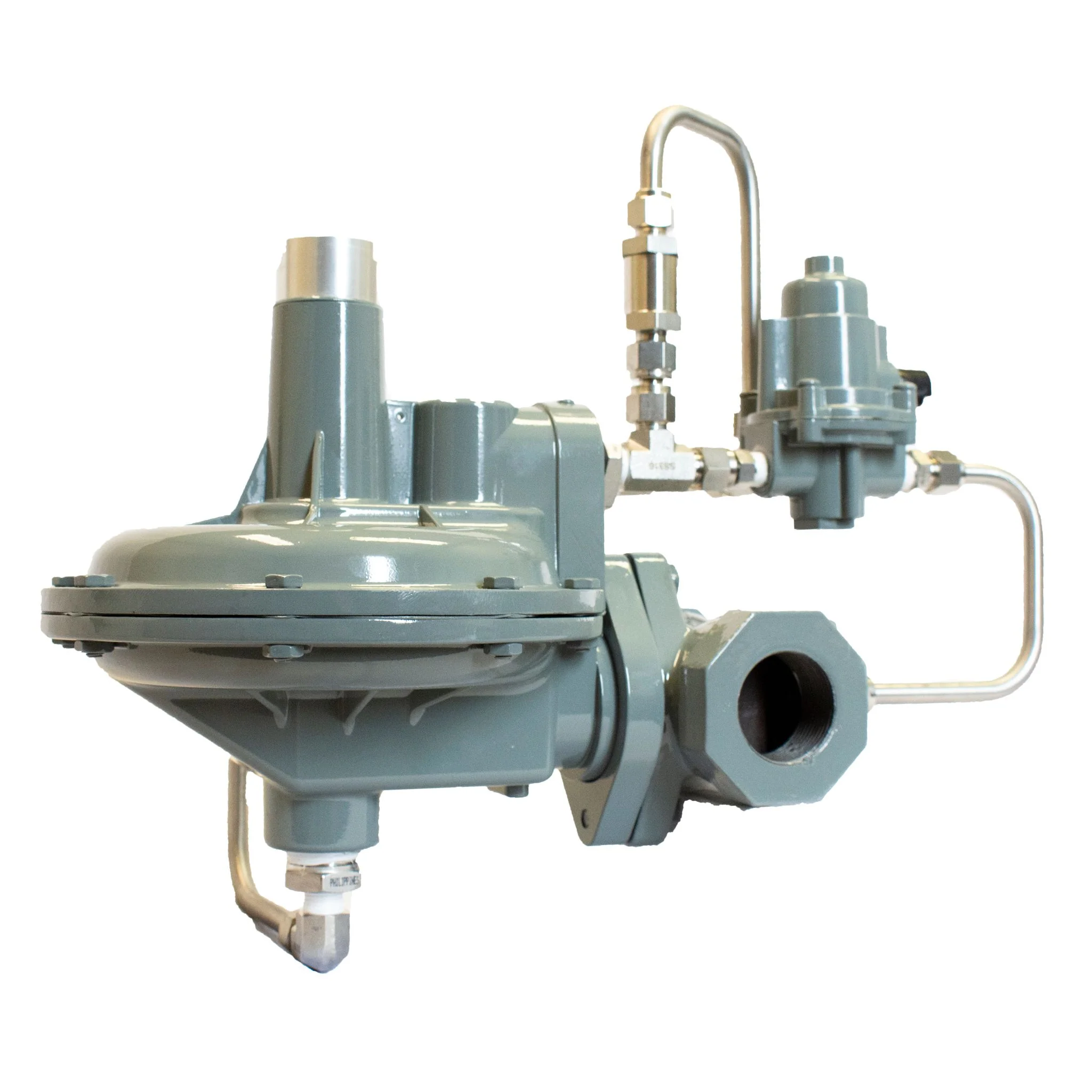
Choosing the right gas pressure regulator is essential for maintaining safety, stable operation, and efficiency in gas systems. Whether the regulator is used in industrial machinery, commercial kitchens, laboratories, or residential heating systems, the correct model helps maintain the required outlet pressure and protects connected equipment.
When selecting a gas pressure regulator, consider its inlet and outlet pressure ranges, body material, diaphragm type, regulation accuracy, safety features, flow capacity, temperature range, and connection type.
1. Pressure Range Compatibility
The first step is to evaluate the regulator's inlet and outlet pressure requirements. Different applications require different operating pressures. Household gas appliances typically operate at low pressure, while industrial burners may require medium or higher pressure, depending on their design and application.The regulator must withstand the specified inlet pressure and maintain the required outlet pressure. Choosing an unsuitable model can lead to unstable equipment operation and potential safety risks.
2. Body Material and Corrosion Resistance
The material used in a regulator's body affects its durability, reliability, and suitability for different operating environments.- Brass: Commonly used in many natural gas and liquefied petroleum gas applications.
- Stainless steel: May be suitable for environments requiring high corrosion resistance or stringent gas purity.
- Aluminum alloys: Used in certain designs where low weight and mechanical strength are important.
3. Diaphragm Type and Durability
The diaphragm is one of the key functional components of a gas pressure regulator. Its properties influence the regulator's sensitivity, stability, and service life.Elastomer diaphragms are used in many standard gas systems. Metal diaphragms may be appropriate for applications requiring high regulation precision or enhanced gas purity. Reinforced diaphragm designs can provide additional mechanical strength under certain industrial operating conditions.
The diaphragm material must be compatible with the gas and suitable for the system's pressure and temperature range.
4. Pressure Regulation Accuracy
A regulator's ability to maintain stable outlet pressure is important for reliable gas equipment operation. Keeping the outlet pressure within the required range as inlet pressure or gas demand changes helps improve overall system stability.High-precision regulators may be used in laboratories, welding systems, gas analyzers, and specialized industrial processes. For other applications, standard-accuracy models may be sufficient when their specifications meet the equipment's requirements.
5. Safety Features and Compliance Requirements
Safety should be a primary consideration when selecting gas equipment. Depending on the application, a regulator may include overpressure protection, safety shut-off devices, leak-resistant connections, and other protective components.Buyers should verify compliance with applicable technical regulations and standards. CE, EN, UL, CSA, and ISO refer to different conformity frameworks and standards; they should not be treated as interchangeable certifications. The applicable requirements must be confirmed for the specific regulator model and installation location.
Gas systems should be designed and installed in accordance with relevant safety requirements.
6. Flow Capacity
A regulator's flow capacity indicates how much gas it can deliver over a given period under specified operating conditions. Industrial furnaces, boilers, and large burners may require high-capacity regulators, while household appliances and laboratory equipment may need lower flow rates.The regulator should be sized according to the system's maximum gas demand, inlet pressure, and required outlet pressure. Insufficient capacity can cause pressure drops and unstable equipment performance.
7. Temperature Resistance
Gas regulators may operate in a wide range of environmental conditions. Outdoor installations can be exposed to low temperatures, while industrial applications may involve elevated temperatures or significant temperature fluctuations.The regulator's operating temperature range, diaphragm material, and other components must be suitable for the intended environment. Appropriate temperature resistance helps maintain reliable and stable operation.
8. Connection Type and Size
Correct connections between the regulator, pipeline, and associated equipment are essential for preventing gas leaks. Connection dimensions, thread standards, and fitting types must be compatible with the existing system.Different countries and applications may use different connection standards. Before installation, check the technical documentation, pipeline dimensions, and compatibility of all connection components.
9. Adjustability
Some gas pressure regulators allow the outlet pressure to be adjusted within a specified range. This feature can be useful in industrial and commercial systems where operating conditions and gas demand vary.Fixed-pressure regulators are designed to maintain predetermined settings. When selecting an adjustable model, consider its adjustment range, design, and safety requirements. Pressure settings should only be changed in accordance with the manufacturer's instructions and applicable safety procedures.
10. Maintenance and Spare Parts Availability
Ease of maintenance and access to spare parts are important for long-term regulator performance. Some models allow the diaphragm and other components to be replaced, potentially simplifying servicing and repairs.Scheduled inspections, adherence to the manufacturer's recommended maintenance intervals, and timely correction of faults help maintain equipment reliability.
11. Manufacturer Support and Technical Assistance
When choosing a gas pressure regulator, consider the availability of technical documentation, warranty coverage, spare parts, and service support. Professional technical guidance can help identify the right model for the intended application and reduce the risk of installation problems.
Conclusion
Selecting a gas pressure regulator requires a comprehensive evaluation of pressure range, body material, diaphragm design, regulation accuracy, safety features, flow capacity, temperature resistance, and connection type.Choosing equipment that meets the system's technical requirements helps maintain stable operation, protect connected equipment, and reduce operational risks. The final selection should be based on the manufacturer's documentation, system design specifications, and applicable safety requirements.
Partners