Innovations
Chemical Injection Odorization Systems
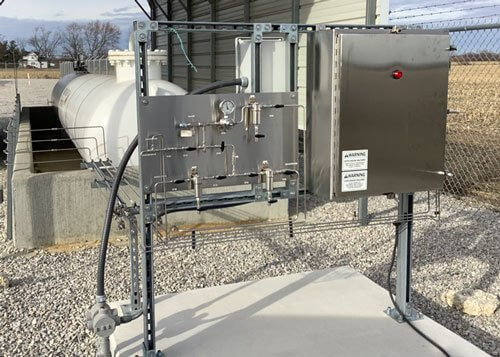
Chemical injection odorization systems are used in transmission pipelines, gas distribution networks serving large cities, medium-sized gas loads, and, in certain applications, smaller gas systems. These systems introduce a measured quantity of liquid odorant into the flowing gas, using either a pump or a drip-based dosing method.
The odorant mixes with the gas and gives it a characteristic smell that can help people detect potential leaks. In modern systems, an electronic controller monitors gas flow and adjusts the odorant injection rate in response to changes in demand.The main odorant injection technologies include Bourdon-tube-based systems, drip injection systems, and electrically or pneumatically driven pump systems.
1. Bourdon-Tube-Based Odorization Systems
In Bourdon-style odorization systems, odorant injection is controlled according to a pressure difference associated with gas flow. A differential pressure transmitter measures the pressure difference across an orifice plate or another suitable flow-measuring element. The resulting signal is used to estimate gas flow and control odorant dosing.These systems have a specialized design and are less commonly used than other odorization technologies.
2. Drip Odorant Injection Systems
Drip odorization was originally used in pipelines with high gas flow rates and relatively small flow variations under stable pressure and temperature conditions.Traditional systems use a needle valve to release liquid odorant into the gas stream as individual drops. However, changes in odorant viscosity, variations in density, and the formation of deposits can cause the needle valve to clog. As a result, operators often needed to monitor the equipment regularly to verify its performance.
Modern drip systems incorporate updated measurement sensors, electronic controllers, and automated valves. These improvements allow more precise odorant dosing across a wider range of gas flow conditions.
Electronically controlled valves open and close at programmed intervals, allowing a measured amount of odorant to pass through a drip tube. Valve operation can be adjusted according to changes in gas flow and variations in hydrostatic pressure caused by changes in the odorant tank level.
The drip tube is positioned inside a measurement chamber equipped with an optical sensor. Each time a drop separates, the sensor generates an electrical pulse. The mass of each drop depends on its size, the surface tension of the odorant, and the geometry of the drip tube tip.
Because surface tension is partly affected by temperature, a temperature correction may be incorporated into the calibration process. This approach helps estimate droplet mass and improve dosing accuracy.
3. Electrically or Pneumatically Driven Pump Systems
In pump-based odorization systems, liquid odorant is injected directly into the gas pipeline using an electrically or pneumatically driven pump. An electronic control system monitors gas flow and adjusts pump operation to match the measured flow conditions.Pump-based systems can provide controlled odorant delivery across a broad range of gas flow rates. For applications involving large gas volumes, selecting a pump and control system with the appropriate capacity is essential for maintaining dosing accuracy.
Advantages of Chemical Injection Odorization Systems
Modern injection systems monitor changes in gas flow and adjust the odorant feed accordingly. This helps maintain the required level of odorization under varying operating conditions.Key advantages include:
- Accurate dosing: Odorant delivery can be adjusted according to gas flow.
- Automatic monitoring: Sensors and electronic controls track operating parameters.
- Remote monitoring: Compatible models can provide remote access to gas flow, injection rate, and odorant tank level information.
- Alarm functions: Notifications can alert operators to abnormal operating conditions or equipment faults.
- Process documentation: Recorded dosing data helps document system operation and verify performance.
- Adaptability to changing flow rates: Odorant delivery can be adjusted as gas demand changes.
Disadvantages of Chemical Injection Odorization Systems
Electronic and pump-based odorization systems also have limitations that should be considered during equipment selection.- Dependence on electronic components: Lightning strikes and electrical surges can damage electronic equipment.
- Backup power requirements: An alternative power supply may be needed to maintain operation during electrical outages.
- Maintenance and spare parts: Suitable replacement components must be available if pumps or electronic devices fail.
- Challenges at low gas flow rates: In some systems, dosing intervals become longer at minimum flow, making consistent odorization more difficult to maintain.
- Higher initial costs: Electronic controls and pump components can make these systems more expensive than some evaporative odorization systems.
Conclusion
Chemical injection odorization systems are an important part of gas infrastructure because they introduce a characteristic smell that helps make potential gas leaks detectable. Bourdon-tube-based, drip injection, and pump-based technologies each have different operating principles and application requirements.When selecting an odorization system, manufacturers and operators should consider gas flow rates, pressure and temperature conditions, required dosing accuracy, maintenance requirements, and the desired level of automation. A properly selected and maintained odorization system contributes to safer and more reliable gas distribution.
Partners