Innovations
Natural gas regulator freezing: Causes and prevention
Natural Gas
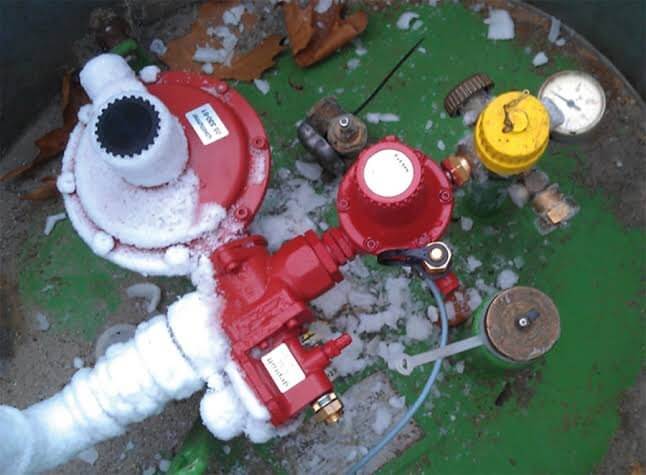
Ice forming on a natural gas regulator can be a cause for concern, especially when accompanied by interruptions in heating. However, this does not mean that the gas itself has frozen. Under normal residential installation conditions, natural gas does not solidify because of winter temperatures. What is usually observed is moisture freezing on the external surface of the equipment.
The appropriate response depends on where the ice forms, how extensive the icing is, and how the installation is operating. A thin layer of frost on an exposed metal body is different from ice that blocks the regulator's ventilation opening or occurs alongside an inadequate gas supply. In any case, a gas regulator is not a component that should be defrosted or adjusted using improvised methods.
Pay particular attention to the following situations:
Close the gas supply valve only if you know its location and can reach it without risk. Do not approach a potential leak to handle or inspect the equipment. If you smell gas inside the house, open doors or windows only if it is safe to do so while leaving, without delaying evacuation.
For reference, many domestic natural gas appliances have a nominal inlet pressure of 20 mbar. However, this value is not universal and must not be treated as an instruction for adjusting the gas pressure.
Special anti-freezing protection should only be used when it is specifically designed for the equipment and installed by the responsible professional. A standard heating cable is not automatically suitable for use near gas equipment.
Ice forming on a natural gas regulator can be a cause for concern, especially when accompanied by interruptions in heating. However, this does not mean that the gas itself has frozen. Under normal residential installation conditions, natural gas does not solidify because of winter temperatures. What is usually observed is moisture freezing on the external surface of the equipment.
The appropriate response depends on where the ice forms, how extensive the icing is, and how the installation is operating. A thin layer of frost on an exposed metal body is different from ice that blocks the regulator's ventilation opening or occurs alongside an inadequate gas supply. In any case, a gas regulator is not a component that should be defrosted or adjusted using improvised methods.
1. Why Does Ice Form on a Gas Regulator?
A gas regulator reduces the network pressure to the required supply pressure for the installation. When gas expands, its temperature may decrease due to the Joule–Thomson effect. The extent of cooling depends primarily on the pressure difference and operating conditions. Gas flow rate also affects the thermal behavior of the assembly. However, not every small pressure drop results in visible icing.External Moisture and Low Temperatures
When the regulator's surface temperature falls below 0°C, moisture on the surface can freeze. High relative humidity, fog, rain, and snow can contribute to this process. Water from gutters or air conditioners, as well as water splashed during patio cleaning, can also wet the gas meter cabinet and cause ice to form overnight.Internal Moisture or Operational Problems
Natural gas supplied for residential use is subject to controlled quality and moisture requirements. Therefore, internal icing is not expected in a properly functioning residential gas installation. If water is present in the system, a mechanism becomes jammed, or an internal blockage is suspected, the issue must be investigated by the responsible network operator or a licensed technician, depending on the component involved.- Increased gas demand can intensify cooling within the equipment.
- Incorrect equipment sizing can cause gas supply problems, but icing alone does not confirm that the system is incorrectly sized.
- Liquefied petroleum gas (LPG) regulators, including those used with propane, have different freezing characteristics due to fuel storage and vaporization. These two situations should not be confused.
2. When Does Frost Require Immediate Inspection?
A thin layer of frost without any other symptoms does not necessarily indicate a fault. However, new, persistent, or recurring icing should be reported to the relevant authority. The assessment should not be based solely on the equipment's external appearance. Weather conditions, gas consumption, and appliance performance must also be considered.Pay particular attention to the following situations:
- Ice covers the regulator's ventilation or breather opening, if one is present in the specific installation.
- The boiler repeatedly fails to ignite or displays flame-loss error codes.
- Several gas appliances experience reduced performance or interruptions at the same time.
- Extensive icing occurs or persists even in relatively mild weather.
- There is a smell of gas, an unusual continuous hissing sound, or visible damage to the equipment.
3. What Should You Do If You Find Ice on a Gas Regulator?
If a Gas Leak Is Suspected
A suspected gas leak is more urgent than a freezing problem and requires immediate attention. Do not light a flame or smoke. Do not switch electrical appliances or switches on or off in the affected area, and do not use a phone near the suspected leak. Move to a safe distance and contact the gas network operator's emergency service. If there is immediate danger, call 112.Close the gas supply valve only if you know its location and can reach it without risk. Do not approach a potential leak to handle or inspect the equipment. If you smell gas inside the house, open doors or windows only if it is safe to do so while leaving, without delaying evacuation.
If There Is No Smell of Gas
- Do not attempt to break or scrape away the ice.
- Do not use a blowtorch, hairdryer, heat gun, electric heater, or hot water to warm the gas equipment.
- Do not tamper with adjustment screws, seals, reset mechanisms, or ventilation openings.
- If gas appliances malfunction, switch them off using their normal controls and request a technical inspection.
- Record the time, outdoor temperature, and any error codes. A photograph taken from a safe distance can help with the initial assessment.
4. Prevention: Protection Without Dangerous Interventions
Preventing freezing involves keeping water away from the equipment, ensuring proper installation, and maintaining clear ventilation openings. Covering the regulator with improvised insulation materials is not an appropriate solution.- Check sources of water: Repair leaking gutters and other water sources that wet the cabinet, without interfering with the gas installation itself.
- Keep the area clear: Do not place objects in front of the gas meter or block ventilation grilles.
- Avoid improvised covers: Bags, cloths, polyurethane foam, and enclosed boxes can restrict ventilation, interfere with the regulator's breathing function, and limit access to the equipment.
- Use approved protective solutions: If a protective cabinet or canopy is required, it must comply with the instructions of the network operator and equipment manufacturer.
- Report changes in gas demand: When adding a boiler or another gas appliance, the available gas supply and the correct sizing of the system must be checked.
What Does a Professional Check?
During a technical inspection, the specialist assesses the regulator's suitability and condition, its installation location, breather openings, possible water ingress, and gas pressure under load. Measurements are compared with the requirements of the installation design and the technical specifications of the appliances.For reference, many domestic natural gas appliances have a nominal inlet pressure of 20 mbar. However, this value is not universal and must not be treated as an instruction for adjusting the gas pressure.
Special anti-freezing protection should only be used when it is specifically designed for the equipment and installed by the responsible professional. A standard heating cable is not automatically suitable for use near gas equipment.
Partners