Innovations
How Are Gas Pipeline Construction Projects Financed?
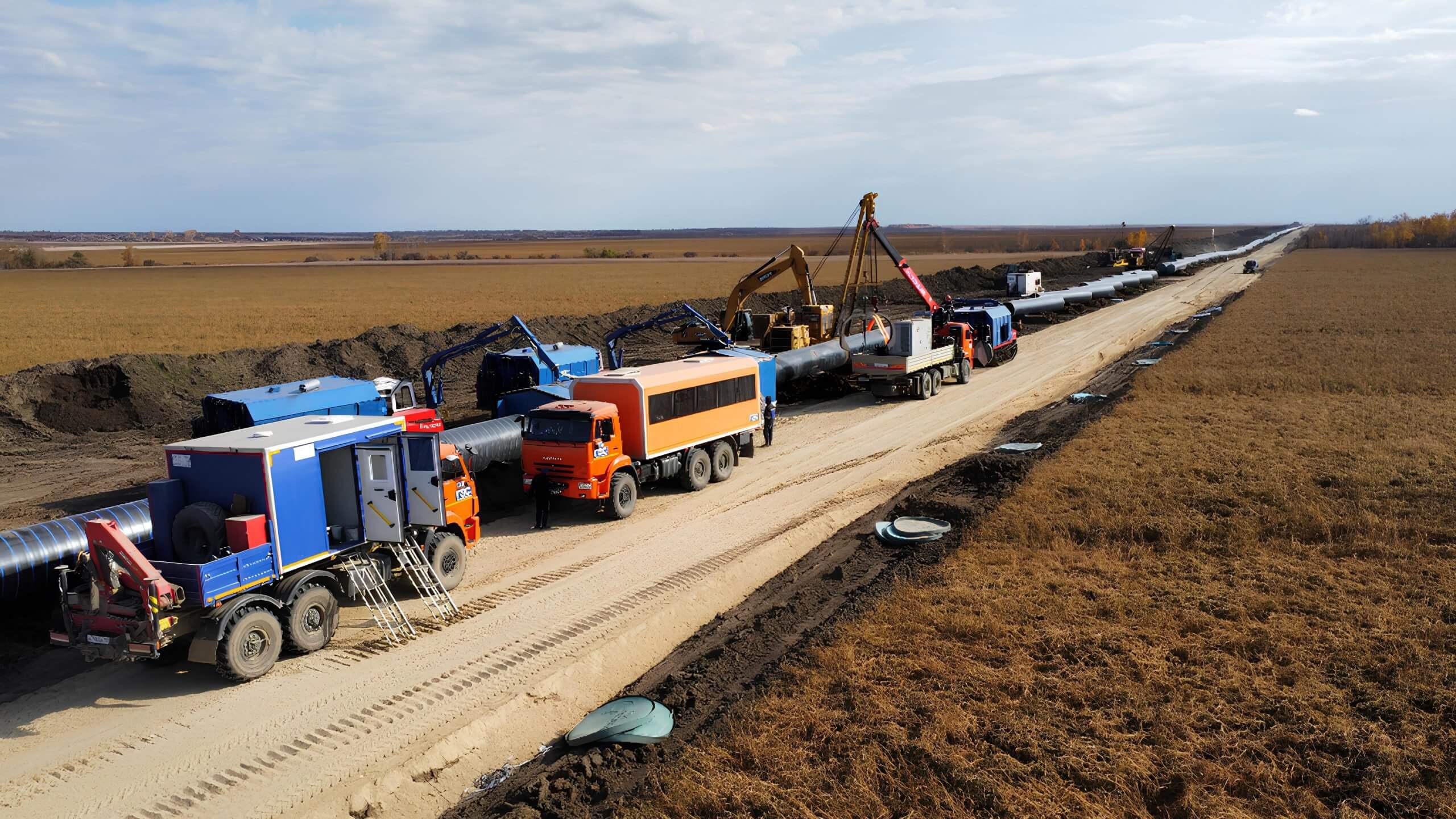
The construction, expansion and modernization of gas pipelines play an important role in the development of energy infrastructure. These projects ensure the safe and reliable transportation of natural gas from production and distribution facilities to end consumers. However, gas pipeline construction requires substantial financial investment, complex technical solutions and long-term planning.
Selecting the right financing model is essential for the successful implementation of these projects. Depending on the project scale, investment requirements and expected returns, different sources of capital can be used.This article explores the main financing methods for gas pipeline construction projects, the role of investors, available investment opportunities and the key financial risks involved.
Main Financing Sources for Gas Pipeline Construction Projects
Gas pipeline construction and infrastructure development are highly capital-intensive activities. Therefore, different financial mechanisms are used to support these projects, including bank loans, equity investments and project finance arrangements.The most common financing methods include the following:
1. Equity Financing
Equity financing involves raising capital from investors in exchange for ownership or shares in a project.Investors may include investment funds, institutional investors and high-net-worth individuals.
In return for their investment, shareholders receive a proportionate share of the project's future profits. At the same time, they also assume a corresponding share of its commercial and operational risks.
One of the main advantages of equity financing is the ability to raise substantial capital without increasing the project's debt obligations. This can be particularly beneficial for large infrastructure projects that require significant initial investment.
However, equity financing can be more expensive than debt financing because investors generally expect higher returns to compensate for the risks they undertake.
2. Debt Financing
Debt financing involves borrowing money from banks, financial institutions or bond investors to fund gas pipeline construction and other infrastructure activities.The borrower agrees to repay the principal amount together with interest over an agreed period. The loan term and interest rate depend on the conditions of the financing agreement.
Debt financing offers several important advantages:
- Distribution of financial costs: Project expenses can be spread over a longer period, reducing the immediate financial burden.
- Retention of ownership: Lenders generally receive fewer ownership rights than equity investors.
- Long-term funding: Provides an opportunity to implement large infrastructure projects in stages.
- Financial planning: A predetermined repayment schedule can make budget management more predictable.
3. Project Finance
Project finance is a specialized financing structure commonly used for large infrastructure and energy projects.Under this model, a separate legal entity known as a Special Purpose Vehicle (SPV) is established to undertake a specific project.
The SPV is responsible for the project's financing, construction and operation. Capital can be raised from multiple sources, including lenders and equity investors.
The main characteristic of project finance is that the repayment of financing is primarily supported by the future cash flows generated by the project itself.
Key advantages of this financing model include:
- Distribution of financial and commercial risks among project participants;
- Separate management of the project's financial activities;
- Greater transparency in monitoring investments and revenue streams;
- The ability to combine multiple financing sources within a single project.
The Role of Investment Funds and Private Investors in Gas Pipeline Financing
In recent years, private investment funds and individual investors have become increasingly important sources of financing for energy infrastructure. They provide an alternative to traditional bank lending and help diversify the capital available for large-scale projects.Private investment funds can provide long-term financial resources for gas pipeline construction, expansion and modernization.
Such investments create opportunities for investors to participate in the energy sector while allowing project developers to diversify their funding sources and reduce dependence on individual lenders.
Before making an investment decision, however, it is essential to assess the project's economic feasibility, potential returns, technical capabilities and associated risks.
Key Challenges and Risks in Financing Gas Pipelines
Gas pipeline construction involves long-term financial commitments and various operational and external risks. Identifying and managing these risks in advance is essential for maintaining the project's financial stability.The main challenges include:
Market Risk: Changes in energy prices and fluctuations in natural gas demand can affect project revenues. Lower-than-expected income may also make it more difficult to meet debt repayment obligations.
Political and Regulatory Risk: Changes in government policies, taxation and safety regulations can increase project costs or cause construction delays.
Environmental and Social Risk: Pipeline construction may affect land, water resources and the surrounding environment. These impacts can require additional environmental measures, legal procedures and financial resources.
Construction and Technical Risk: Unexpected technical difficulties, rising material and equipment costs, and construction delays can significantly affect the overall project budget.
To minimize these risks, project developers should prepare detailed feasibility studies, financial plans and risk management strategies before construction begins.
Current Trends in Gas Pipeline Financing
Developments in the energy sector are also influencing how infrastructure projects are financed. Several key trends are shaping the current financing landscape.Growing Use of Project Finance: Project finance is increasingly used for large energy infrastructure developments because it allows risks to be distributed among participants and improves financial transparency.
Green Finance: Growing attention to environmental responsibility has increased interest in financial instruments such as green bonds and sustainability-linked loans. These instruments are intended for projects that meet specific environmental and social criteria. However, the eligibility of gas infrastructure projects depends on the applicable financing requirements.
Alternative Financing Instruments: Some projects may also explore alternative funding methods, including crowdfunding and direct investment. These approaches can provide additional sources of capital, although their risks and practical suitability must be evaluated separately.
Conclusion
Financing gas pipeline construction projects is a complex process that plays a significant role in the development of energy infrastructure. Equity investments, debt financing and project finance are among the most widely used methods of raising capital in this sector.The choice of an appropriate financing model depends on the project's scale, investment requirements, expected revenue and risk profile. Effective financial planning, early risk assessment and a well-defined long-term strategy create the conditions necessary for the successful implementation of gas infrastructure projects.
Partners