Innovations
Why Commercial Gas Safety Inspections Matter
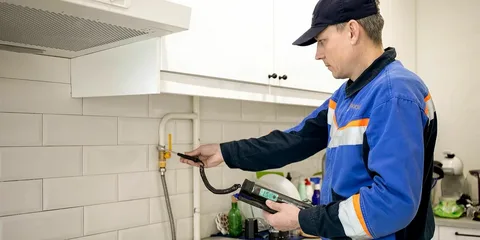
Commercial heating systems are generally larger, more complex and exposed to higher operating demands than domestic systems. Even a single fault can affect staff comfort, business continuity and compliance with safety regulations.
Regular inspections of gas equipment and heating systems help identify potential problems at an early stage and prevent serious safety hazards.Routine inspections help businesses:
- Meet gas safety obligations and regulatory requirements;
- Identify faults before they develop into serious problems;
- Improve heating system efficiency;
- Reduce the risk of costly breakdowns and repairs;
- Protect employees, tenants and visitors;
- Maintain insurance and compliance requirements.
1. Gas Leaks and Poorly Maintained Pipework
One of the most serious issues identified during commercial gas safety inspections is gas leakage.Over time, gas pipework can deteriorate or become damaged due to various factors. The most common causes include:
- Corrosion and rust;
- Mechanical damage;
- Poorly executed previous installation work;
- Age-related wear and deterioration;
- Modifications and alterations to heating systems.
To prevent these situations, qualified engineers carry out pressure testing, pipework integrity checks and gas leak detection inspections. These procedures help identify faults before they develop into dangerous situations.
2. Inadequate Ventilation
Many commercial gas appliances and heating systems require sufficient airflow to operate safely. Inadequate ventilation or blocked air vents can negatively affect equipment performance and increase safety risks.Insufficient ventilation can lead to:
- Incomplete fuel combustion;
- Reduced energy efficiency;
- Increased carbon monoxide risks;
- Problems with heating appliance performance.
For this reason, it is important to maintain proper airflow in areas containing gas appliances and ensure that ventilation openings remain unobstructed.
3. Faulty Flues and Exhaust Systems
Flues and exhaust systems are responsible for safely removing combustion gases from a building.During technical inspections, engineers may identify several issues affecting these systems, including:
- Damaged flue components;
- Corrosion and deterioration;
- Incorrect installation;
- Inadequate structural support;
- Blockages and restricted airflow.
This is particularly important for commercial boiler rooms and heating systems that operate continuously or under heavy demand throughout the year.
4. Unsafe or Inefficient Combustion
Commercial heating equipment must burn fuel safely and efficiently. Problems with the combustion process can increase energy consumption and create additional safety risks.Using calibrated combustion analysers, qualified engineers can identify:
- Incorrect air-to-fuel ratios;
- Poor combustion performance;
- Excessive harmful emissions;
- Reduced equipment operating efficiency.
This is one of the main reasons why annual servicing and inspections of commercial boilers and heating systems are so important. Regular maintenance helps assess equipment performance, identify potential faults at an early stage and maintain the safe and reliable operation of heating systems.
Partners