Innovations
Pressure regulators: how they work, where they are used and why they are essential
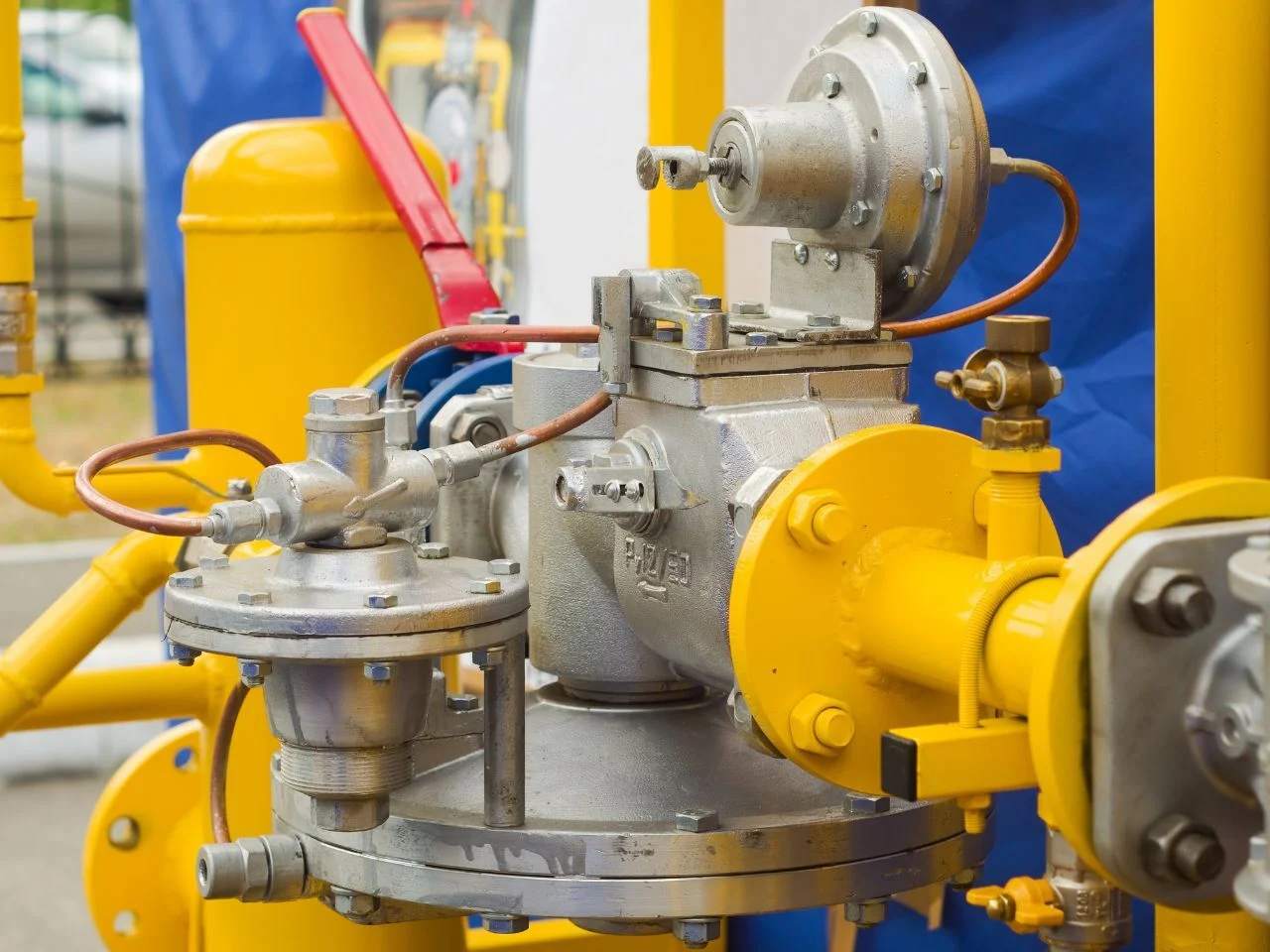
At the center of every industrial facility — from analytical laboratories to large-scale production lines — there is a variable that cannot be left to chance: pressure.
An unstable value means uncertain results, safety risks, higher energy consumption, and unexpected maintenance costs.
Pressure regulators are designed precisely to prevent these problems: they are small components, but they have a significant impact on process stability and reliability.
What is a pressure regulator and how does it work
A pressure regulator is a device designed to maintain a stable pressure of the medium regardless of changes in upstream pressure or flow, whether the medium is a liquid or a gas.
There are two main categories:
Pressure reducing regulators
They reduce the downstream pressure and stabilize it, making it suitable for use.
Backpressure regulators
They maintain stable upstream pressure and release or recirculate the medium only when the set value is exceeded.
The operating principle is simple but effective: the loading element (spring or pilot pressure), the sensing element (diaphragm or piston), and the control element (valve seat) operate in a balanced state, opening or closing the flow of the medium depending on actual conditions.
Main types of regulators
Regulator technology adapts to various industrial needs:
Spring-loaded regulators
Compact, economical, and easy to use, they are the most common solution.
Dome-loaded regulators
They use pilot gas for very precise control and allow remote adjustment.
Hybrid or air-loaded regulators
They combine the advantages of both solutions and are used in critical applications such as reactors, autoclaves, or high-pressure systems.
Another difference relates to the number of stages: single-stage regulators are sufficient for many applications, while two-stage regulators provide more stable pressure and are ideal for areas where even small changes can affect quality and safety.
Application areas: where pressure regulators make a difference
The use of pressure regulators is not limited to a few industrial sectors but covers a wide range of fields — from large energy plants to research laboratories.
Their versatility comes from the ability to adapt to various media and operating conditions: high-purity gases, corrosive liquids, high flow rates, or even systems where a difference of just a few millibars can disrupt the entire process.
In each of these conditions, regulators help ensure operational continuity, result quality, and operator safety. Therefore, choosing the most suitable model depends on the industry, the type of medium, and the pressure that must be maintained.
Below are some important application examples:
Oil, gas, and energy distribution
In oil and gas separators, compressor stations, and pipelines, regulators maintain pressure within safe limits, prevent pressure spikes, and improve separation efficiency.
In urban natural gas distribution networks, they are essential for reducing pressure to levels suitable for domestic and industrial use.
Chemical and pharmaceutical industry
In reactors, autoclaves, and fermenters, pressure stability directly affects reaction yield and operator safety.
A backpressure regulator installed at the reactor outlet keeps the system under controlled pressure and prevents fluctuations that could alter the process.
Laboratories and scientific research
In gas chromatography systems, test benches, and calibration setups, even minimal changes can affect results.
Two-stage regulators and materials compatible with ultra-pure gases ensure result reproducibility and analytical accuracy.
Energy and power generation
From steam cycles in power plants to cogeneration systems, regulators maintain stable pressure while protecting turbines and boilers.
In nuclear or high-performance power plants, they are used to control cooling gases such as helium and nitrogen.
Hydrogen and alternative fuels
With the growth of H₂ infrastructure and fuel-cell vehicles, regulators have become essential both in vehicles and at refueling stations.
They maintain lines under controlled pressure, ensuring the safety of operators and users.
Cryogenic and industrial gases
In storage and transfer systems for oxygen, liquid nitrogen, or LNG, regulators ensure controlled gas release and circulation, prevent unwanted pressure increases, and preserve tank integrity.
High-pressure hydraulics and waterjet cutting
In systems with constant-volume pumps, the regulator prevents harmful pressure peaks by bypassing excess flow.
In waterjet cutting systems, pressure can reach 100,000 psi (6,895 bar), and a reliable regulator protects pumps and pipelines while ensuring continuous operation.
Special applications
From underwater systems for professional diving to hyperbaric chambers and life-support systems, regulators manage breathing gases and create safe conditions in extreme environments.
Advantages for safety and efficiency
Integrating a pressure regulator into a system means not only meeting technical requirements: it also means achieving real advantages in safety, process quality, and energy efficiency.
A properly selected regulator becomes a tool that ensures stable performance, reduces hidden costs related to losses and unplanned shutdowns, and extends equipment service life.
Its role is multifaceted: it protects systems from extreme conditions, increases production stability, and helps companies control energy consumption and maintenance costs.
Main advantages
Higher operational safety: the regulator prevents excessive pressure and unstable conditions, protecting operators and equipment.
Process stability and product quality: stable pressure means controlled reactions, compliance with standards, and less waste.
Energy efficiency: reducing operating pressure to the minimum required level decreases energy consumption.
Reduced maintenance costs: by reducing mechanical loads and pressure spikes, regulators extend the service life of pumps, pipelines, and other components.
Continuous productivity: a stable and safe system means fewer unexpected shutdowns and more consistent operation.
Integration with other high-pressure components
Regulators do not operate alone: they are an integral part of a system that includes valves, pipelines, fittings, filters, and certified measuring devices.
In complex applications such as high-pressure test benches, waterjet systems, or hydrogen refueling stations, regulators ensure that each component operates within its design limits and maintain the reliability of the entire system.
Their proper selection, together with appropriate upstream filtration and certified safety devices, forms the basis for building systems that comply with regulatory requirements while delivering high performance.
Partners