Innovations
Top 10 Trends Shaping the Oil and Gas Industry
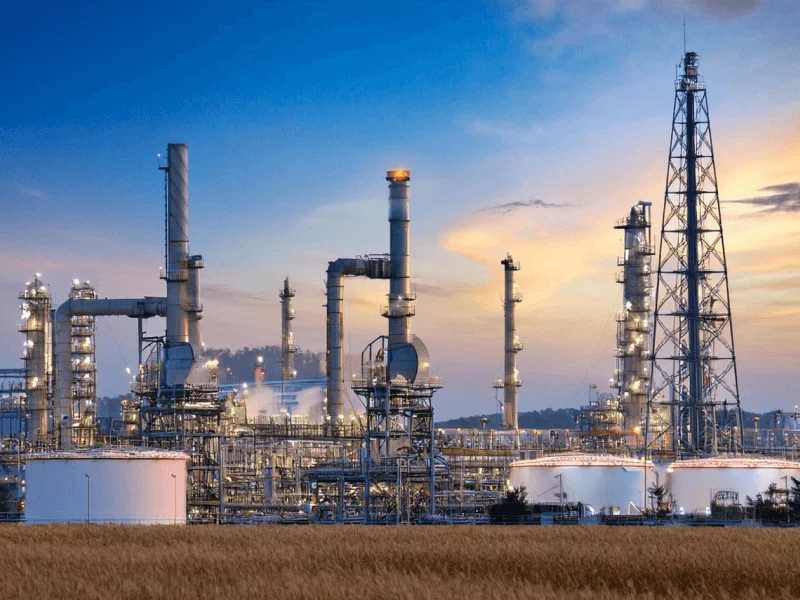
Key Trends in the Oil and Gas Industry from 2024 and Beyond
The oil and gas industry is undergoing a deep transformation, with several key trends reshaping its future. While technological advancements play a crucial role, other factors such as sustainability initiatives, regulatory pressures, and market demands also significantly impact the sector. As companies navigate this complexity, they are finding innovative ways to adapt and thrive in an ever-changing environment.
In this article, we explore 10 key trends redefining the oil and gas industry from 2024 onward and demonstrate how these developments are paving the way toward a more sustainable and resilient future.
Key Trends
- Energy Transition and Decarbonization – reducing carbon emissions and shifting to clean energy sources.
- Digitalization – adoption of IoT, big data, and artificial intelligence.
- Automation and Robotics – improving efficiency and safety.
- Focus on Sustainability – ESG and environmental responsibility.
- Geopolitical Factors – influencing global decisions.
- Supply Chains – resilience and optimization.
- Drilling Technologies – new innovative methods.
- Regulatory Pressure – impact of legislation.
- Role of Natural Gas – a cleaner energy source.
- Renewable Energy – increasing investments.
1. Energy Transition and Decarbonization
The energy transition has become a key priority as oil and gas companies strive to reduce carbon emissions.
- Increased investment in carbon capture and storage (CCS).
- Investments in wind and solar energy.
- Improved energy efficiency.
2. Digitalization
Digital technologies such as artificial intelligence, IoT, and big data are optimizing operations and reducing costs.
- Predictive maintenance.
- AI-driven seismic data analysis.
- Real-time operational management.
3. Automation and Robotics
Robotic technologies enhance safety by replacing humans in hazardous environments.
- Automated drilling rigs.
- Robotic inspections.
- Reduced human intervention.
4. Focus on Sustainability
Sustainability has become a core focus of the industry.
- Reducing carbon footprint.
- Green hydrogen projects.
- Zero-emission initiatives.
5. Geopolitical Factors
Global political changes influence energy markets.
- Fluctuations in oil prices.
- Sanctions and trade restrictions.
- Risk management strategies.
6. Supply Chain Resilience
Companies are implementing new solutions to strengthen supply chains.
- Localization of suppliers.
- Transparency through blockchain.
- IoT-based tracking systems.
7. Advances in Drilling Technologies
New technologies make resource extraction more efficient.
- Horizontal drilling.
- Hydraulic fracturing (fracking).
- Enhanced Oil Recovery (EOR) methods.
8. Regulatory and Environmental Pressure
Stricter regulations are forcing companies to adapt.
- Strict environmental standards.
- Rising compliance costs.
- Proactive environmental strategies.
9. Transition to Natural Gas
Natural gas is becoming a key transitional energy source.
- Lower emissions.
- Expansion of the LNG market.
- Growing global demand.
10. Investment in Renewable Energy
Companies are diversifying their energy portfolios.
- Wind and solar projects.
- Investments in green hydrogen.
- Energy storage technologies.
Conclusion
The oil and gas industry is rapidly evolving, and these changes are driving it toward a more sustainable future. Companies are leveraging innovation and technology to enhance competitiveness while reducing environmental impact. These trends indicate that the future of the energy sector will be more balanced, smarter, and more sustainable.
Partners