Innovations
Gas Meters
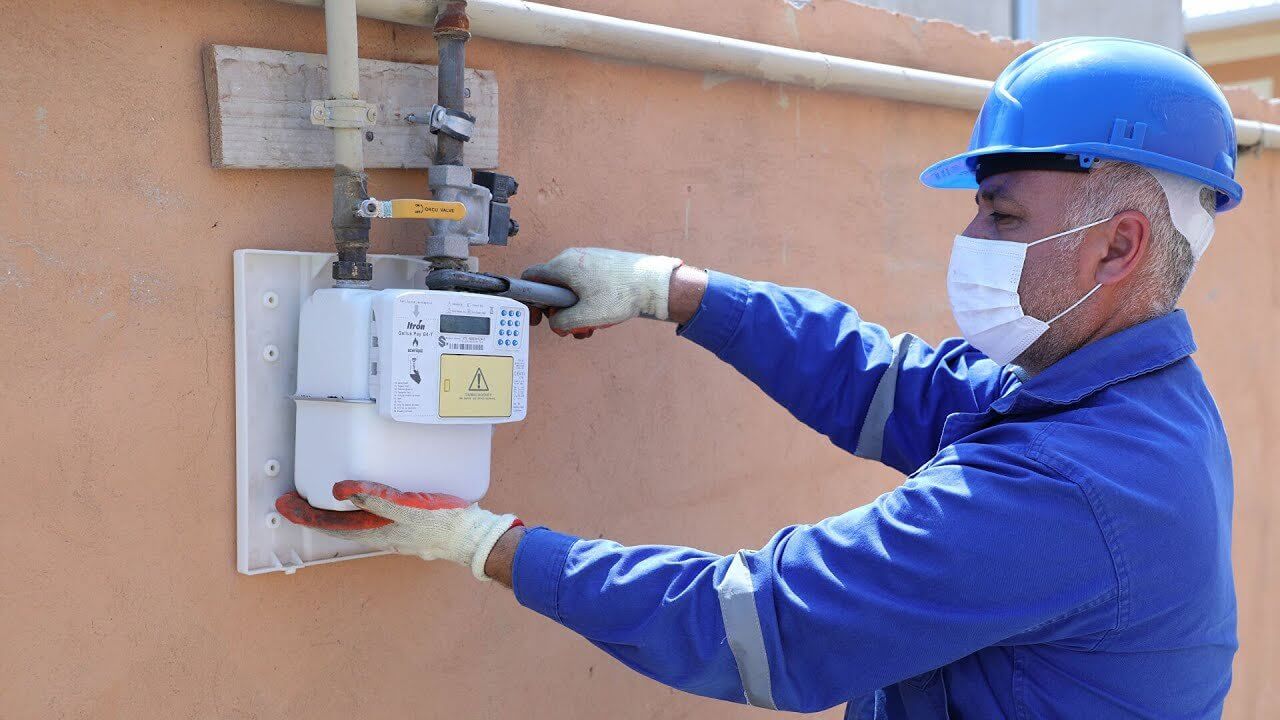
Gas Meters and Their Types
Gas meters are an essential component of natural gas distribution systems. Their primary function is to accurately measure the volume or mass of gas flowing through a pipeline so that service providers can bill customers correctly, manage system capacity, and ensure safe and reliable operations. Across Canada, gas meters are used in a wide range of applications — from residential services to high-pressure transmission measurements and industrial custody transfer points. With the advancement of modern smart metering technologies, gas meters are also becoming a valuable source of data for utility companies.
Choosing the right gas meter is not a one-size-fits-all decision. Measurement requirements vary depending on factors such as flow range, operating pressure, accuracy expectations, regulatory requirements, available installation space, and long-term operational considerations. As gas distribution networks evolve with increasing data demands and advanced monitoring systems, understanding the strengths and limitations of each metering technology has become more important than ever.
Types of Gas Meters
- Diaphragm gas meters
- Single-path ultrasonic meters
- Medium-accuracy ultrasonic meters
- Multi-path ultrasonic meters
- Rotary meters
- Turbine meters
- Coriolis meters
Diaphragm Gas Meters
Diaphragm meters are positive displacement meters that measure gas by filling and emptying chambers created by flexible diaphragms. As gas flows through the meter, each chamber is filled in sequence, and the mechanical movement is converted into a volume measurement.
Applications:
- Residential gas services
- Small commercial facilities
- When simplicity, reliability, and low cost are priorities
Single-Path Ultrasonic Meters
Single-path ultrasonic meters measure gas flow by transmitting ultrasonic signals along a single acoustic path between two transducers. The difference in transit time between upstream and downstream signals is used to calculate flow velocity.
These meters are typically used in residential and light commercial applications where data collection, moderate accuracy, and low pressure loss are required. They can operate across a wide range of pressures and flow rates and are ideal where installing mechanical meters is difficult.
Applications:
- Residential and light commercial services
- When simplicity, data collection, and low cost are priorities
- Can serve as a direct replacement for diaphragm meters
Medium-Accuracy Ultrasonic Meters
Medium ultrasonic meters act as a bridge between single-path and multi-path designs. They typically use multiple acoustic paths to improve accuracy and compensate for flow profiles while maintaining a compact size.
Applications:
- Medium-sized industrial and distribution systems
- Institutional facilities (hospitals, schools, etc.)
- Alternative to rotary meters
Multi-Path Ultrasonic Meters
These meters use multiple acoustic paths across the pipe to measure flow velocity at different points, enabling advanced flow profile compensation and very high accuracy.
Applications:
- Custody transfer
- Large industrial and infrastructure facilities
- High-accuracy measurement environments
Rotary Meters
Rotary meters are positive displacement meters that use two rotating lobes to measure gas volume. As gas passes through the meter, the lobes rotate in proportion to the flow rate.
Applications:
- Industrial and large commercial applications
- Where accuracy and proven performance are critical
Turbine Meters
Turbine meters measure gas flow by using the velocity of the gas to rotate a turbine rotor. The rotational speed is proportional to the flow rate.
Applications:
- High-flow industrial applications
- Transmission pipelines
- Locations with stable flow conditions
Coriolis Meters
Coriolis meters directly measure the mass flow of gas and also provide density measurements.
Applications:
- Specialized industrial applications
- Calibration systems
- Where mass and density measurement add value
Partners