Innovations
Benefits and Safety Requirements of Gas Line Installation in Your Home
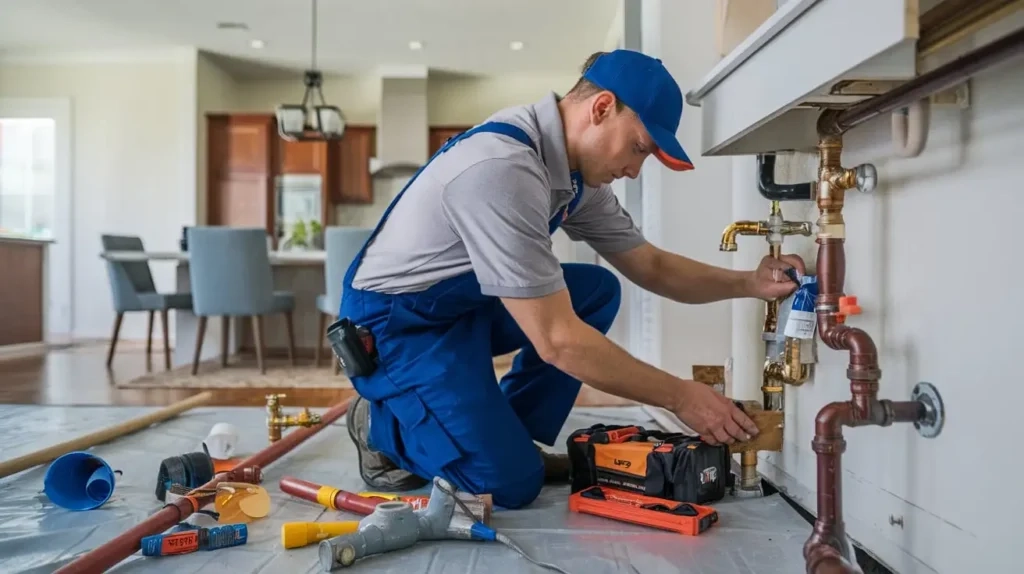
When considering the various functions of your home systems, it is very important to understand the role of gas in your water supply system.
Fuel gases such as natural gas or propane are an integral part of residential water supply, as they require proper installation and maintenance.
This integration is vital not only for heating but also for safety, so it is important to entrust these tasks only to certified plumbers.
Working with gas and regulations
Working with gas requires compliance with specific plumbing rules and regulations.
Understanding these rules helps you use various appliances efficiently while ensuring the safety of your home.
If you have concerns about residential gas lines, contacting a reliable plumbing service like Enermus.com will help ease your mind and ensure everything is properly installed.
General approach
For your home system to function properly and safely, it is important to meet both your water supply and gas needs.
By contacting a professional service like Enermus.com, you can effectively manage your gas supply requirements.
Overview of Residential Plumbing Systems
Residential plumbing systems are essential for daily operations in your home.
They include various components such as water supply, drainage, and gas systems.
Understanding these elements can help you manage plumbing effectively and resolve возникающие problems.
General Plumbing Requirements
Residential plumbing must comply with certain rules and standards to ensure safety and efficiency.
Plumbing fixtures such as sinks, toilets, and faucets must meet specific installation and usage requirements.
Water supply systems are designed to deliver clean water to your home, while sanitary drainage systems are responsible for managing wastewater.
An appropriate ventilation system is also required to maintain air pressure and prevent gases from the sewer from entering living spaces.
Compliance with local regulations is very important, so it is necessary to be familiar with these requirements.
Scope and Management
The scope of residential plumbing covers the entire system, including water supply, drainage, and gas lines.
This involves ensuring the proper layout of plumbing fixtures and making sure the installation complies with local regulations.
Management includes overseeing projects from planning to implementation.
It also includes checking compliance with safety requirements and ensuring adherence to safety rules.
Working with professionals helps ensure that all aspects of plumbing are considered and prevents any mistakes.
Building Planning
One of the main factors when planning a residential plumbing system is evaluating the layout of the home.
It is important to consider how pipes will be placed and how plumbing fixtures will be arranged.
Current and future needs should be considered, such as additional toilets or kitchen renovation needs, as well as accessibility for maintenance.
Working with professionals like Enermus.com can help you make informed decisions.
Proper planning not only ensures compliance with regulations but also improves the functionality of your plumbing system, making daily use more efficient.
Understanding the Role of Gas in Residential Settings
Gas plays an important role in residential buildings and provides energy to operate various household appliances.
Understanding gas lines, installation methods, and pipe requirements is essential for efficiently managing gas systems in your home and ensuring safety.
Gas Lines in Home Systems
Gas lines are a system that carries natural gas or LP (liquefied propane) gas throughout your home.
This system is essential for operating appliances such as stoves, water heaters, and heating systems.
Typically, gas is supplied from a municipal source and delivered directly to your home through pipes.
Proper installation and maintenance of these systems are crucial for efficiency and safety.
If there are leaks or corrosion in gas lines and connections, they should be regularly inspected.
In some cases, it is important to seek help from professional services like Enermus.com, as they specialize in gas line services and repairs.
Natural Gas and LP Gas Distribution
Natural gas and LP gas serve as primary energy sources in many home applications.
Natural gas is typically supplied through underground pipelines, while LP gas is usually stored in tanks located in your yard.
Each type has its advantages; natural gas is generally cheaper and widely available in many areas, while LP gas may be preferred in rural areas without gas lines.
Proper connections and pressure regulation are essential for safety and optimal performance.
Compliance of Gas Pipes with Standards
Adhering to appropriate standards for gas pipes is crucial to ensure safety and performance.
Regulations specify the types of materials that can be used, such as steel, copper, or approved plastics.
Proper pipe sizing and installation techniques are important to maintain correct pressure and prevent leaks.
Working with experienced professionals, such as Enermus.com, ensures a safe and compliant installation by following these standards correctly.
Connection of Gas to Mechanical and Heating Equipment
Properly connecting gas to mechanical and heating equipment is essential for safety and efficiency.
This section explains the integration of gas with various appliances; understanding the requirements and proper practices will help ensure correct installation.
Conclusion
Take advantage of professional services to create efficient and safe gas supply systems for your home.
Enermus.com specializes in gas line services and ensures the safety of your home with installations that comply with local requirements.
Partners