Innovations
Types of Stations Used in the Transportation of Natural Gas through Pipelines (Midstream)
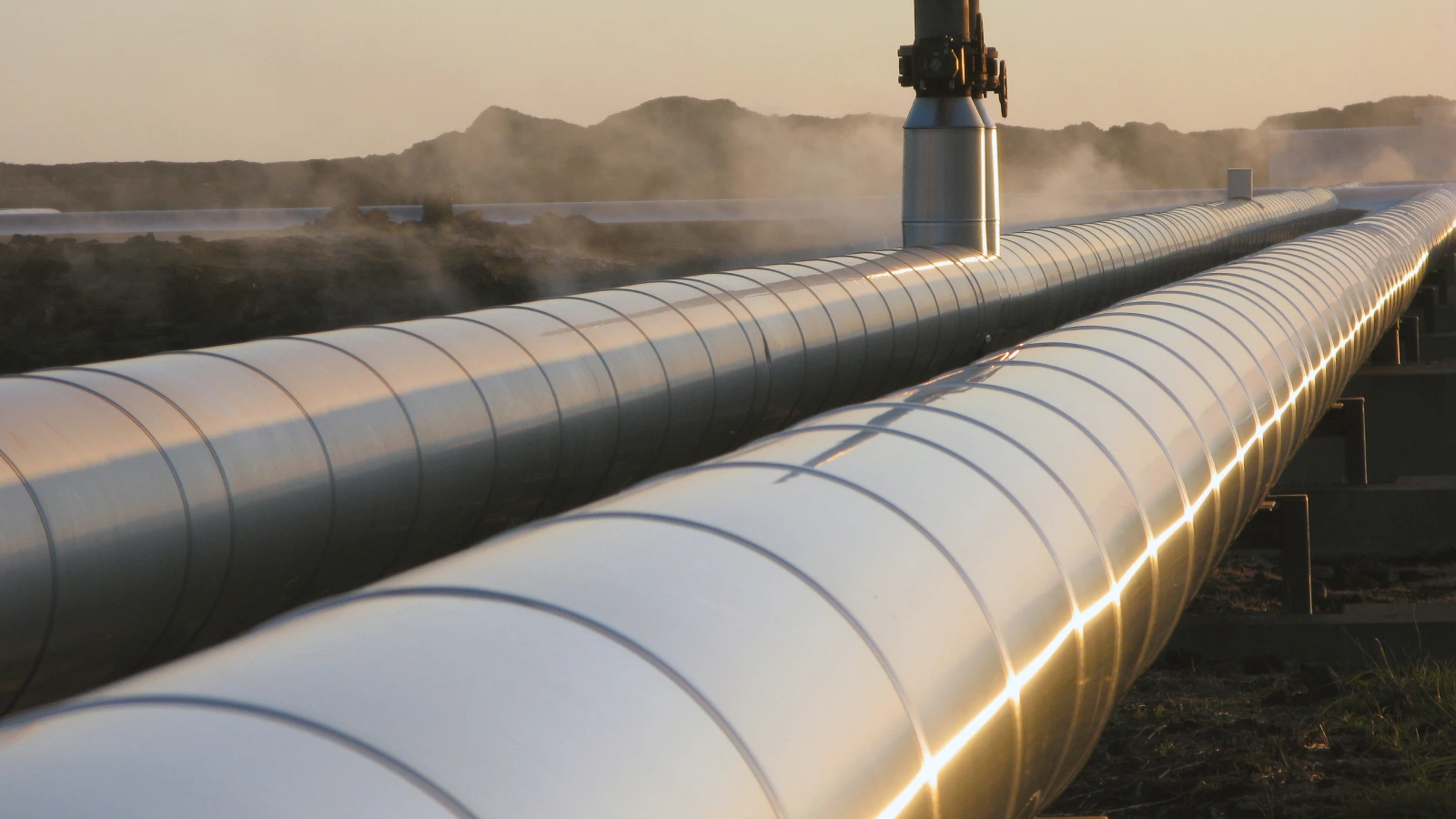
The transportation of natural gas through pipelines is a complex process that requires high technical expertise. This involves not only an extensive pipeline network but also the integration of critical stations that ensure the safe and efficient flow of gas. These stations allow the gas to be managed, measured, and maintained safely and efficiently over hundreds or even thousands of kilometers.
Below are explanations of the three main types of stations in the natural gas transportation system: compression, metering, and regulation.
1. Compression Stations: Ensuring Flow
Compression stations are used to increase the pressure of gas and ensure its efficient flow along the pipeline. During natural gas transportation, pressure is lost due to friction and changes in topography. Compression stations compensate for these losses, ensuring that gas continues to move toward consumption centers.
Main Functions:
• Centrifugal, reciprocating, or screw compressors are used to increase gas pressure.
• Cooling systems are applied to control the temperature of the gas after compression.
• Facilitate the transportation of natural gas over long distances.
Importance:
• Ensures efficient transportation of natural gas.
• Maintains safety and proper pressure within the pipeline.
• Plays a crucial role in long-distance transmission.
2. Metering Stations: Accuracy and Control
Metering stations measure the volume and pressure of gas, providing essential data for energy management and commercial purposes. These stations monitor gas flow and ensure the safe operation of the pipeline.
Main Functions:
• Flow measurement: Measures the volume of gas, enabling the calculation of energy transfer.
• Pressure regulation: Adjusts gas pressure to ensure proper transportation.
• Gas quality control: Checks gas quality using H2O and H2S analyzers.
Importance:
• Provides accurate gas measurements, which are essential for billing and energy management.
• Ensures gas quality, preventing issues during distribution and consumption.
3. Regulation Stations: Pressure Management and Safety
Regulation stations are used to reduce and stabilize the pressure of natural gas. These stations ensure that gas is safely delivered to consumers.
Main Functions:
• Protect downstream networks from excessive pressure.
• Reduce and stabilize natural gas pressure: Lowers high gas pressure to a more suitable level.
• Ensure constant pressure: Pressure regulators maintain stable pressure.
• Ensure gas quality: Filters maintain gas cleanliness.
Importance:
• Ensures that natural gas reaches consumers at the correct pressure and quality.
• Essential for the efficient operation of distribution systems.
Partners