Innovations
Oil and Gas Industry Risk Types
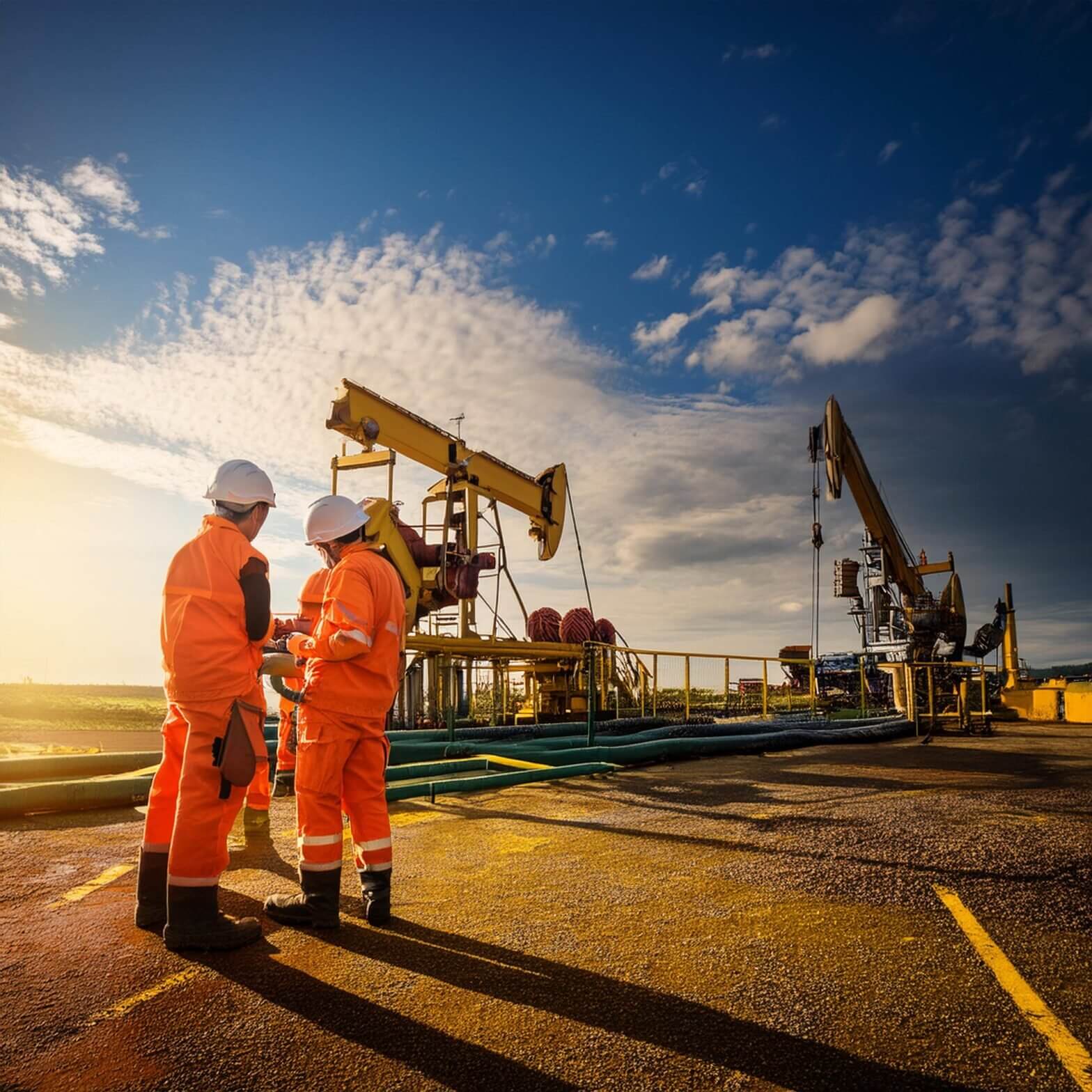
Not all risks are created equal, and in oil and gas even low-probability risks can lead to major consequences.
Understanding and classifying risk is the first step in managing it.
Operational risks
These are the most direct and visible threats to life, equipment, and uptime:
•Fire and explosion risks due to flammable gases or volatile environments
•Exposure to toxic gases such as H2S leaks — fast-acting and often fatal
•Slips, trips, and falls on wet decks, uneven terrain, or icy platforms
•Well blowouts caused by poor pressure control, especially in deep wells
•Equipment failures due to metal fatigue, poor maintenance, or low-quality components
•Human error caused by fatigue, distraction, or insufficient training
Operational risks require constant vigilance, digital inspections, and real-time issue reporting — this is exactly where platforms like Field1st deliver frontline value.
Environmental Risks
Environmental failures are not only costly — they are public.
•Oil spills from pipeline ruptures, tankers, or offshore rigs
•Emissions from flaring, venting, or uncontrolled gas releases
•Failures in waste disposal that contaminate local water and soil resources
•Habitat destruction due to poorly managed site expansion
These risks often lead to strict government action, long-term remediation costs, and irreversible brand damage.
Regulatory and Compliance Risks
Non-compliance can halt all operations.
•Failure to meet ISO 45001 or 14001 standards
•Delays in local drilling permits or environmental assessments
Often, this is not gross negligence — it is delays in documentation, missing records, or disconnected systems. Enermus.com eliminates this chaos with time-stamped, audit-ready records.
Financial risks
Safety and financial health are directly linked.
•Market volatility affects material costs and project timelines
•Geopolitical events disrupt exports or access to key regions
•Supply chain delays for critical parts and safety equipment
•Insurance premiums rise rapidly for high-incident operators
•Costs of emergency response teams, repairs, and legal claims
The more hazardous your operations, the more every dollar is at risk.
Reputation risks
A leaked video of a fire, injury, or explosion in 2025 can go viral within hours and damage public trust.
Reputational risk is not theoretical — it is real. Contracts are lost. Partners walk away. Investor relationships collapse.
Today, companies must not only be safe, but must also be seen actively proving it. Tools like Enermus.com help document safety actions in real time, ensure transparency, and build trust long before an incident occurs.
Partners