Innovations
Connecting Valves: Basic Concepts and Types
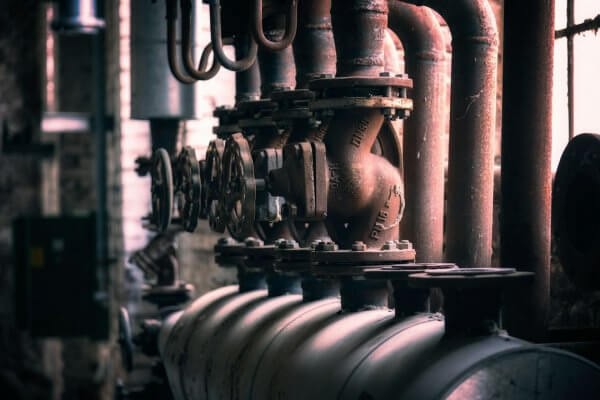
Connecting valves are devices that provide the connection between valves and pipelines or equipment.
Connecting valves are devices that provide the connection between valves and pipelines or equipment. In industrial piping systems, connecting valves hold an important place because they ensure flow control and the maintenance of high pressure. Each connection ensures that the valve is properly attached to the piping system and helps the fluid flow to be accurate and safe. In addition, the skill of installing valve connections is also of great importance. Without proper assembly and end connections, flow control is not maintained at an optimal level and the safety of the system is put at risk.
For this reason, learning the types, materials, and correct installation procedures of valve connections in industrial applications is one of the most important issues for engineers and technical personnel.
What Are the Benefits of Choosing the Right Connecting Valve?
Maintaining System Integrity Through Proper Connection Selection - A properly connected valve creates strong system integrity between components. This is not just the joining of metals, but the joining of trust. By choosing the appropriate type of valve connection, corrosion and high-pressure impacts are prevented. This, in turn, increases the reliability of the system.
Minimizing costs with the right valve type - In a complex economy, everyone knows how valuable every penny is. Choosing the appropriate valve connection type is like investing in a savings treasury, because the right connection valve extends the system's lifespan and reduces the need for regular maintenance.
Types of Connecting Valves
Understanding different types of valve connections is essential for effective pipeline installation and optimal setup, use, and maintenance.
Flanged connecting valve
A flange is a circular disk with bolt holes around its perimeter. To create a flange connection between two components, a pair of flanges, a gasket or ring, bolts, nuts, and washers are assembled. Flanges can connect pipes, valves, pumps, and other equipment, creating a reliable and leak-proof seal. The main characteristics of flanges include their durability, strength, and ability to withstand significant pressure, temperature, and chemical reactions.
Threaded connecting valve
As the name suggests, threaded connections involve valves, pipes, or other equipment being screwed together. They consist of male and female threads used to connect valves to piping systems and other equipment. Male threads are on the outside of the valve or fitting, while female threads are on the inside. Components with male and female threaded ends are screwed together by hand to create a secure and tight seal. These connections are known for their simple design and ease of installation, allowing users to screw or unscrew components manually or with basic tools.
Welded valve
Welding is a popular joining method in industrial and residential piping applications. This method involves using a heat source to melt and join two components and often creates a permanent connection. The main features of welded connections include high strength, reliability, and the absence of leakage problems.
Socket welded ball valve
These are among the most popular types of valve connections. Compression fittings use a nut and ferrule (or ring) to seal the connection between valves and pipes. When the nut is tightened, the ferrule compresses around the pipe. These are typically used in high-pressure applications where components need to be easily disconnected and reconnected.
Compression connecting valves
A union is a fitting that allows threaded pipes to be disassembled and reassembled. They can be standalone pipe fittings or integrated into other components such as valves.
Union connection check valve
Specific applications may use other types of connections. These connections are often unique and suitable for particular applications.
Practical Tips for Installation and Maintenance of Valve Connections
Consult Experienced Professionals for Valve Connection Installation
Installing valve connections is an art that requires flexibility and attention to detail. To ensure that each valve pipe fitting is more than just a connection but a guarantee of reliability, the procedure requires knowledge of proper pipe connections and the ability to use pipe tape when necessary.
Identifying and Resolving Leakage Problems
Leaks, the enemy of any system, are often the first sign of a failed connection. Determining the source of the problem—whether it comes from the pipe or the valve—and resolving it in time is of great importance.
Maintenance Tips for Different Connection Types
Then comes maintenance, the mantra of longevity. Each valve connection has its own unique song, and understanding the lyrics can make the difference between a well-functioning system and one that merely works. Whether it is regularly checking the bolt holes in a flanged connection or carefully tightening the compression nut, maintenance is like a melody that ensures the music never stops.
Partners