Innovations
What Is the Best Material for Gas Pipes?
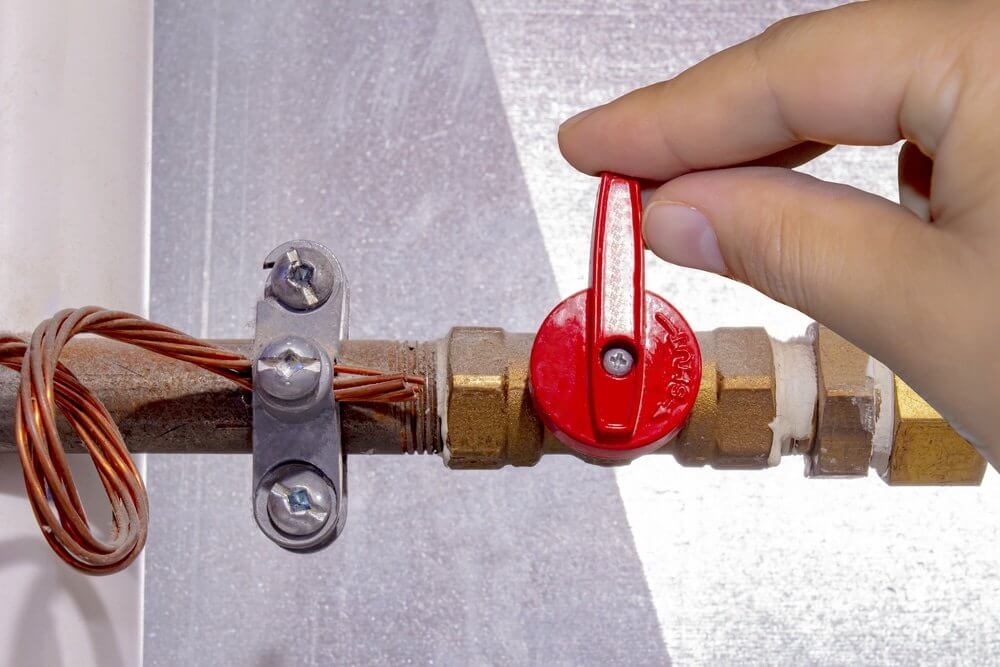
What Are Gas Pipes?
Gas pipelines refer to pipelines that transport natural gas from mining fields or processing plants to city gas distribution centers or industrial users. The use of natural gas pipelines for transporting natural gas is one way of moving large quantities of natural gas on land. The selection of materials for natural gas pipelines mainly depends on usage purposes and needs.
Types of Gas Pipes
Corrugated Stainless Steel Pipe
has good flexibility and can significantly reduce the number of bends and threaded connection points, shorten construction time, and reduce the number of potential leakage points, but requires proper grounding to reduce the risk of lightning damage and must be used in accordance with the manufacturer's installation instructions.
Galvanized Steel Pipe
Gas pipes made of galvanized steel are energy-efficient and durable. Galvanized steel pipes used for both indoor and outdoor gas lines are ideal for water supply lines. This material is often found in older homes and is not used in new constructions today because it is more labor-intensive compared to other materials.
Stainless Rigid Pipe
Rigid pipes made of stainless steel can be used in highly corrosive environments, food processing, marine atmospheres, or places requiring a clean appearance. At the same time, it can be used as a design reference;
Black Iron Pipe
Black iron is the most commonly used material in the production of both indoor and outdoor gas pipes. The material is strong, heat-resistant, and can form an airtight seal when properly fitted together. However, over time black iron can corrode and its seal may fail. If your gas pipes are made of black iron, it is recommended to hire a specialist for regular maintenance.
Plastic Pipes
Made from PE and PVC. PE pipes are lightweight, flexible, easy to install, and have good resistance to corrosion and wear, making them especially suitable for underground or buried natural gas pipelines. PE pipes are divided into high-density polyethylene (HDPE) and medium-density polyethylene (MDPE), which have good pressure resistance and flexibility. PVC pipes have excellent mechanical properties and resistance to acids and alkalis, are easy to install, and are low-cost, but are not weather-resistant, are not suitable for prolonged exposure to sunlight, have low pressure resistance, and are usually only suitable for low-pressure natural gas transmission.
Pipes Made of Copper and Copper Alloys
The use of copper pipes in gas systems or specific low-pressure applications is permitted in some areas, but it is limited by the sulfur content of the gas source: when the average hydrogen sulfide content in the gas is >0.3 grains per 100 standard cubic feet, bare copper (or copper/copper) pipes should not be used; instead, tin lining or other materials should be used.
Composite Pipes
Composite pipes such as FRP pipes and aluminum-plastic composite pipes have excellent mechanical properties and corrosion resistance and are suitable for transporting high-pressure and corrosive environments. FRP pipes are lightweight, strong, and easy to install and are widely used in natural gas transmission systems. Aluminum-plastic composite pipes consist of aluminum and plastic on their inner and outer surfaces respectively and are characterized by long-term durability, corrosion resistance, safety, and reliability.
Gas Pipe Problems
Problems with gas pipes can lead to deteriorating air quality, fires, and even explosions. Before turning on your heating system for the season, consider hiring a specialist to inspect it and perform necessary repairs to prevent issues.
Common signs of problems in your gas pipes include:
Leaks
Incorrect connections
Corrosion
Hissing sounds
Rotten egg smell
High energy costs
Problems with gas-powered appliances
How to determine the "most suitable" gas pipe material - key decision factors
First of all, the installation location of the pipe directly determines the choice. At the same time, the type and composition of the gas (whether the hydrogen sulfide content in natural gas exceeds the standard) determines the possibility of using copper pipes. However, the pressure level of the gas may also affect your choices. In addition, the corrosion environment is one of the factors to consider when selecting pipes. For example, ammonia-based cleaning agents, humidity, soil corrosion environment, etc. affect copper and aluminum, and stainless steel is considered safer in this case.
Conclusion
In the process of selecting natural gas pipelines, you can make comprehensive considerations based on the usage environment, gas quality, construction difficulty, etc., and choose suitable pipeline materials. Steel pipes, plastic pipes, copper, iron, and composite pipes all have their own advantages and limitations and should be used flexibly, selected, and designed together with actual conditions. At the same time, regular inspection and maintenance are required during use to ensure the safety and reliability of pipelines so that natural gas can better serve our lives.
Partners