Innovations
Gas Safety: Real-time Monitoring with Artificial Intelligence
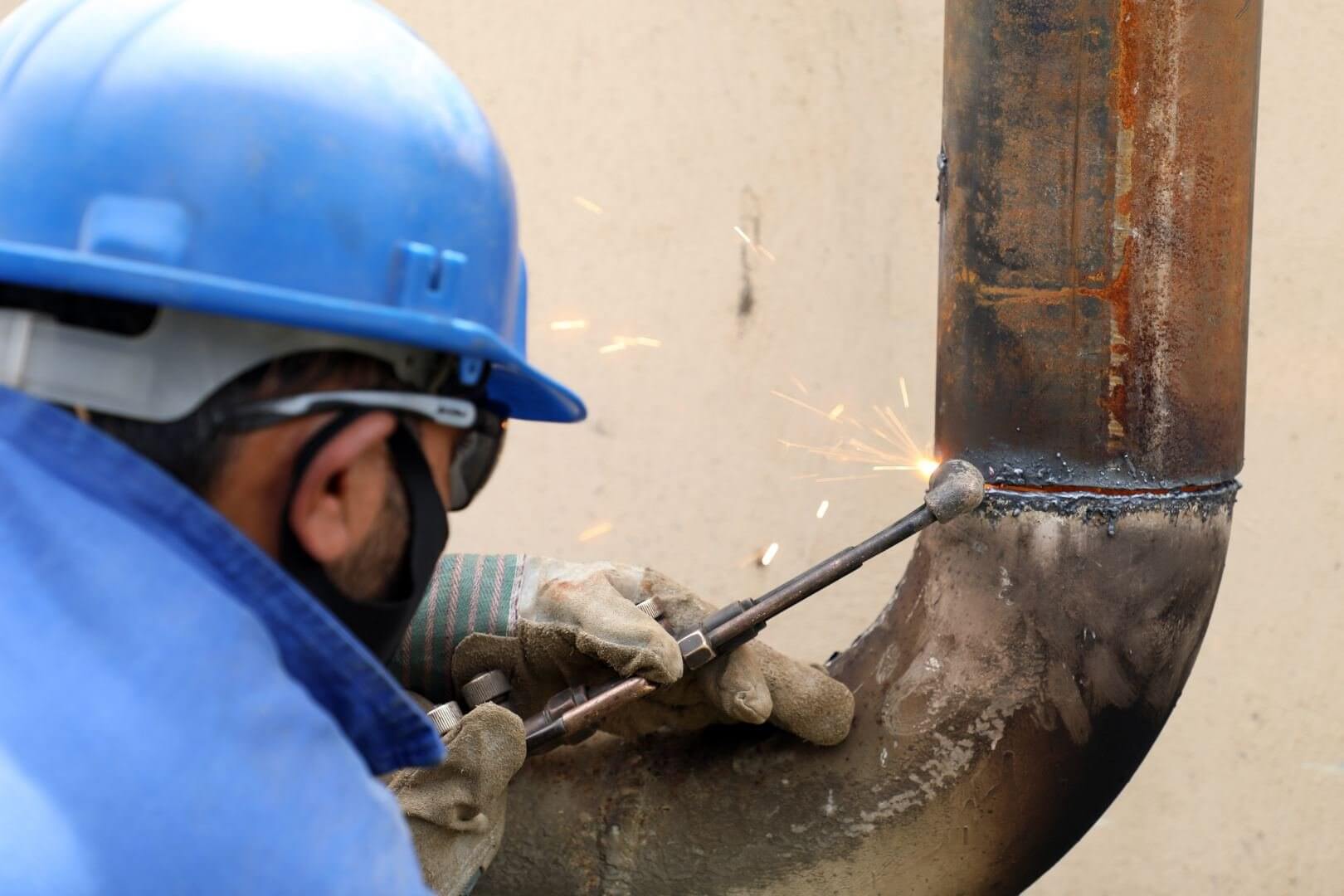
Gas utility workers face unique challenges during the transition from winter to spring. The thawing ground can cause pipes that were stable for months to shift, creating hidden risks for field workers. Weather changes do not only affect schedules; they alter how infrastructure behaves. These seasonal changes can make it difficult to predict when and where danger may occur, meaning that both planning and rapid response are essential to ensure everyone’s safety and maintain uninterrupted service.
By integrating artificial intelligence into safety protocols, raw inspection data and live conditions are transformed into actionable insights. AI does not simply record problems; it identifies patterns and enables teams to anticipate potential hazards and address them before they escalate. This helps safety managers and field teams eliminate information gaps that would otherwise force them to react to incidents instead of preventing them.
Eliminating Guesswork from Field Safety
Unexpected workplace changes make clear data essential. A pipe collapsing under melting snow may not show immediate damage, and pressure changes may go unnoticed during routine inspections. Even experienced crews working long hours in changing weather conditions may overlook signs of minor issues. This is where advanced AI comes into play, significantly enhancing the ability to monitor and predict safety risks.
Continuous Monitoring
AI systems collect data from sensors, inspection logs, and daily field inputs, allowing subtle changes to be detected before they develop into major problems.
Real-Time Hazard Detection
AI-powered alerts identify risks such as energized lines, confined space hazards, and fall risks, enabling proactive measures to be taken.
These systems provide a continuous flow of real-time data and intelligent analysis, keeping field teams informed about conditions that might otherwise go unnoticed. When every crew member understands where hazards may arise, everyone in the field can act with greater awareness and precision.
This real-time monitoring offers a dynamic view of field conditions, reducing the need for crews to retrace their steps and allowing them to address emerging issues promptly. Instead of relying on routine inspections to catch every problem, teams benefit from automated updates that guide them to inspect the right places at the right time.
Using AI to Make Smarter Safety Decisions
Supervisors no longer need to rely solely on spreadsheets or delayed field updates. AI-powered dashboards provide a live overview of ongoing work, reported issues, and areas requiring attention. This real-time data allows managers to see where teams are located, what tasks have been completed, and what hazards they are facing. As a result, resource allocation and emergency responses become more efficient.
Predictive Analytics for Risk Prevention
Identify hazards before they escalate, enabling proactive measures.
Automated OSHA Compliance
Ensure adherence to safety regulations through live tracking, helping to avoid fines and penalties.
These tools enhance decision-making confidence by providing real-time data to support quick and informed choices. Managers can detect patterns indicating rising risks, such as repeated near-misses in a specific area or accumulating equipment failures, and focus attention where it is most needed. They can also ensure compliance with regulatory requirements by tracking digital compliance logs that are updated after each field task.
By reducing the delay between hazard identification and corrective action, supervisors minimize the risk of minor hazards turning into serious incidents. The ability to track every action and issue alerts as they occur provides peace of mind for everyone—from crew members to regulators—by demonstrating adherence to safety standards.
Turning Everyday Data into Safer Decisions
The transition from winter to spring shows that stability cannot always be guaranteed. Gas utility operations require sharp awareness and rapid action, which can be difficult when conditions change unpredictably. AI provides tools to collect vast amounts of operational data and transform it into a clear situational overview for every team member.
Real-Time Monitoring
AI systems are always active, collecting data from various sources such as pipeline sensors, gauges, and meters, helping utilities monitor system conditions at all times.
Instant Alerts
When AI detects a problem, it immediately sends alerts to relevant personnel via computers, tablets, or smartphones, enabling rapid response.
By integrating AI into safety protocols, crews can spend less time reacting to issues and more time anticipating them, improving overall safety. Advanced analytics identify where safety improvements can be made and provide data-driven feedback for continuous training. This approach supports both experienced and new workers by giving them access to information they might otherwise miss due to limited experience or time constraints.
When AI systems are combined with user-friendly interfaces and mobile notifications, they enable field teams to respond instantly to dynamic threats. Additionally, maintaining a continuous digital record of alerts and interventions helps safety managers refine strategies, leading to ongoing improvements in protocols as new lessons are learned each season.
Partners