Innovations
How to choose the right gas meter?
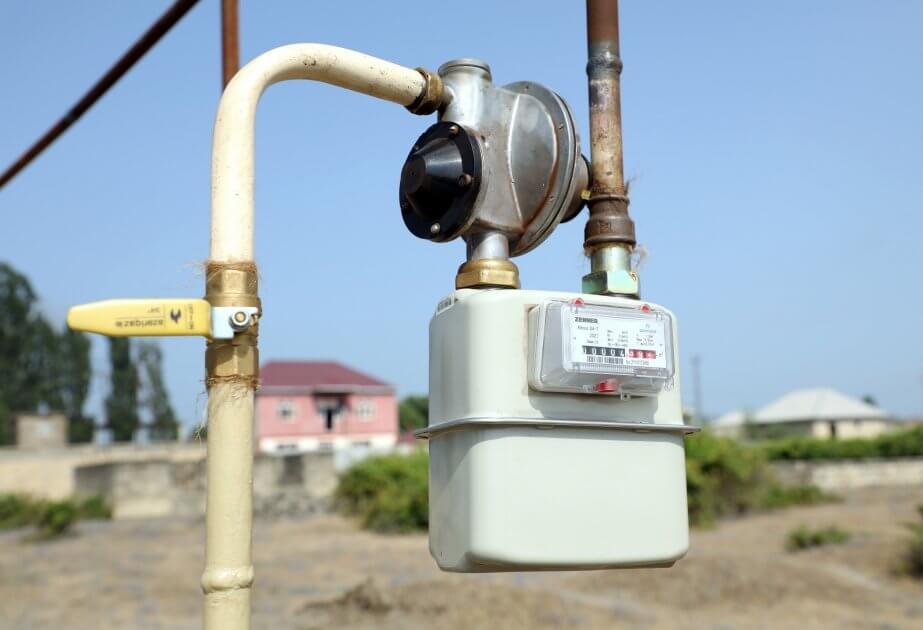
Choosing the wrong gas meter can lead to inaccurate billing, system inefficiency, and costly downtime.
Before making a decision, it is important to understand the type of gas, pressure requirements, and measurement accuracy. This guide outlines the key factors to consider when selecting the right gas meter.
The main factors when choosing a gas meter include gas type, operating pressure, flow range, accuracy requirements, installation environment, and maintenance expectations. Selecting the wrong meter can result in inaccurate readings and operational inefficiencies.
Understanding the Purpose of a Gas Meter
A gas meter measures the volume of gas consumption to ensure accurate billing and safety. The type of meter you need depends on whether it is intended for residential, commercial, or industrial use.
Types of Gas Meters and Their Applications
1. Diaphragm Gas Meters
Best for low and medium gas consumption, typically used in:
• Residential buildings and condominiums
• Small restaurants, cafés, and food courts
• Light commercial environments
• Capacity: 2.5 m³/hour – 10 m³/hour
• Performs best under low gas pressure
2. Turbine Gas Meters
Ideal for high gas usage in commercial and industrial sectors:
• Factories, manufacturing facilities, and industrial zones
• Hotels, hospitals, and large kitchen operations
• Large-scale commercial spaces
• Capacity: above 16 m³/hour
• Designed for use under high gas pressure and heavy-duty conditions
One of the most important factors in selecting a gas meter is its capacity. The correct meter must be able to handle the maximum flow rate required by all gas-powered appliances in the building.
Pipe Size Compatibility
The size of gas pipes directly affects meter compatibility. Different meters require different pipe sizes:
• Diaphragm meters – Work with smaller gas pipes, making them suitable for homes and small businesses.
• Turbine meters – Require larger gas pipes to accommodate higher flow rates used in industrial applications.
How to Calculate Gas Meter Capacity:
1. List all gas-powered appliances and their individual consumption rates.
2. Add up the total gas consumption per hour.
3. Choose a gas meter with a slightly higher capacity than your total demand to prevent underperformance.
Why Capacity Matters:
• A gas meter that is too small may restrict gas flow, causing appliances to malfunction.
• A properly sized gas meter ensures efficient gas supply and reduces pressure fluctuations.
Understanding Different Gas Types and Meter Compatibility
Gas meters must be compatible with the type of gas supplied in your area. Different gas compositions include:
• Natural Gas (NG)
• Liquefied Petroleum Gas (LPG)
• Pipeline gas
• Fuel gas
• Digester gas
If you are unsure about the type of gas used in your region, consult your gas supplier or a gas meter specialist before purchasing a meter.
Final Thoughts on Choosing the Right Gas Meter for Your Needs
Selecting the right gas meter is essential for efficient gas consumption and long-term cost savings. Whether you need a diaphragm meter for residential use or a turbine meter for industrial operations, following these guidelines will help you make an informed decision.
Partners