Innovations
Can Smart Meters Detect Gas Leaks Faster?
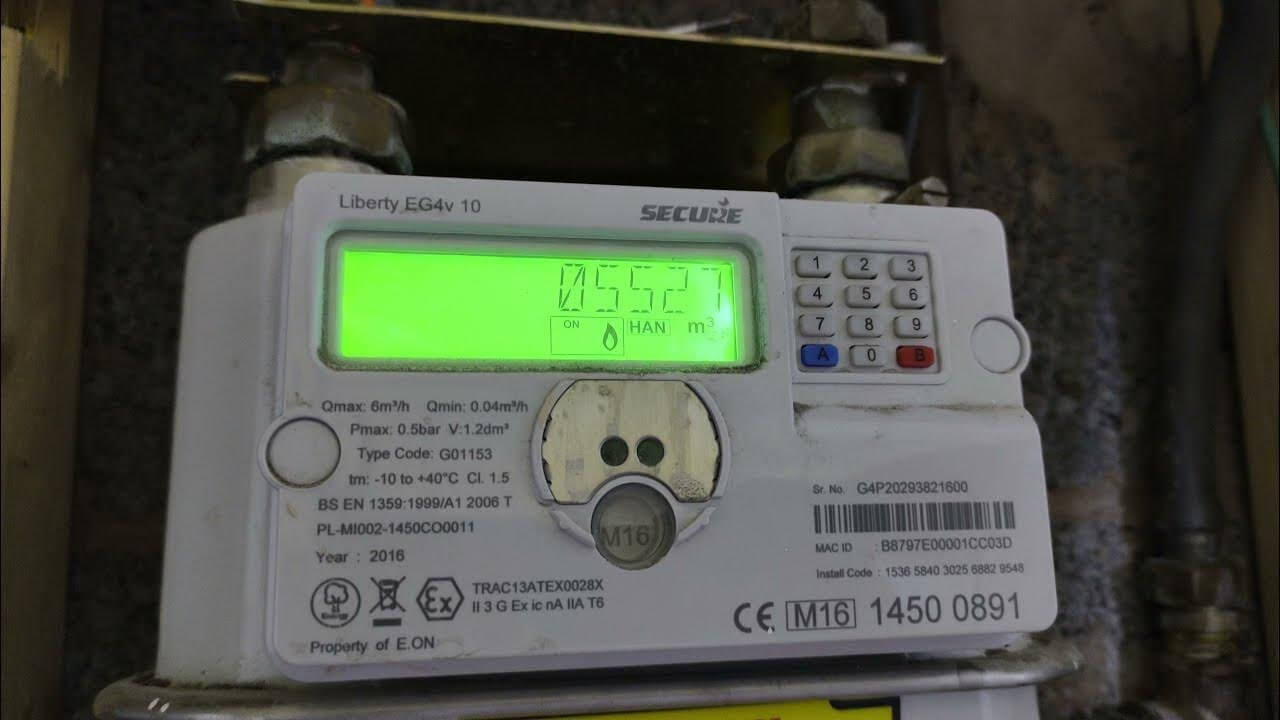
Protecting against the dangers caused by gas leaks is extremely important in both residential and industrial sectors.
The use of natural gas is very common in homes for cooking and heating appliances, but it can also lead to serious problems. These problems include the risk of leaks in the gas supply, which can cause explosions, fires, and poisoning due to the accumulation of carbon monoxide. Since natural gas has no significant smell or color, detecting leaks is often difficult.
Early detection of leaks is essential. Detecting leaks in advance allows them to be resolved easily and prevents serious issues such as property damage, injuries, and risk of death. Nowadays, along with traditional methods, modern technologies are also used to detect leaks in gas pipelines.
New modern technologies have introduced smart meters that, along with improved leak detection systems, provide greater reliability. In this blog, we will try to explain how smart meters are energy-efficient and provide greater safety against leaks.
What Are Smart Meters?
A smart meter is an electronic device that detects the amount of gas and electricity used, processes the data, and then transmits it to the supplier. Unlike older meters, where data had to be collected and processed manually, smart meters automatically convert and process data and can transmit it via telecommunications, making life easier.
Smart meters have specific features to detect the amount of gas used, including:
Real-Time Monitoring
The amount of gas used is detected instantly each time, allowing a complete pattern of gas usage to be available.
Remote Readings
There is no need for meter readers to visit your property. Data is automatically sent to the supplier, reducing the chances of missed readings or estimated billing. Since data is processed automatically and transmitted to the supplier, manual readings are no longer required. The risk of errors or misreading is minimized.
Usage Analytics
Gas usage is analyzed comprehensively and detailed information is provided to consumers. This allows them to reduce gas consumption. The main purpose of using smart meters is to ensure safety, accurate pre-processed billing, and sustainability. When there is an increase in gas consumption, it can be easily detected, and information that may indicate potential risks caused by leaks is communicated to consumers.
How Gas Leaks Are Usually Detected
In both residential and commercial settings, leaks in gas supply are detected through smart meters as well as traditional detection methods:
Smell (Odorization)
Natural gas has no smell, but substances are added to it, such as mercaptan, which gives it a rotten egg odor that is easily recognizable. However, this method still depends on a person having a fully functional and healthy sense of smell.
Manual Inspections
During regular inspections of gas pipelines, residents or property owners may detect a leak. However, inspections are carried out periodically, so leaks may not be detected early.
Alarms and Sensors
Devices that detect natural gas or carbon monoxide can identify potential leaks when gas levels are high. These devices are more accurate than human instincts, but their effectiveness largely depends on system quality and maintenance.
Can Smart Meters Directly Detect Gas Leaks?
Most people consider smart meters to be leak detectors. However, this is not entirely correct, as the system does not directly sense increases in gas levels. Sensors are used to detect air quality, while smart meters use data only to identify unusual activity. They detect and analyze the flow rate of gas through pipelines but cannot measure air quality directly.
Smart meters can only indicate a gas leak through differences in average gas usage data. A sign of a leak may be a continuous increase in gas usage when no appliances are being used. This can be explained by the system showing continuous gas consumption even when no one is at home, indicating that there may be some type of leak.
Smart meters are a source of predictive awareness, but they still cannot replace physical leak detection sensors. When meters are integrated with other household systems, it becomes possible to detect leak risks and address issues before they turn into emergencies.
Conclusion
Since smart meters do not directly detect gas leaks, they rely on stored data to identify potential risks, helping to prevent hazards. Monitoring gas usage helps detect any issues in pipelines or gas supply and provides timely information to all relevant parties. As problems are resolved at early stages, risks such as fires, explosions, and poisoning caused by carbon monoxide are eliminated.
In addition, integrating smart meters with other home systems has made them more efficient and safer for detecting leaks. Fast data transmission, pre-processing of information, and the use of artificial intelligence in these systems make them a highly useful safety measurement tool that helps prevent any dangers arising from faulty gas installations in homes.
Partners