Innovations
Gas Pipeline Installation: 11-Step Process and Guidelines
What is a Gas Pipeline?
A gas pipeline is a network of long and durable pipes. This system is used to transport gas over a wide area. You can use a gas pipeline to transport gas either underground or above ground. It is a safe way to deliver gas to end users in buildings, offices, factories, or enterprises.
How to Install a Gas Line? Pipeline Installation Procedure
Gas pipeline installation is a dangerous process. Since gas is flammable and even small leaks can cause fire or explosions, you must follow proper steps and strict safety regulations when installing a gas pipeline.
1. Prepare the Project and Pipeline Routes
You must mark the route where the gas pipeline will be installed. For proper planning, you can check obstacles such as roads, buildings, trees, and other utilities. Then clearly mark the route on the ground. With a clear plan, you can install the pipeline safely and without errors.
2. Obtain Pipeline Clearance
Before starting work, you must obtain official approval from the gas company. The company will review your planned route and ensure it is safe. You should clearly inform them how you will use the gas, such as for cooking, a water heater, or a wall-mounted boiler. If you are a commercial user, you can provide approximate information about the scale. Gas company staff will record your details and take your contact information, then explain the next steps. This way, you comply with legal regulations and prevent accidents.
4. Site Preparation
At this stage, you must prepare the site before installing the pipeline. Ensure the ground is level and safe to work on. Always keep the work area marked and restricted to prevent accidents. You can install warning signs and barriers for this purpose. Workers or engineers must wear personal protective equipment such as reflective clothing and safety helmets. Also check all tools and machinery before use.
4. Pipeline Excavation
Pipeline excavation is the process of digging a trench for the gas pipeline. You must dig carefully along the planned route. Make sure the trench has the correct depth and width. You can use machines such as excavators for faster digging. For small or narrow areas, hand tools like shovels are a better option. Additionally, it is important to remove stones and debris to ensure pipeline safety. Always follow safety rules and keep your work area clean.
5. Pipe Cleaning, Anti-Corrosion, and Painting
One of the important steps before pipeline installation is protecting the pipes. For example, if you see rust, you must first clean the pipes. Then you can apply an anti-corrosion coating to prevent future rusting. Finally, you should paint the pipes for additional protection. These steps make the pipeline strong and long-lasting. Workers should wear gloves and masks when working with paint or coatings.
6. Pipe Welding / Electrofusion Joint
Now it is time to join the pipes. There are two main methods: welding and electrofusion. In welding, you heat the ends of the pipes and fuse them together, creating strong and permanent joints. If you choose the electrofusion method, you use special fittings with internal heaters. Basically, the fitting melts when electric current passes through it and bonds the pipes together.
7. Pipe Laying
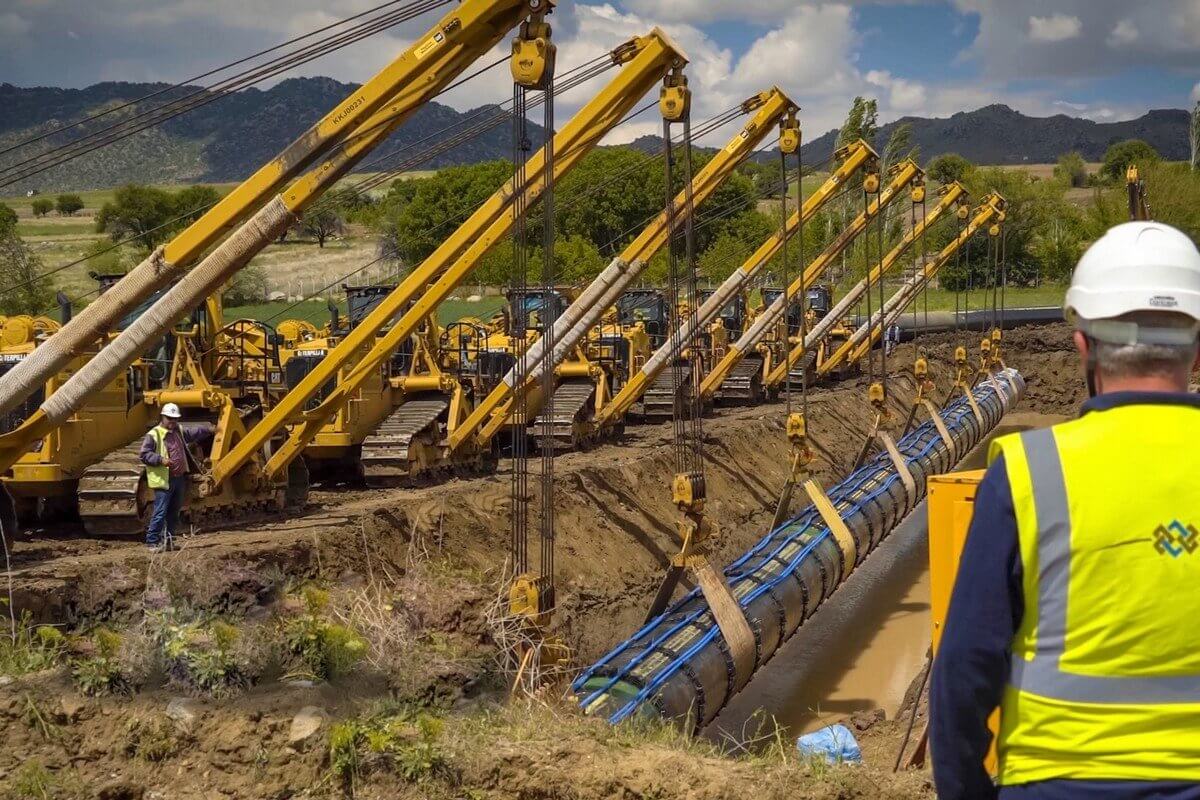
Now you can place the pipes into the trench. Each pipe must be positioned along the planned route. Make sure the pipes are aligned straight and correctly. If necessary, you can use supports to keep them stable. Do not bend, drop, or hit the pipes, as this can cause damage. Additionally, you can leave small gaps for expansion and ensure the pipeline is laid along a slope for proper drainage.
8. Backfilling the Pipes
Once the pipes are in place, it is time to cover them. First, you can add a layer of soft sand or fine soil around the pipes to protect them from stones and sharp objects. Then fill the trench in layers. Never forget to gently compact each layer to keep the pipes stable. This is important because proper backfilling prevents damage and keeps your pipeline safe for years.
9. Installation of Valves and Accessories
You must install additional components such as pressure regulators and clamps. Valves allow you to control and shut off the gas when needed. You can also install meters or fittings to ensure the system functions properly. Each component must be installed carefully, and you should check for leaks.
10. Pipeline Cleaning
Pipeline cleaning means removing dust and debris inside the pipes. You can use air or nitrogen to do this safely. This ensures the pipeline is safe before gas enters it and reduces the risk of leaks or accidents.
11. Strength Test or Air Tightness Test
You must test the strength of the pipeline to ensure it can withstand pressure without leaks or breaks. To do this, you can fill the pipeline with air or water. Then increase the pressure to the required level. If the pressure remains stable, it indicates that the pipeline is strong and secure.
Partners