Innovations
Types of Gas Pipes Used for Installation
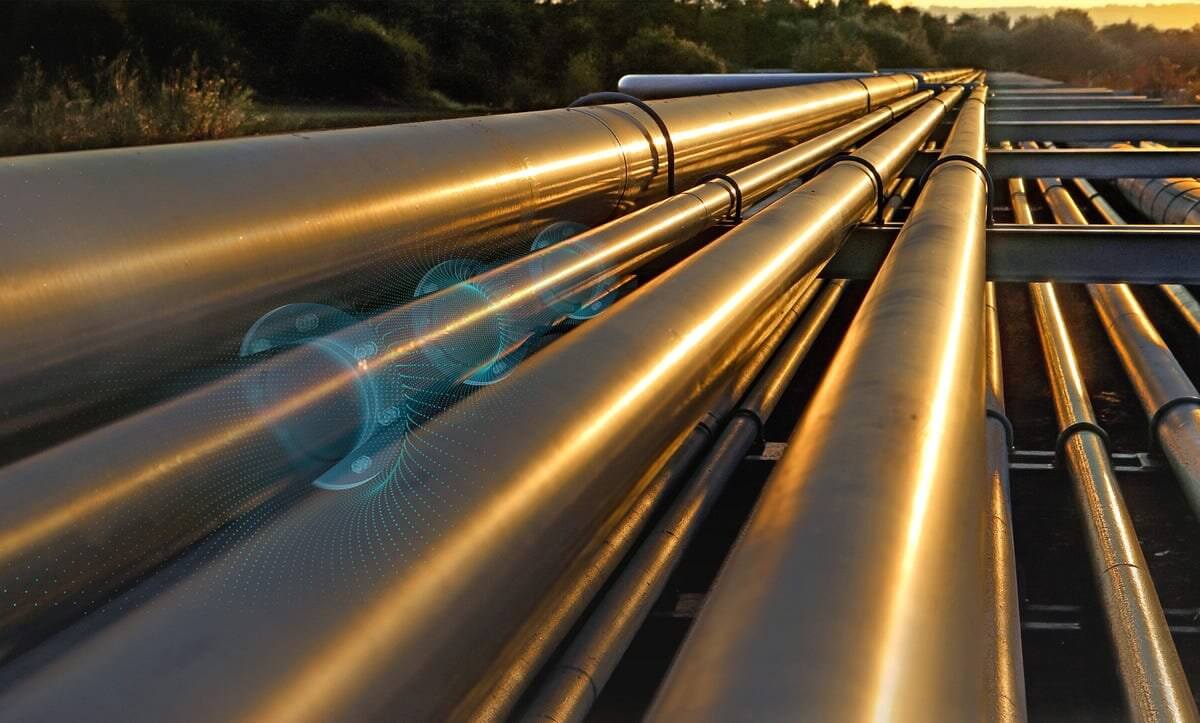
There are various types of pipes that you can use for gas pipelines.
Each type has its own characteristics, materials, strength, and suitable application areas.
Gas Pipe Installation Rules
As mentioned, installing a gas line is a risky process. Therefore, you must follow certain strict rules and safety standards.
• You must choose the correct pipe size. This will determine the gas flow and ensure all your devices receive enough gas to function properly.
• Always use certified pipes, fittings, pipe wrenches, and valves. They must also comply with industrial safety standards.
• It is also important to use the correct tools for cutting pipes.
• During the installation of a new gas line, you must keep the main gas valve turned off.
• Only trained and licensed professionals should be involved in gas pipe installation.
How Does a Gas Pipeline Work?
Gas pipelines transport gas from the supply source to your home or building. During operation, valves and regulators control the flow and pressure of the gas. The pipeline delivers gas safely and efficiently for cooking or other purposes.
Who installs gas lines?
Generally, trained and licensed specialists install gas lines. These professionals understand safety regulations and proper installation techniques. Therefore, they ensure that the pipeline operates safely for residential and industrial purposes.
Installation of a gas pipeline for a home
A home gas pipeline provides you with a safe and stable gas supply for cooking and other household tasks. It connects your home to the main gas network. With proper installation, you will have safe and reliable energy for daily use.
Expected lifespan of a natural gas pipeline
Natural gas pipelines are designed to last for many years. However, everything depends on how they are installed and maintained. Generally, the lifespan of a gas pipeline is about 50 years.
However, with high-level protection and quality materials, they can remain operational for up to 80 years. Also note that older cast iron pipes should be replaced sooner. In contrast, plastic pipes last longer and do not rust.
When should gas lines be replaced?
If there are signs of damage or leakage in gas lines, they need to be replaced. For example, cast iron or steel pipes may deteriorate faster (after more than 20 years). If you notice signs such as a rotten egg smell, hissing sounds, or malfunctioning appliances, you may need to install new gas pipes.
How much does a gas pipeline cost?
Gas pipelines cost on average about $5.75 million per mile. The cost of a gas pipeline depends on many factors. These include the length of the pipe, type, chosen installation method, and local labor costs. Other factors such as permits and safety equipment also affect the total price.
Frequently Asked Questions
Can I install a gas pipe myself?
No, you should not install gas pipes yourself. This is because gas pipe installation is dangerous and requires licensed professionals. Improper installation can lead to fires or explosions. Therefore, you should always hire experts.
What is the longest gas pipeline in the world?
The longest gas pipeline in the world is the West-East Gas Pipeline located in China. It is over 8,700 kilometers (approximately 5,400 miles) long. This pipeline transports natural gas from western China to eastern regions.
Conclusion
In short, you should remember that gas pipeline work requires skill and proper methods. By following all the steps mentioned above, you can keep your property and family safe. As a result, your gas system will operate smoothly for many years.
If you have any confusion, you can contact our specialists to receive professional guidance and information about safety products.
Partners