Innovations
Natural Gas Fields in Vietnam
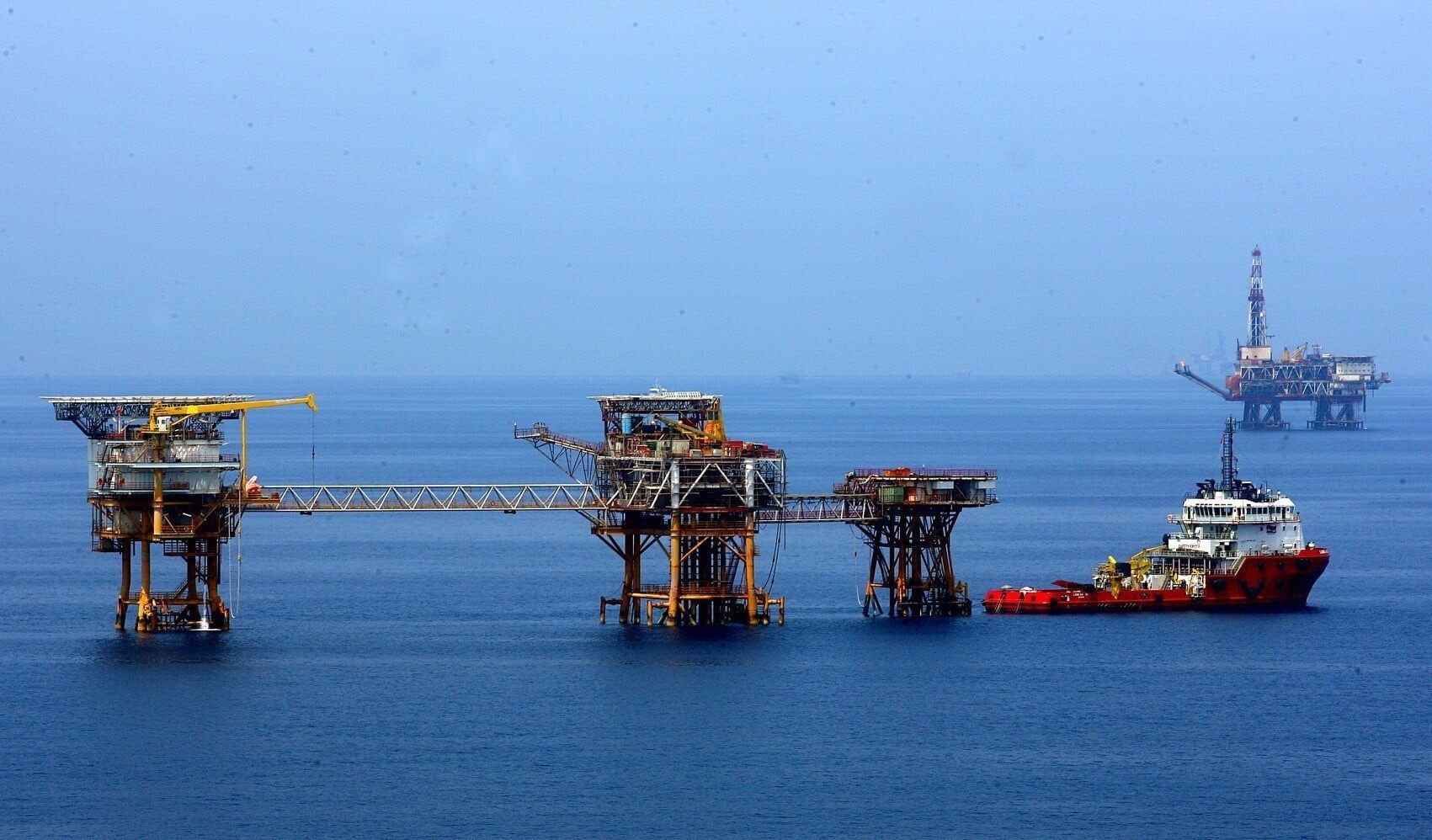
Natural gas fields in Vietnam play an important role in energy supply for economic development and meet the needs of industrial sectors.
Vietnam has many potential areas for natural gas production, and gas fields are found both onshore and offshore. Thanks to gas extraction activities, Vietnam has achieved significant progress in the energy industry and has actively contributed to the country’s economic development.
Natural gas fields in Vietnam, along with their potential and development opportunities, also face challenges and requirements related to management and environmental protection. To ensure safety, environmental protection, and sustainability in the use of this natural resource, natural gas extraction must be carried out in accordance with regulations and standards. In this blog, we will learn more about natural gas fields in Vietnam.
1. Where is natural gas mainly located?
Vietnam has many regions with their own potential and characteristics for natural gas exploitation. The following are important regions and natural gas fields:
1.1. Northern region:
Gulf of Tonkin: Located in the northern sea, this area contains many important natural gas fields such as Tien Hai, Ham Rong, and Hong Ngoc. These fields contribute significantly to Vietnam’s natural gas supply.
1.2. Central region:
• Dung Quat: Located in Quang Ngai province, the Dung Quat natural gas field is one of the most important fields in Vietnam. It is exploited from sedimentary rock layers in the sea opposite the Tra Khuc River.
• Ca Voi Xanh: Located about 88 km east of the central sea, in the Chu Lai Open Economic Zone, the Ca Voi Xanh gas field has very large reserves. It is considered one of the largest gas fields in Vietnam.
• Ken Bau: Located about 65 km from Quang Tri, the Ken Bau field has been exploited since 2019 and is one of the historic discoveries contributing to the development of the oil and gas industry.
1.3. Southern region:
• Nam Con Son: Located in the Gulf of Thailand, Nam Con Son is the largest gas system in the south, consisting of many gas fields such as Lan Tay, Lan Do, Rong Doi, and Rong Tay. It contains a significant amount of gas and contributes greatly to Vietnam’s natural gas supply.
• Ca Mau: Located in Ca Mau province, the Ca Mau gas field is one of the largest and most important contributors to Vietnam’s natural gas supply.
In addition, there are many other areas with potential for natural gas exploitation, but they are still in the exploration and research stage.
2. Natural gas fields in Vietnam
Vietnam is a country with rich potential in natural gas, where many important gas fields are exploited and utilized.
1. Bach Ho gas field: Located in the Gulf of Tonkin, the Bach Ho gas field is one of the largest gas fields in Vietnam. With estimated reserves of about 400 billion m³, it contributes significantly to the country’s natural gas supply.
2. Mat Troi Do gas field: Located in the northern sea, the Mat Troi Do gas field is another important field. It plays a major role in meeting Vietnam’s energy needs, with reserves estimated in the billions of cubic meters.
3. Dung Quat field: Located in Quang Ngai province, the Dung Quat gas field is a notable natural gas field. With estimated reserves of about 90 billion m³, it has significantly contributed to Vietnam’s gas supply.
4. Nam Con Son gas field: Located in the Gulf of Thailand, the Nam Con Son gas field is the largest natural gas field in Vietnam. Its estimated reserves are in the hundreds of billions of cubic meters and it plays a key role in the country’s gas supply.
5. Ca Mau gas field: Located in Ca Mau province, the Ca Mau gas field is another important field. With estimated reserves of about 150 billion m³, it plays a vital role in meeting Vietnam’s energy demand and supporting economic development.
In addition, Vietnam also has several other natural gas fields such as Rach Viet, Nui To, and Southwest Con Dao. These fields also have significant gas reserves and contribute to the country’s supply.
However, to fully benefit from natural gas, it is necessary to invest in modern extraction technologies and strict environmental management. At the same time, exploring and developing new gas fields remains a challenge for Vietnam. The sustainable development of the natural gas industry will make a significant contribution to the country’s energy and economic growth.
Partners