Innovations
5 types of natural gas pressure reducing regulators
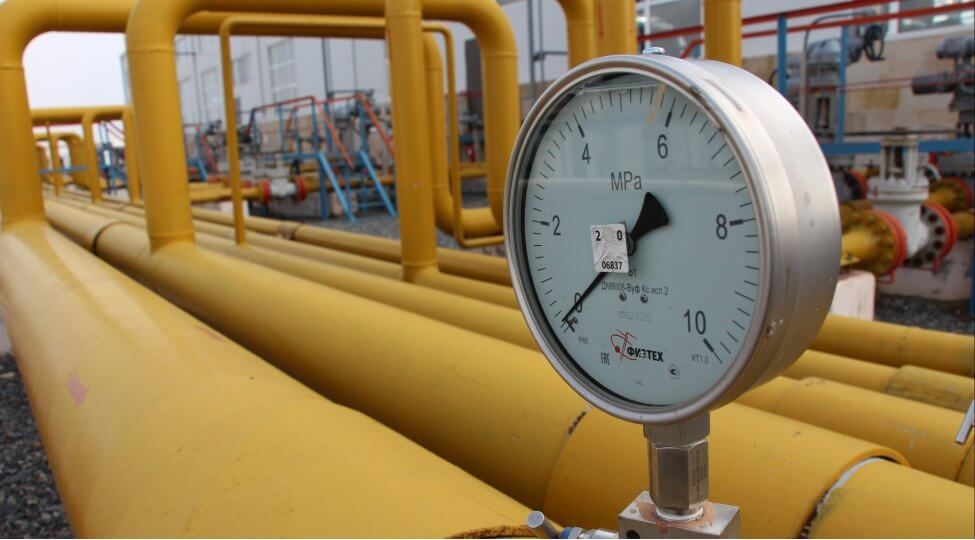
There are many different types of equipment and devices that require pressure regulators to maintain constant control over pressure levels.
Natural gas regulators are an essential part of equipment that ensures proper gas flow and operation of the device or equipment while protecting it from excessive pressure. Gas regulators generally fall into one of two categories: pressure reducing regulators or back pressure regulators. Below, we will explain the basics of the various types of natural gas pressure reducing regulators.
About Pressure Reducing Regulators
Before pressure-sensitive equipment, a pressure reducing regulator is installed at the front of the system. This valve is usually open and is used to reduce or control higher pressure levels that could cause problems. Using a pressure reducing regulator ensures a steady gas flow at a predetermined rate, which increases safety and makes the process more predictable. Pressure reducing regulators are often used in gas compressors for control or gas recirculation.
Most pressure reducing regulators are tested and certified, so you can be confident in their safety and that they will deliver the required results.
Types of Natural Gas Pressure Reducing Regulators
Appliance Regulators
Those who design or repair appliances are likely looking for appliance regulators. These are natural gas regulators used in residential, commercial, and industrial gas installations of various sizes. Appliance regulators are the last in the line of regulators and are therefore responsible for controlling very small, precise gas flows for pilot loads. In larger industrial equipment, these regulators can still handle large gas flows for main burners.
Line and Service Regulators
Often, the next regulators are installed before the appliance, regulating the supply line serving the device and ensuring ideal inlet pressure. In addition to natural gas, these regulators are used for all types of non-corrosive gases. For your natural gas purposes, you can obtain a ready-to-use line or service regulator for residential, commercial, or industrial settings.
When choosing a line or service regulator, look for ones with features appropriate for your application, such as built-in relief valves, valves designed for use in unventilated and enclosed spaces, etc.
Pilot-Operated Regulators
If you work with high-capacity natural gas and want to maintain it under high pressure while minimizing output pressure drop, pilot-operated regulators are suitable for your applications. The pilot regulates the pressure in these regulators, and they operate with high accuracy. Technically, these are two independent regulators combined with a smaller pilot. They operate using the pressure differential within the regulator.
Direct-Acting Regulators
The purpose of direct-acting regulators is to enhance performance. Due to their balanced design, they are not sensitive to changes in inlet pressure. They work with high capacities and respond quickly to load changes. Installation will also require a downstream sensing line.
High-Pressure Regulators
As the name implies, high-pressure regulators are intended for high-pressure applications. They can be used for compressed gases, corrosive gases, and non-corrosive gases, making them an excellent choice for a wide range of applications. It is particularly important to select a high-pressure regulator with the proper certification for your intended use.
What about Back Pressure Regulators?
Back pressure regulators also manage pressure levels, but their role is slightly different from pressure reducing regulators. A back pressure regulator is typically installed downstream of another regulator and is intended to reduce excess pressure if the main regulator fails. A normally closed back pressure regulator is used to maintain stable outlet pressure when inlet pressure increases significantly.
Therefore, the choice between a pressure reducing and a back pressure regulator depends on the specifics of the situation. If balanced pressure is required for a particular application, it is possible to use both types.
In Conclusion
Appliance regulators, line and service regulators, pilot-operated regulators, direct-acting regulators, and high-pressure regulators represent all types of pressure reducing regulators used in natural gas distribution. Some are more suitable for specific applications, but all perform the function of maintaining stable outlet pressure at certain points in a distribution system. As for back pressure regulators, they are used to protect the system by venting excess pressure if the main regulator does not close.
Partners