Innovations
Can a gas regulator be installed in a vertical position?
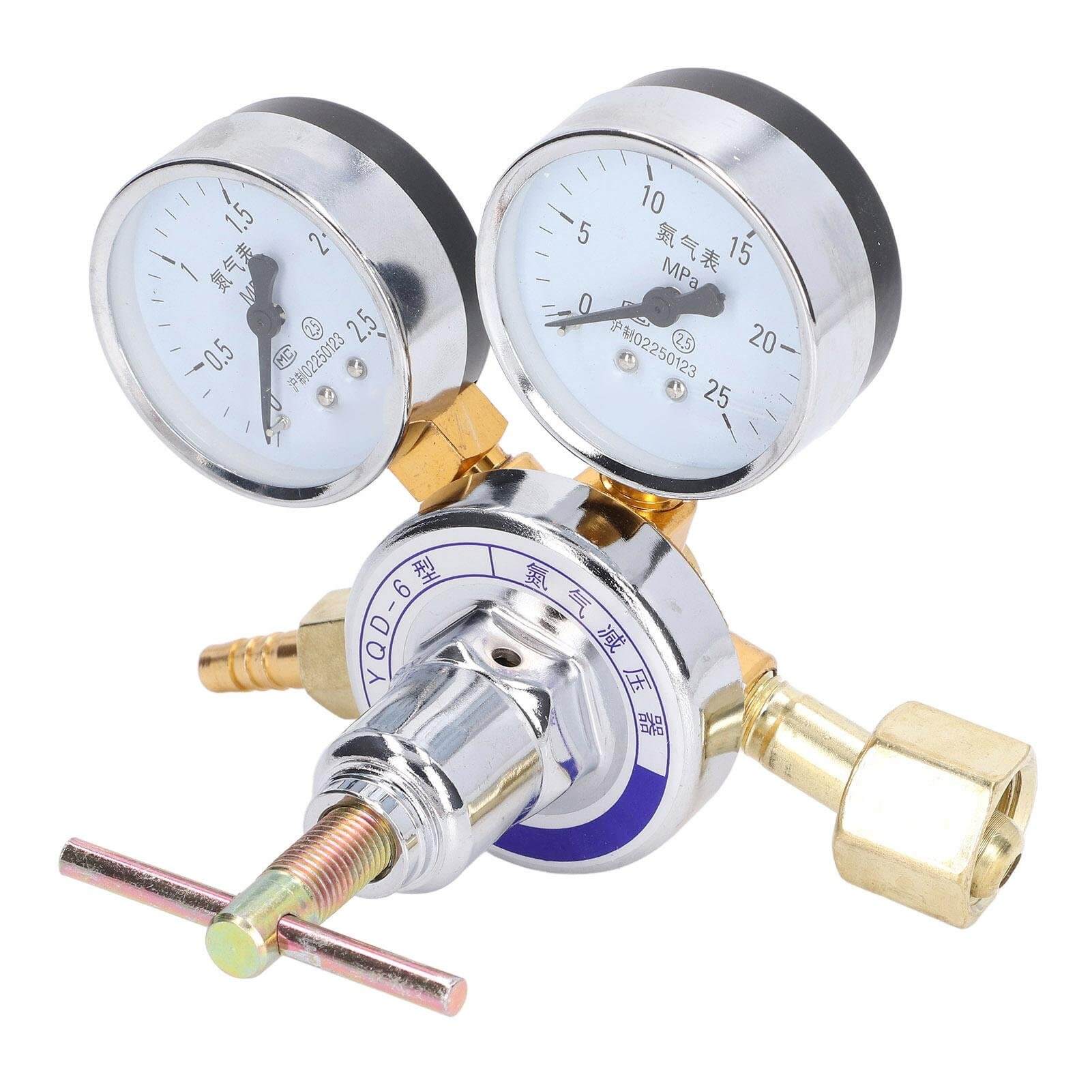
The gas regulator and shut-off valve are the most important components of any gas meter.
Proper installation and ventilation of gas meters in accordance with local or federal ventilation requirements are important aspects for your upstream or downstream equipment or applications. Keep reading to learn more about the orientation of the gas regulator and ensure efficient and correct installation.
Tips for Installing a Gas Regulator
Whether you are working with a appliance regulator, line or service regulator, direct-acting regulator, high-pressure regulator, pilot-operated regulator, or another type of device, knowing how your gas regulator works plays a key role in making the right installation decisions. Another important aspect of installing a gas regulator is following the manufacturer’s instructions. Pay attention to the required number of pipe diameters, upstream and downstream flow, as well as any special installation instructions.
- Depending on the required angle modification for the gas inlet manifold, the regulator may be positioned horizontally or vertically, but it should never be inverted. Preferably, install the regulator on the inlet manifold and the shut-off valve on the gas supply line.
- Although most regulators allow multi-position installation, vertical installation may be required for ventilated regulators.
- When using restricted ventilation devices, installation must be either horizontal or vertical.
- Propane regulators should be oriented downward, covered and protected, or require an attached adapter that directs the vent downward.
Ensuring Safe and Effective Ventilation
An extremely important part of gas regulator installation is ventilation. Ventilation mainly allows the diaphragm inside the regulator to “breathe.” If the diaphragm ever fails or ruptures, ventilation provides a path for gas to escape to the atmosphere and serves as a safety measure for your gas meter applications.
Therefore, it is important to clear the regulator’s vent from any water, insects, snow, debris, or other foreign objects that could block ventilation. When installing a new gas regulator, consider the following:
- Avoid long distances — when running ventilation lines, avoid excessive lengths and overuse of fittings. Also, do not reduce the recommended diameter of the regulator’s vent pipe.
- Consider adverse weather — take extra precautions in bad weather. Directing the vent outlet above and below potential snow or water lines can help prevent accidents.
- Keep insects away — install a screen over the vent outlet. This prevents insects or nests that could block ventilation.
- Account for snow accumulation — if your application’s vent extends to the upper part of a building, ensure the line is clear of potential snow accumulation on the roof.
- Keep away from clean air sources — plan vent pipes so that air outlets are not too close to clean air intakes or windows.
- Protect your equipment from water — if regulators are in areas prone to flooding or water exposure, consider installing a special flood-protected vent. This adds an extra protective layer, slows wear, and prevents corrosion.
Get Professional Support for Gas Regulator Installation
Installation, operation, and maintenance of a gas regulator should always be performed by a qualified gas technician. In most cases, a gas regulator can be installed vertically as long as the flow moves from the inlet to the outlet (as indicated by the arrow on the body). However, technicians will take an extra step to ensure precise placement so the pilot cap vent remains unobstructed. This also prevents debris, dirt, or rain from entering the cap.
After installation, technicians will periodically check the regulator’s operation and immediately detect any damage or wear. This is especially important in applications with overpressure issues.
Contact Enermus
If you are looking for a natural gas regulator that can be installed vertically for a specific application, the qualified technicians at Enermus can help. We offer expert advice on regulator installation, selection, sizing, design, and maintenance. We are also experts in the distribution of gas valves and meters across various sectors, including HVAC, industrial, propane, and combustion markets.
Partners