Innovations
What Is a Natural Gas Valve?
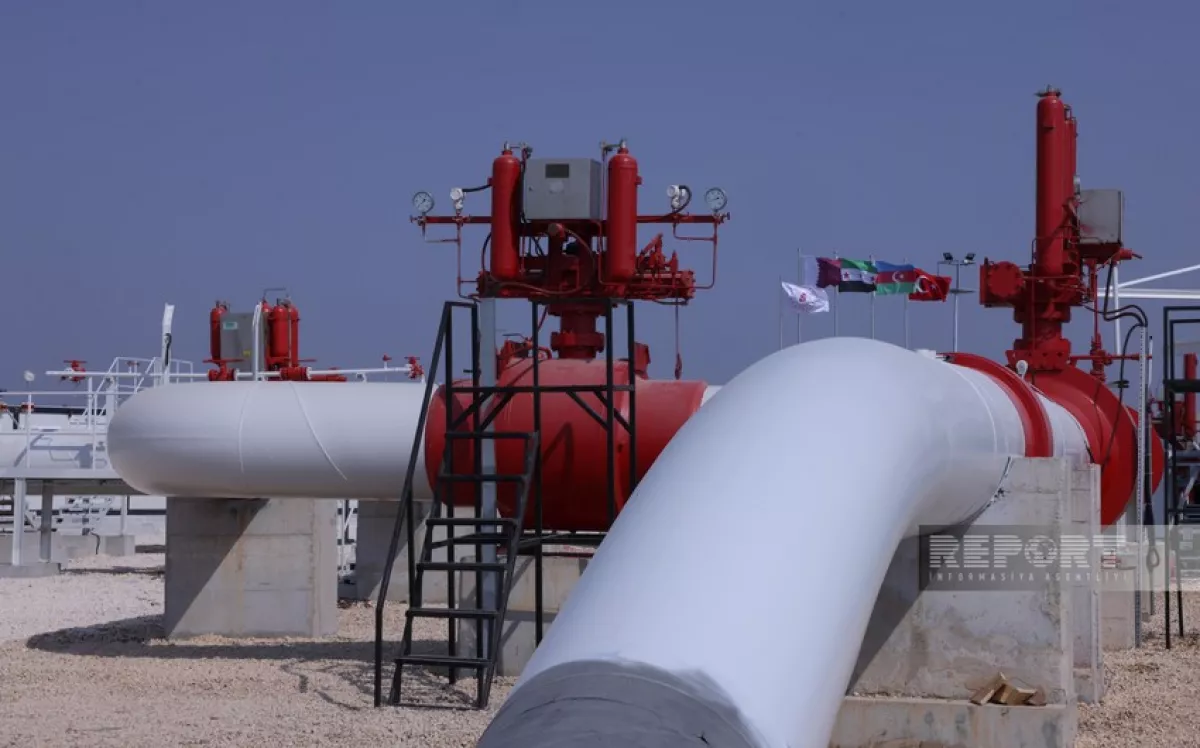
Natural gas valves are devices designed to regulate, direct, and control the flow of gas.
Their main function is to open, close, or partially shut off the flow of natural gas, ensure its delivery to the desired location, and provide safety by stopping the gas flow when necessary.
One of the primary functions of natural gas valves is to ensure safety by quickly shutting off or restricting the gas flow.
In emergency situations or gas leaks, valves can rapidly stop the gas flow and prevent potential hazards.
They also allow control over natural gas consumption and enable energy savings by completely shutting off the gas flow when it is not needed.
Uses of Natural Gas Valves:
• Homes and Businesses: Natural gas valves are used to control gas usage in homes and workplaces.
They are used to regulate or shut off the gas flow in gas-powered appliances such as stoves, boilers, heating systems, and water heaters.
Main valves are usually installed at gas connection points for emergency situations and maintenance purposes.
• Industrial Facilities: Natural gas is widely used in various industries such as energy production, chemical and plastic manufacturing, food production, and oil and gas processing.
In these facilities, natural gas valves are used to control gas flow, direct it, and ensure safety.
Valves are located at critical points of natural gas systems and technological equipment within facilities.
• Infrastructure Projects: Natural gas valves play an important role in urban gas distribution pipelines and infrastructure projects.
They regulate and control gas flow within these systems.
In addition, safety valves are installed at gas connection points to quickly shut off gas flow during emergencies.
Automatic Valves and Their Operating Principles:
Automatic valves are self-operating devices that function based on factors such as changes in pressure, temperature, or flow.
They are commonly used in applications such as safety valves for hot water systems or boilers.
The operating principle of automatic valves is based on the movement of a diaphragm or piston inside them when a certain pressure or temperature value is reached.
This movement either opens or closes the valve.
For example, in a hot water system, a safety valve activates the diaphragm to stop the gas flow when excessive temperature occurs, ensuring the safety of the system.
Types of Natural Gas Valves:
There are various types of natural gas valves depending on their intended use and functionality.
Below are some widely used types:
Shut-Off Valve:
Shut-off valves are simple and widely used valves designed to completely stop the gas flow.
They are usually located at main gas connection points and can quickly shut off the gas flow during emergencies or maintenance work.
Gate Valve:
Gate valves control gas flow by moving a gate or disc up and down.
They have a simple and effective design and are commonly used in gas pipeline systems.
Butterfly Valve:
Butterfly valves control gas flow by rotating a disc mounted on a shaft.
The disc aligns with the valve opening to allow or block gas flow.
Butterfly valves are preferred because of their ability to open and close quickly.
Ball Valve:
Ball valves operate using a spherical disc that aligns with the valve opening to allow or block gas flow.
They are suitable for high-pressure applications and provide reliable sealing.
Control Valve:
Control valves are used for precise control of gas flow.
They usually respond to changes in pressure, temperature, or flow within the gas pipeline system.
Control valves can operate automatically and ensure the desired gas flow level in natural gas systems.
Safety Valve:
Safety valves automatically activate when a certain pressure or temperature limit is reached and shut off the gas flow.
They are used to ensure safety in gas systems during excessive pressure or temperature conditions.
These are just a few of the widely used types of natural gas valves.
Valves may have different designs and features depending on their specific applications and compliance with safety standards.
Selecting the appropriate valve type is extremely important to meet application requirements and safety standards.
The Importance of Natural Gas Valves in Gas Pipeline Systems:
Natural gas valves play a significant role in gas pipeline systems by ensuring gas flow regulation and safe gas distribution.
Main valves are present at gas connection points, allowing rapid shutdown of gas flow during emergencies or gas leaks.
Natural gas valves also enable control over gas consumption.
In homes or businesses, valves are used to regulate gas usage based on specific time periods or needs.
This helps save energy and ensures efficient use of natural gas resources.
Regular maintenance and periodic inspections of gas pipeline systems are important for natural gas valves.
This ensures their proper operation and maintains safety.
Regular valve inspections help detect potential hazards such as gas leaks at an early stage.
Partners