Innovations
Understanding the importance of a gas cabinet for safe gas cylinder storage
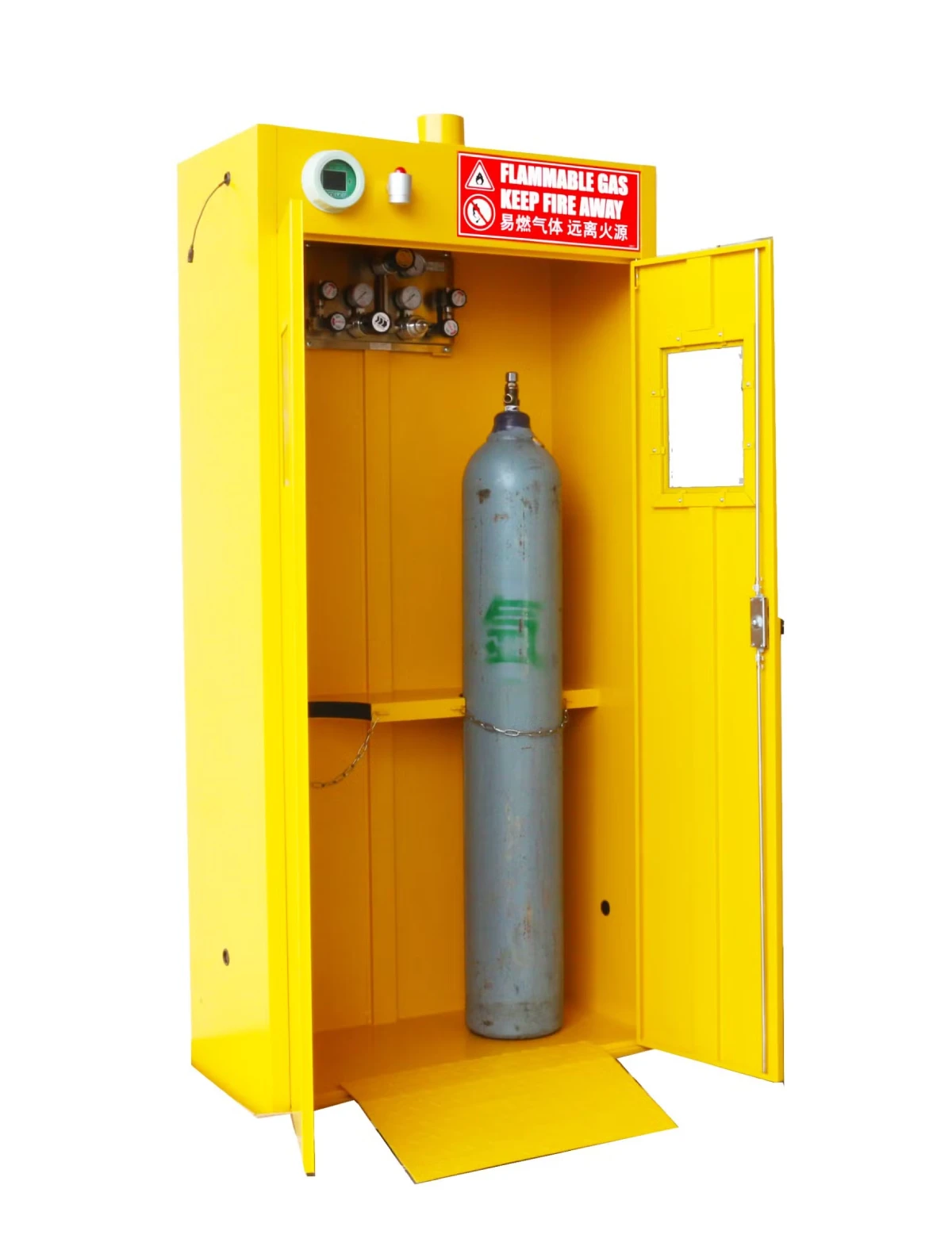
Effective workplace safety requires proper storage and handling of gas cylinders.
Efficient gas cabinets with controlled storage compartments reduce the risks posed by hazardous, flammable, or toxic gases. This article examines the most important functions of gas cabinets in industrial and laboratory environments for controlling hazards and efficiency. Gas cabinets facilitate regulatory compliance while also improving corporate safety procedures. Readers will understand why a gas cabinet is essential for the safe storage of gas cylinders.
What is a gas cabinet and what is its purpose?
What are the main features of a gas cabinet? Gas cabinets are complex engineering systems that ensure the safe storage of gases and cylinders from both operational and safety perspectives. Below is a detailed analysis of their functionality and main components:
1. Exhaust ventilation system
Gas cabinets designed with absorption scrubbers include ventilation systems that ensure dilution and removal of harmful gases inside the enclosure. Many systems are connected to facility ventilation or operate with an airflow rate of 150–250 cubic feet per minute (CFM).
2. Gas leak detection systems
Advanced leak detection systems such as infrared or electrochemical sensors are used to identify any gas escaping from cylinders. Advanced emission monitoring, visual feedback enhanced with audible alarms, and supported hardware and software systems enable real-time event display.
3. Automatic shut-off valves
To prevent gas release from the cabinet during predefined emergency situations, gas cabinets are equipped with automatic shut-off valves. This significantly reduces the risk of exposure to hazards or secondary injuries.
4. Robust structural design
Protected with high-pressure fire-resistant coatings or stainless steel, gas cabinets are resistant to harsh industrial environments. In addition, they are capable of sealing isolated high-pressure cylinders.
5. Purge systems
Most gas cabinets are equipped with an integrated purge manifold system designed to remove residual gas from the cabinet before cylinder replacement. Purging is typically performed with nitrogen and ensures that no hazardous gases remain in supply lines or inside the cabinet.
All these features are designed to ensure operational safety and control gas handling processes. Such engineering systems are essential for semiconductor manufacturing, the pharmaceutical industry, as well as laboratory research with strict hazardous gas control requirements.
How does a gas cabinet ensure safety?
Gas cabinets provide a safe environment using various physical control measures as well as advanced monitoring and automated control systems. The cabinets are manufactured from robust fire-resistant materials that help prevent potential leaks or explosions.
Built-in ventilation systems are designed to remove hazardous gas concentrations by directing leaks to scrubbers or exhaust systems that neutralize harmful substances. In addition, gas cabinets are equipped with modern sensors for real-time gas leak detection.
For toxic, flammable, and corrosive gases, these integrated systems trigger programmed responses when critical levels are exceeded. In critical situations, safety is ensured through automatic shut-off valves that stop gas flow, making the system safer and reducing exposure risk.
Gas cabinets are an essential safety measure in sensitive environments and consist of complex technologies and engineering systems that provide vital protective functions. Additional advanced protection features, known as interlocks, help enhance operator safety by ensuring restricted access and strict adherence to predefined workflows. These measures are essential for minimizing the risk of operator error.
What types of gases require a gas cabinet?
Gas cabinets are essential for storing flammable gases such as hydrogen, acetylene, and methane, which pose health and environmental risks. The risks arise in oxygen-rich environments where these gases can ignite and explode.
In addition to flammable toxic and corrosive gases such as ammonia and hydrogen sulfide, they require dedicated gas cabinets to prevent accidental leaks that could harm workers. Their storage is strictly monitored to prevent infrastructure damage.
Gas cabinets also protect against pyrophoric corrosive gases such as silane and phosphine, which require enclosed storage because they can spontaneously ignite when exposed to air. Other substances such as boron trifluoride and arsine belong to research categories and require safe storage due to their high reactivity and toxicity.
To meet these requirements, double-walled chambers are used. Such protective measures comply with industrial standards while optimizing workflows and maintaining safety as a top priority.
Partners