Innovations
How to Choose the Right Gas Cabinet for Your Needs?
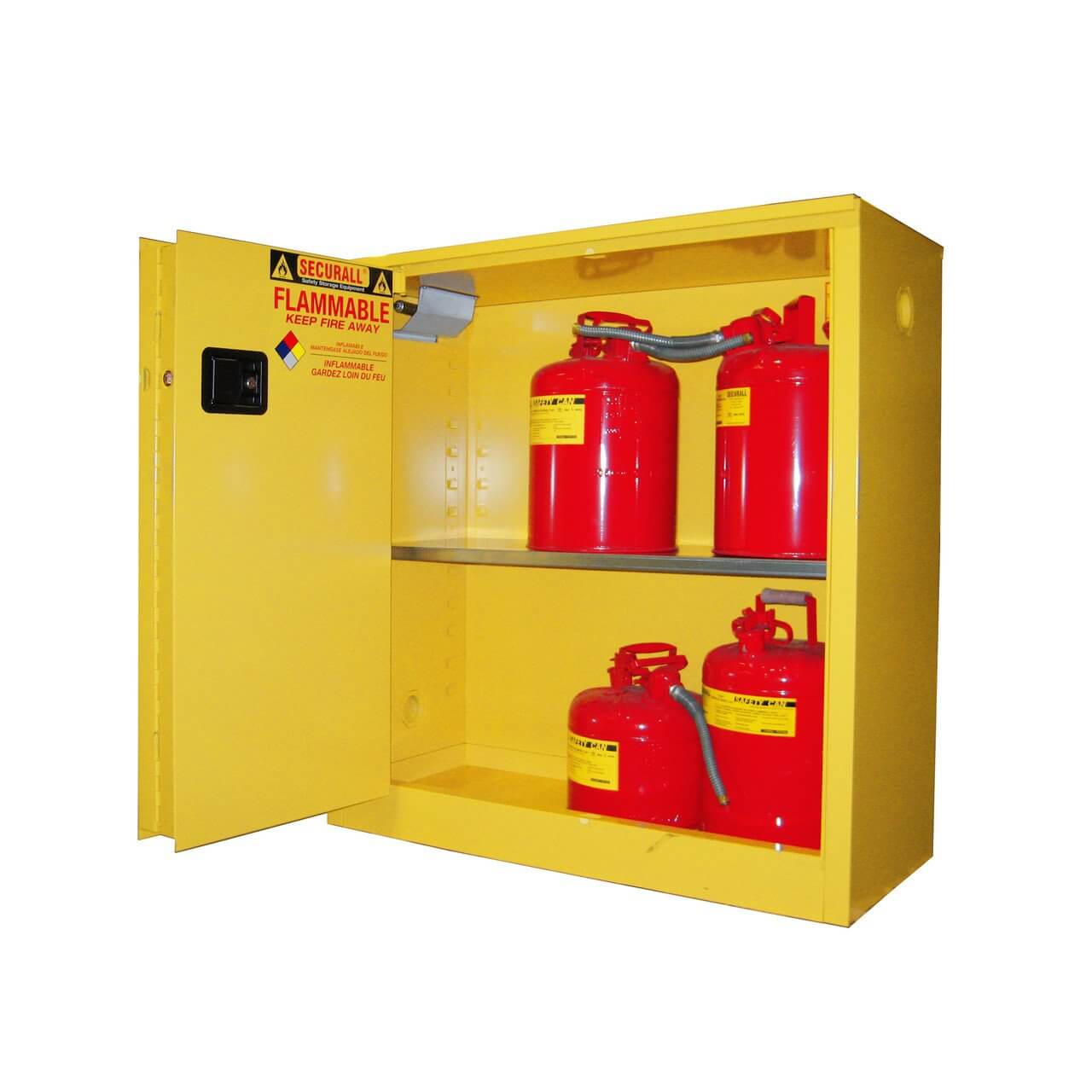
Material Compatibility: ensure that the gas cabinet is made of materials resistant to corrosion or toxic gases.
Special corrosion-resistant coatings and seals may be required.
Ventilation Requirements: ensure that gas cabinets are equipped with appropriate ventilation systems to remove hazardous gases. Verify that the equipment complies with OSHA or NFPA requirements.
Size and Capacity: gas cabinets should not exceed the number of cylinders that must be safely stored and easily accessible.
Safety Features: depending on the risks posed by the gases used, select cabinets with the most appropriate safety measures such as shut-off valves, leak detection, and fire suppression systems.
Regulatory Compliance: ensure that the jurisdictional boundaries related to the gas cabinet comply with your local, neighboring, and cross-border regulations, as well as semiconductor standards such as NFPA 55, CGA, and SEMI S2.
Paying attention to these factors will allow you to confidently choose a gas cabinet in terms of safety, operation, and compliance.
What are the size and capacity options for gas cabinets?
Gas cabinets vary in size and shape to meet different operational and safety needs. For example, the external dimensions of most basic gas cabinets range from 24 to 48 inches in width, 18 to 24 inches in depth, and 65 to 84 inches in height. These variations allow use in both small installations and large industrial systems.
Standard gas cabinets have flexible capacity and are designed to hold one gas cylinder, dual-cylinder configurations, or even larger setups of up to four cylinders. High-capacity units are used for bulk gas supply applications, while low-capacity units are integrated into specialized, controlled, and low-flow environments. In addition, modular designs and custom solutions allow for more precise user requirements, such as safely storing special gas mixtures or hazardous gases.
What are the best materials for gas cabinets?
Just as important as the construction of gas cabinets is the selection of materials used in their manufacturing, as this ensures functionality and safety, especially for hazardous and sensitive gases. Preferred grades of 304 or 316L stainless steel increase resistance to corrosive substances, provide corrosion protection, and enhance safety when in contact with corrosive and toxic gases due to their non-reactive properties. The strength of stainless steel ensures durability even under high pressure and harsh operating conditions.
For greater durability, electropolished stainless steel reduces particle adhesion and contamination risk caused by scratches. Non-metallic parts of the cabinet are made from PTFE (polytetrafluoroethylene) and PFA (perfluoroalkoxy alkane) plastics, which are highly inert and resistant to high temperatures. In accordance with strict industry standards such as SEMI (Semiconductor Equipment and Materials International) and NFPA (National Fire Protection Association), gas systems must ensure safe and efficient gas distribution.
How can proper ventilation be ensured in a ventilated gas cabinet?
Proper airflow and containment of hazardous gases in a ventilated gas cabinet are critical for safety and regulatory compliance. Compliance is achieved by installing a high-efficiency exhaust system and maintaining negative pressure inside the gas cabinet so that all hazardous gases are safely captured and directed to the exhaust system.
All parts of the gas cabinet must ensure uniform airflow distribution through laminar flow; this reduces gas pocket formation by creating smoother and less turbulent air movement. As with all gas cabinets, exhaust flow rates must be controlled and comply with minimum standards set by SEMI S6 or OSHA, depending on the type and volume of gas stored.
Critical airflow parameters must be continuously monitored using differential pressure sensors or airflow monitoring devices. These devices track flow rates, provide real-time data, and can trigger alerts in case of airflow deviations. Gas cabinet performance is also affected by periodic maintenance such as filter inspection and replacement.
Workplace safety is also improved through the implementation of these system features. This is important for all gas cabinet users, as it protects both personnel and equipment while ensuring compliance with health and safety regulations.
Partners