Innovations
What Should You Consider When Choosing a Gas Meter for Your Application?
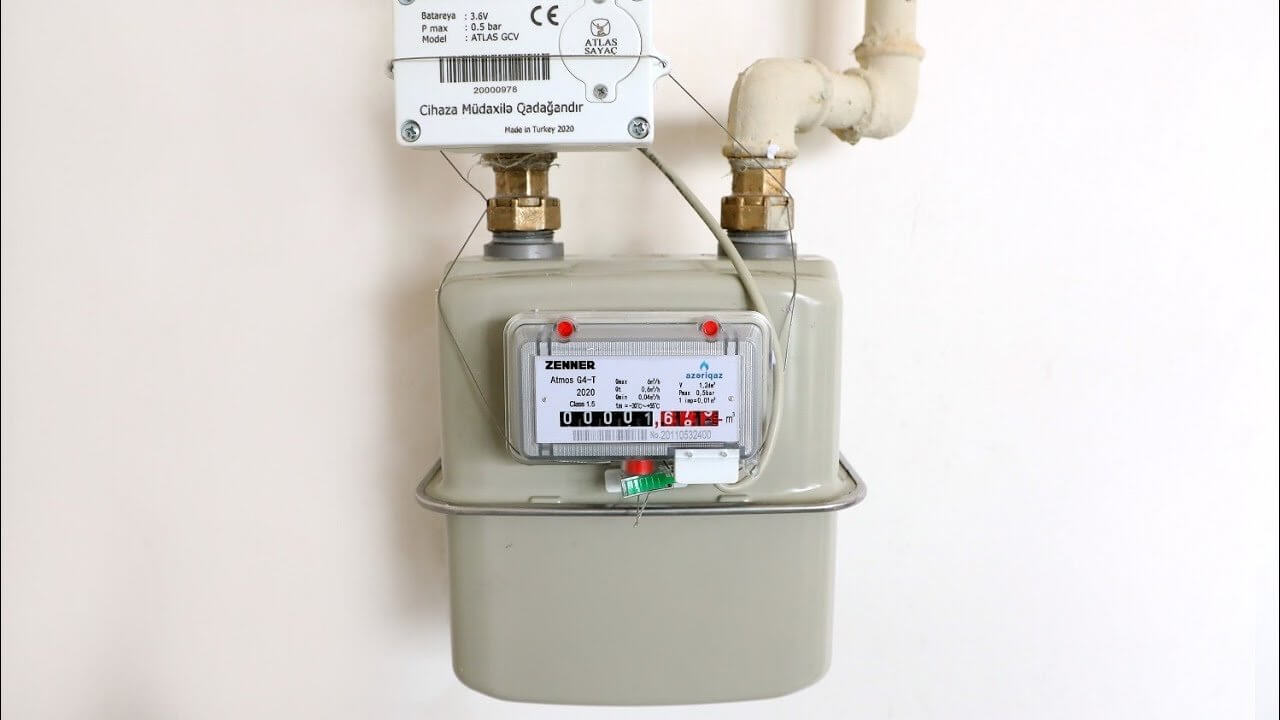
Measurement devices are essential for managing gas flow in residential, industrial, and commercial facilities.
Since there are currently numerous gas meter models available on the market, choosing the right meter for your application can be both exhausting and confusing. Nevertheless, there are general aspects that should be considered when purchasing the right gas meter.
The main factors affecting the selection of a gas meter are as follows:
•Application
•Required Load/Capacity
•Pipe Size
•Gas Line Pressure
•Installation Limitations
•Long-Term Maintenance
Below, we explore each of these factors in more detail.
Application
When selecting a gas meter, you should consider what it is needed for. Do you want to measure the volume of fuel gas? Is it for industrial, commercial, or residential purposes, or do you need a solution for measuring custody transfer? You should also consider your meter’s level of accuracy, repeatability, flow rate, fluid temperature, pressure, gas type, and location.
There are several types of gas meters available, including differential pressure, mechanical movement, positive displacement, thermal dispersion, variable area, and velocity-based meters suitable for different applications.
Positive displacement meters such as diaphragm and rotary meters work best for low-pressure systems with PSI ratings of 0–100 and no more than 175, respectively. Therefore, they are frequently used in residential settings. Although they offer high rotational speed and sufficient accuracy, you may encounter issues when using wet or dirty gas because of their moving parts.
Velocity-based meters such as turbine flow meters are suitable for high-pressure systems with PSI ratings of up to 220.
Differential pressure-based meters such as orifice meters are mainly used in industrial facilities because they have no moving components and are easy to service in the field.
Rotameters, which are a type of variable area meter, are used in hazardous locations where combustible gases are present because they do not require external power and are highly resistant to chemical damage. However, they offer only moderate levels of accuracy.
Coriolis gas meters, a type of mechanical movement meter, are suitable for applications that require the highest accuracy and wide flow rate ranges.
Mass flow meters excel in combustion control. They are also ideal for biogas, natural gas, flare gas, and energy management applications.
Ultrasonic and vortex gas meters are velocity-based meters. Ultrasonic meters are mainly used in natural gas storage because they excel at measuring the flow of gases and steam with high accuracy. They can also measure slurries and liquids.
On the other hand, vortex meters work best for accurately measuring steam or compressed air.
Required Load/Capacity
When selecting a gas meter, you should know the gas consumption rate in the area where the meter will be used. This will determine the maximum flow rate for your meter.
It is important to match the gas meter to the capacity it is required to handle. If the meter is undersized, your equipment may experience gas starvation and therefore will not operate at its maximum capacity. In addition, the equipment may be exposed to the risk of soot buildup.
You can usually find the load/capacity of your gas meter in small print, often near the display. The figure is expressed in cubic feet or cubic meters per hour. You should compare this with the total gas demand of your building. For each gas appliance on your property, this demand is indicated by the Btu/hour ratings on the nameplates.
Experts recommend that your maximum gas flow rate should be less than 80% of your meter’s maximum capacity.
Pipe Size
The correct pipe size affects the efficiency and safety of your application, making it an important factor when selecting a gas meter.
The size of the pipe affects how much gas can pass through it and how much gas reaches your equipment. For example, long pipes may seem ideal at first, but excessive length can result in lower gas flow volumes.
When determining the ideal pipe size for your gas meter, pay attention to its nominal size, length, application, and material. In addition, the pipe you choose should be compatible with the type of gas meter you use. For example, small pipes work with diaphragm meters, while larger pipes are suitable for turbine meters.
Gas Line Pressure
Gas line pressure depends on the type of gas meter and its application. For example, diaphragm meters are frequently used in low-pressure applications and can withstand a maximum pressure of 1.5 bar.
On the other hand, turbine meters are the leading choice in the industrial sector and heavy commercial applications. These can withstand line pressures of up to 6 bar.
Installation Limitations
As with real estate, location is an important factor when selecting a meter. Will your meter be installed outdoors where it is exposed to various elements, or will it be installed in a controlled environment? Are there any space limitations you need to consider?
Some gas meters require long straight pipe runs to provide accurate flow readings. For example, if your pipe diameter is 2 inches, you should have approximately 20 inches of straight pipe before and after the meter for accurate readings.
In addition, you should consider whether the meter will be installed vertically or horizontally. For example, variable area flow meters rely heavily on gravity and therefore must be installed vertically.
When considering placement, also pay attention to the environmental conditions and existing infrastructure at your installation site. Typically, locations with little or no electrical interference, vibration, or magnetic fields are ideal for maximizing gas meter performance.
The ideal location should not have nearby electrical or pneumatic power sources, as these can lead to explosions. In addition, installing your gas meter in areas with heavy condensation, such as direct exposure to rain, may result in inaccurate readings and eventually cause corrosion of the meter.
Long-Term Maintenance
One of the factors that will affect your ownership of a gas meter is its long-term maintenance requirements and costs. To ensure the meter remains in optimal condition and to reduce repair expenses, it should be inspected regularly by a qualified inspector.
You should also consider periodic maintenance costs, which tend to be higher for meters with many moving parts and those located in hard-to-access areas.
With the information presented in this article, you now have a better understanding of the importance of knowing all the factors that influence the selection of the right gas meter for your application. Remember that even if you consider long-term maintenance requirements, pipe size, required load/capacity, installation limitations, gas line pressure, and the intended application of your meter, certain meters still have specific advantages and disadvantages that must be evaluated.
Therefore, even if you know the factors that should guide your decision, choosing the gas meter that perfectly suits your needs may not be so simple.
If you need help selecting the right gas meter for your application, do not hesitate to contact the experts at Enermus.com. We offer a variety of gas meters for all types of applications, so you are sure to find one that meets your needs.
Partners