Innovations
Why is gas odorization important?
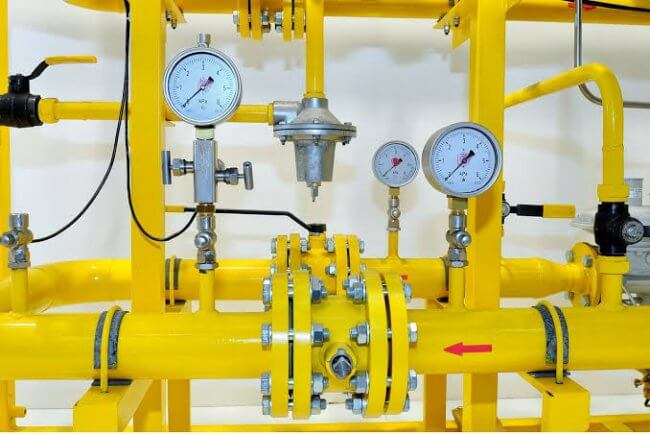
Natural gas and propane play an essential role in supplying energy to homes, businesses, and industrial facilities worldwide. Although they are efficient and reliable energy sources, both gases are naturally colorless and odorless, making leaks difficult to detect in their pure form.
To ensure public safety, special odorant substances — mainly mercaptans — are added to natural gas and propane. This simple but critical safety measure allows leaks to be detected quickly and significantly reduces the risk of accidents.
The history of natural gas odorization includes important events that changed safety regulations worldwide and demonstrated the vital role of odorants in gas distribution systems.
The New London School Explosion: A Turning Point in Gas Safety
One of the most tragic events in gas safety history occurred in 1937 in New London, Texas.
A natural gas leak in the school's heating system went unnoticed because the gas had no smell. The gas accumulated inside the building and was later ignited by a spark, causing a devastating explosion that killed nearly 300 students and teachers.
Following this tragedy, strict safety measures were introduced. Texas quickly required all natural gas supplies to be odorized, and the United States and Canada later adopted similar regulations.
This event remains a powerful reminder of the life-saving importance of gas odorization.
Odorants as a Safety Measure
Odorants are chemical substances added to natural gas and propane to create a recognizable smell. Since natural gas is naturally odorless, odorization allows people to detect leaks at an early stage.
Odorized gas can be detected before reaching dangerous levels, helping reduce the risk of fires, explosions, and gas-related accidents.
Odorants do not change the chemical or physical properties of gas; they only provide a distinctive smell for safety purposes.
Sulfur-Based Odorants
The most commonly used odorants in natural gas safety are sulfur-based compounds, including mercaptans and sulfides.
These substances typically create a strong smell similar to rotten eggs.
An effective odorant must:
- Be detectable at very low concentrations;
- Produce no harmful byproducts;
- Remain chemically stable under different conditions;
- Avoid reacting with pipelines and system components.
Common odorants include tetrahydrothiophene (THT), dimethyl sulfide, diethyl sulfide, ethyl mercaptan, propyl mercaptan, and butyl mercaptan.
Factors to Consider When Selecting Odorants
Two important factors should be considered when selecting an odorant blend:
Soil and Water Conditions
In underground pipeline systems, soil and water may reduce odor intensity by absorbing odorant compounds. This depends on soil composition and moisture levels.
Atmospheric Humidity
Humidity and climate conditions can affect how odorants spread and remain detectable in the air. Temperature, soil characteristics, and environmental conditions influence odor performance.
Regulations and Safety Requirements
Today, the use of odorants in natural gas and propane systems is strictly regulated.
Key requirements include:
- Maintaining detectable odor levels in gas distribution networks;
- Using odorized gas in populated areas;
- Regular monitoring of odorant concentration levels.
These regulations help ensure that gas leaks are identified quickly and safety risks are minimized.
Gas Leak Safety Measures
The familiar "rotten egg" smell of odorized natural gas serves as an important warning sign of a possible leak.
If you smell gas:
- Evacuate everyone from the building immediately.
- Do not use electrical switches, matches, or open flames.
- Contact the gas utility or emergency services from a safe location.
- Do not return until authorities confirm that it is safe.
A gas leak should never be ignored. Quick action can prevent serious accidents and protect lives.
Partners