Innovations
Safety valves: What they are and why they are important
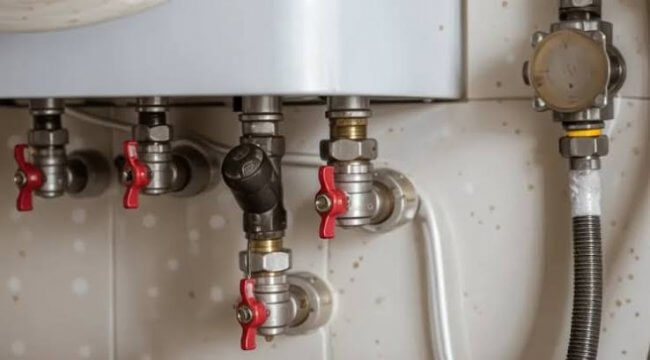
A safety valve is a mechanical device designed to automatically open when pressure exceeds a predetermined limit, releasing excess pressure, and then close again when normal operating conditions are restored. Unlike manually operated valves, safety valves do not require electronic control systems or human intervention. They respond immediately and ensure that systems remain within safe operating limits.
Without safety valves, many processes involving steam, gas, or pressurized fluids would create serious risks for workers, equipment, and the environment. Therefore, understanding their function, operation principles, and importance is essential for safe industrial operations.
Once the pressure returns to a safe range, the valve automatically closes and restores the system’s tightness.
Safety valves are designed to operate without external power sources or operator commands. Their mechanism usually consists of a spring-loaded disc that lifts when pressure exceeds the preset limit.
Safety valves are widely used in:
Safety valves release excessive pressure before it becomes dangerous, helping to:
Safety valves respond quickly in emergency conditions and help to:
Standards and organizations such as:
Failure to properly install or maintain safety valves may lead to:
Although safety valves are relatively small components, they play a critical role in protecting large and complex systems.
They:
From residential heating units to large industrial facilities, proper pressure control is a fundamental part of system safety. Excessive pressure can lead to gas leaks, equipment damage, and even explosions. That is why safety valves are considered one of the most important protective elements in modern engineering and industrial systems.
Without safety valves, many processes involving steam, gas, or pressurized fluids would create serious risks for workers, equipment, and the environment. Therefore, understanding their function, operation principles, and importance is essential for safe industrial operations.
What Is a Safety Valve?
A safety valve is a pressure-relief device installed on equipment operating under high pressure. Its main purpose is to protect the system by releasing excessive pressure before it reaches dangerous levels.Once the pressure returns to a safe range, the valve automatically closes and restores the system’s tightness.
Safety valves are designed to operate without external power sources or operator commands. Their mechanism usually consists of a spring-loaded disc that lifts when pressure exceeds the preset limit.
Safety valves are widely used in:
- Steam boilers
- Pressure vessels
- Compressed air tanks
- Heat exchangers
- Gas storage systems
Why Are Safety Valves Important?
1. They Prevent Equipment Damage
When a system is exposed to pressure levels above its design capacity, pipes, tanks, and other equipment may crack, deform, or even explode.Safety valves release excessive pressure before it becomes dangerous, helping to:
- Prevent equipment failure;
- Reduce repair and replacement costs;
- Maintain stable system operation.
2. They Protect Human Life and Workplace Safety
Excessive pressure in boilers, gas systems, or pressure vessels can create dangerous situations such as explosions or high-temperature steam leaks.Safety valves respond quickly in emergency conditions and help to:
- Protect workers;
- Reduce accident risks;
- Improve overall workplace safety.
3. They Ensure Continuous System Operation
Sudden pressure increases can cause equipment shutdowns, resulting in:- Production interruptions;
- Delayed operations;
- Additional financial losses.
4. They Ensure Compliance With Safety Standards
Many industries are required to follow national and international safety regulations.Standards and organizations such as:
- ASME (American Society of Mechanical Engineers);
- PED (Pressure Equipment Directive)
Failure to properly install or maintain safety valves may lead to:
- Fines;
- Legal issues;
- Production shutdowns.
How Do Safety Valves Work?
The working principle of a safety valve is based on a spring-loaded mechanism:- Under normal conditions, the spring keeps the valve closed.
- When pressure increases beyond the set limit, it pushes against the spring force.
- Once the pressure reaches the critical level, the valve opens and releases excess pressure.
- After the pressure decreases to a safe level, the spring automatically returns the valve to the closed position.
Where Are Safety Valves Used?
Safety valves are used in many industries and systems, including:Energy and Heating Systems:
- Power plant boilers;
- Heating boilers;
- Steam systems.
Gas Industry:
- Gas storage facilities;
- Gas pressure regulation systems;
- High-pressure gas pipelines.
Oil and Petrochemical Industry:
- Chemical storage tanks;
- Processing units;
- Industrial equipment.
Food and Pharmaceutical Industry:
- Steam-based systems;
- High-pressure sterilization equipment.
Although safety valves are relatively small components, they play a critical role in protecting large and complex systems.
They:
- Prevent accidents caused by excessive pressure;
- Protect expensive equipment;
- Ensure safe and continuous operations;
- Save human lives.
From residential heating units to large industrial facilities, proper pressure control is a fundamental part of system safety. Excessive pressure can lead to gas leaks, equipment damage, and even explosions. That is why safety valves are considered one of the most important protective elements in modern engineering and industrial systems.
Partners