Innovations
What are the reasons for low gas pressure in pipes?
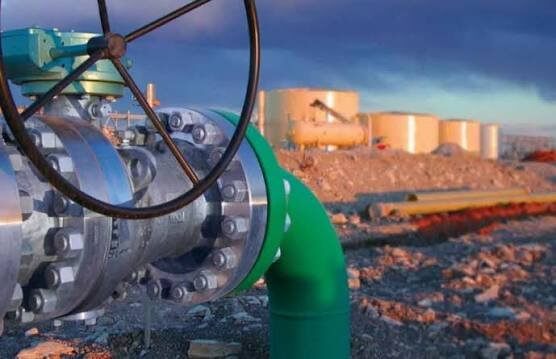
As a professional in the gas pipeline and gas equipment industry, we frequently encounter questions related to low gas pressure problems. This issue can negatively affect the performance of gas-powered appliances, reduce system efficiency, and create potential safety risks.
In this article, we will explore the main causes of low gas pressure in pipelines and explain how these problems can be identified and managed.
The gas distribution company is responsible for delivering gas to consumers at a stable pressure. However, several issues on the supply side can cause pressure drops, including:
Additionally, leaks in the main supply pipeline can result in gas losses, causing a reduction in overall system pressure.
Over time, different materials can accumulate inside gas pipelines, including:
In some cases, insects or small animals may enter pipelines and create blockages, further limiting gas circulation.
Using high-quality, corrosion-resistant pipes and performing regular inspections can help prevent these issues.
Even a small leak can gradually reduce the amount of gas available in the system, resulting in pressure loss.
Common causes of gas leaks include:
Regular inspection and maintenance of gas pipelines are essential to detect leaks early and prevent safety hazards.
A faulty pressure regulator may fail to control gas flow properly, causing unstable pressure levels.
Another common issue is the incorrect selection of gas appliances according to the available gas supply capacity.
For example:
Proper equipment selection and correct pipeline sizing are essential for maintaining a stable gas supply.
As altitude increases, atmospheric pressure decreases, which can affect the performance of gas systems.
In high-altitude areas, gas expansion characteristics change, and maintaining the required pressure inside pipelines may become more challenging.
Therefore, gas systems in elevated areas should be designed based on specific engineering calculations and environmental conditions.
Gas behaves differently depending on temperature:
Proper insulation of gas pipelines helps reduce the impact of external temperatures and maintains more stable pressure levels throughout the year.
If the pipe diameter is too small for the required gas flow:
Correct pipe sizing requires careful calculation of:
A professionally designed and properly maintained gas system provides safer operation, higher efficiency, and long-term reliability for residential, commercial, and industrial applications.
In this article, we will explore the main causes of low gas pressure in pipelines and explain how these problems can be identified and managed.
1. Supply-Side Issues
One of the main causes of low gas pressure is related to problems within the gas supply source.The gas distribution company is responsible for delivering gas to consumers at a stable pressure. However, several issues on the supply side can cause pressure drops, including:
- Maintenance works;
- Damage to main gas pipelines;
- Increased demand in the area.
Additionally, leaks in the main supply pipeline can result in gas losses, causing a reduction in overall system pressure.
2. Pipe Blockages
Pipe blockages are another common reason for low gas pressure.Over time, different materials can accumulate inside gas pipelines, including:
- Dust and debris;
- Rust particles;
- Sediment buildup;
- Foreign materials.
In some cases, insects or small animals may enter pipelines and create blockages, further limiting gas circulation.
Using high-quality, corrosion-resistant pipes and performing regular inspections can help prevent these issues.
3. Gas Pipe Leaks
Gas leaks are one of the most serious causes of low gas pressure.Even a small leak can gradually reduce the amount of gas available in the system, resulting in pressure loss.
Common causes of gas leaks include:
- Aging pipelines;
- Mechanical damage;
- Incorrect installation;
- Poor-quality connections.
Regular inspection and maintenance of gas pipelines are essential to detect leaks early and prevent safety hazards.
4. Gas Appliance-Related Problems
Sometimes the cause of low gas pressure is not the pipeline itself but the connected gas appliances.A faulty pressure regulator may fail to control gas flow properly, causing unstable pressure levels.
Another common issue is the incorrect selection of gas appliances according to the available gas supply capacity.
For example:
- A high-capacity appliance;
- Connected to a small-diameter gas pipe.
Proper equipment selection and correct pipeline sizing are essential for maintaining a stable gas supply.
5. High Altitude Effects
The geographical location of a facility can also influence gas pressure.As altitude increases, atmospheric pressure decreases, which can affect the performance of gas systems.
In high-altitude areas, gas expansion characteristics change, and maintaining the required pressure inside pipelines may become more challenging.
Therefore, gas systems in elevated areas should be designed based on specific engineering calculations and environmental conditions.
6. Temperature Changes
Temperature variations have a direct impact on gas pressure.Gas behaves differently depending on temperature:
- It expands when heated;
- It contracts when cooled.
Proper insulation of gas pipelines helps reduce the impact of external temperatures and maintains more stable pressure levels throughout the year.
7. Incorrect Pipe Sizing
Incorrect pipe diameter selection is another factor that can cause low gas pressure.If the pipe diameter is too small for the required gas flow:
- Gas movement becomes restricted;
- Pressure losses increase;
- Appliances may not operate efficiently.
Correct pipe sizing requires careful calculation of:
- Gas consumption;
- Pipeline length;
- Operating pressure;
- Equipment requirements.
- Supply-side problems;
- Pipe blockages;
- Gas leaks;
- Equipment failures;
- Temperature changes;
- Incorrect system design.
A professionally designed and properly maintained gas system provides safer operation, higher efficiency, and long-term reliability for residential, commercial, and industrial applications.
Partners