Innovations
Gas Connection Safety Requirements for a Private House
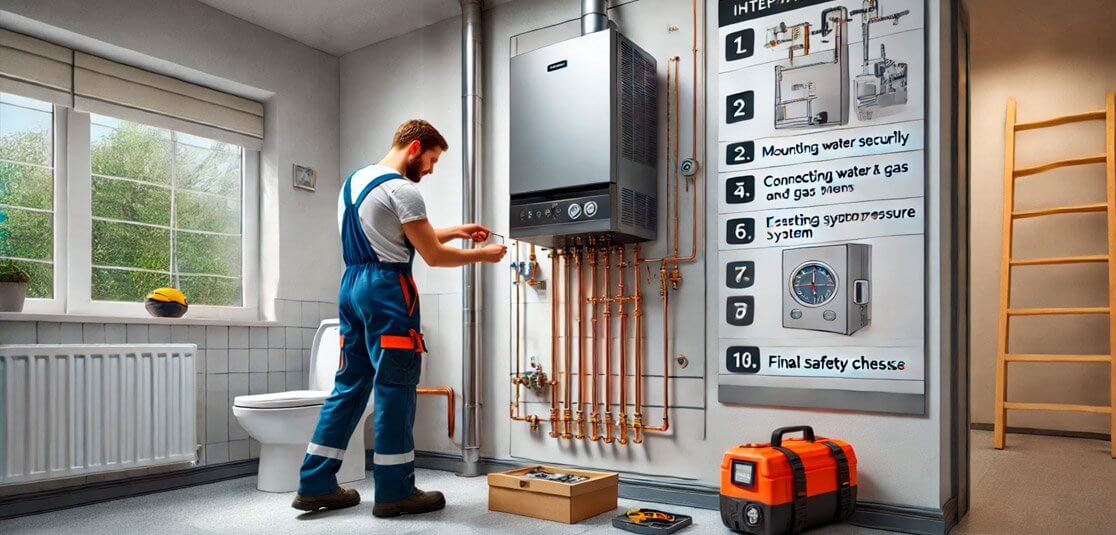
Failure to comply with applicable requirements can result in gas leaks, fire, explosions, or carbon monoxide poisoning. Gas systems should therefore be designed, installed, tested, and serviced by qualified professionals.
1. Regulatory Requirements and Legislation
Gas connection and installation are subject to technical and safety requirements covering the design, installation, testing, and operation of gas systems.
Key requirements generally include:
- correct gas pipeline design and routing;
- appropriate certified materials and equipment;
- safe positioning of gas appliances;
- leak-tight pipe connections;
- adequate ventilation and flue systems;
- system pressure and tightness testing;
- commissioning and regular maintenance.
Local regulations and the requirements of the relevant gas distribution company must always be taken into account.
2. Required Documentation
Before connecting a private house to the gas network, the required technical and legal documentation should be prepared.
The process may include:
- Obtaining technical connection conditions;
- Preparing a gasification project;
- Arranging gas supply and maintenance agreements;
- Completing inspection and acceptance documentation;
- Commissioning the completed system.
The exact documentation depends on the country, local regulations, and the relevant gas distribution authority.
3. Selecting and Installing Gas Equipment
Choosing the right gas equipment is essential for safe and efficient operation.
Key selection criteria
- Gas type: Equipment must be suitable for natural gas or LPG, as applicable.
- Capacity: The appliance capacity should correspond to the size of the property and expected gas consumption.
- Energy efficiency: Modern boilers and water heaters offer different efficiency levels.
- Safety features: Gas monitoring, overheating protection, automatic shut-off, and flame-failure protection can improve safety.
Main types of gas equipment
- gas boilers;
- gas cookers and ovens;
- gas water heaters;
- other residential and commercial gas appliances.
Installation process
- Preparation of the installation design;
- Installation of the gas pipeline;
- Connection of gas appliances;
- Leak-tightness inspection;
- Testing of the equipment;
- Documentation and commissioning.
Gas appliances and pipelines should not be modified or installed by unqualified persons.
4. Ventilation and Flue Systems
Proper ventilation and flue systems are essential for the safe operation of gas appliances.
Rooms containing gas appliances must have adequate air supply for combustion. Ventilation openings and ducts should remain unobstructed and functional.
Where appliances produce combustion products, an appropriate flue system must safely discharge them outside the building. Flues should be regularly inspected for blockages, damage, corrosion, and other defects.
Poor ventilation or inadequate flue systems can result in the accumulation of carbon monoxide and create a serious risk to occupants.
5. Gas Connection Procedure
Connecting a private house to the gas network generally involves several stages.
Main stages
1. Obtaining technical conditions
The connection requirements and available connection options are determined by the relevant gas distribution organization.
2. Preparing the gasification project
The project specifies the pipeline route, pipe sizes, appliance locations, and required safety measures.
3. Installing the gas pipeline
Pipelines and related equipment are installed in accordance with the approved design and applicable regulations.
4. Connecting gas appliances
Boilers, cookers, water heaters, and other appliances are connected according to the manufacturer's requirements and applicable safety rules.
5. Testing and inspection
The pipeline, joints, connections, and equipment are checked for tightness, functionality, and safety.
6. Gas supply and commissioning
Once all requirements have been met and the system has been accepted, the gas supply can be commissioned.
6. Safe Operation of the Gas System
Proper operation of the gas system is essential for the safety of everyone in the property.
- Gas appliances should receive regular professional maintenance.
- Pipes and connections should be inspected periodically.
- Gas appliances should not be left operating without appropriate supervision.
- The gas pipeline configuration should not be modified without authorization.
- Ventilation and flue systems must remain unobstructed.
- Faulty appliances should not be used.
- Repairs and maintenance should be performed by qualified professionals.
What to Do in Case of a Gas Leak
If you smell gas:
- Shut off the gas supply if it is safe to do so.
- Open windows and doors to ventilate the property.
- Do not use open flames.
- Do not switch electrical devices or light switches on or off.
- Move people away from the affected area.
- Once in a safe location, contact the local emergency gas service.
- Do not return to the building until it has been declared safe by qualified personnel.
Never use a phone, electrical equipment, or any potential source of ignition inside an area where a gas leak is suspected.
Conclusion
Safe gas connection in a private house requires compliance with technical and safety requirements throughout the design, installation, testing, commissioning, and operation stages.
Properly selected gas equipment, professionally installed pipelines, effective ventilation and flue systems, and regular maintenance are the foundation of a safe and reliable gas supply.
Gas pipeline installation and gas appliance connections should always be carried out by qualified and authorized professionals.
Partners