Innovations
How to Select the Right Gas Meter for Your Installation?
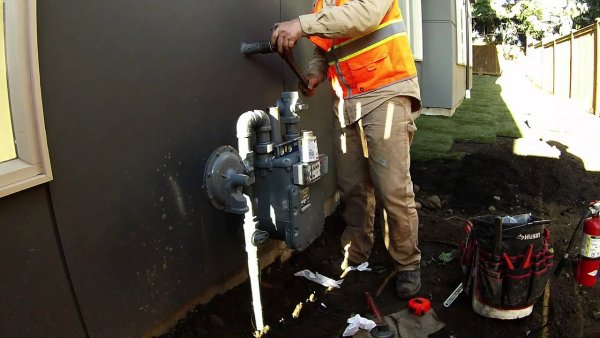
Choosing the right gas meter is an important step in ensuring accurate gas consumption measurement. A gas meter measures the amount of gas used, helping provide accurate billing and effective control of energy consumption.
There are many different types of gas meters available on the market. Selecting the right model depends on several factors, including the type of gas being used, the characteristics of the installation, measurement requirements and budget.
Diaphragm gas meters are among the most widely used types, particularly in domestic gas installations. They operate by filling two diaphragm chambers with gas, which activates the mechanism used to measure gas flow. Their simple construction, affordable price and reliable operation make them a popular choice for residential applications.
Rotary and turbine gas meters are mainly used in industrial installations, where gas flow rates are significantly higher. Rotary meters measure gas flow using a rotating rotor, while turbine meters use a rotating turbine. These models are suitable for measuring large volumes of gas and generally have a more advanced construction.
G4 and G6 gas meters are commonly used in domestic installations. Larger models, such as G10 to G65, are generally used in industrial applications.
When selecting a gas meter, it is important to consider the expected and maximum gas flow rate of the installation. This helps ensure accurate measurement and reliable operation.
When taking a reading, the digits before the decimal point are generally considered. The digits after the decimal point are usually not included in the main reading.
Although gas consumption is displayed in cubic meters, gas billing may be calculated in kilowatt-hours (kWh). To compare the meter reading with the information on a gas bill, the gas volume must be converted into energy units using the applicable conversion factor.
For example, if the conversion factor is 11.17, 1 m³ of gas corresponds to approximately 11.17 kWh of energy.
Choosing products from established manufacturers can help ensure accurate measurement and reliable long-term operation. Manufacturers such as METRIX, KEN and WEBA offer gas meters and accessories designed for different gas system requirements.
METRIX G4 diaphragm gas meters, including models equipped with pulse transmitters, feature precise measuring mechanisms. A pulse transmitter can enable meter data to be transferred to electronic monitoring and measurement systems.
Choosing the right gas meter is an important step in ensuring accurate gas consumption measurement. A gas meter measures the amount of gas used, helping provide accurate billing and effective control of energy consumption.
There are many different types of gas meters available on the market. Selecting the right model depends on several factors, including the type of gas being used, the characteristics of the installation, measurement requirements and budget.
Diaphragm gas meters are among the most widely used types, particularly in domestic gas installations. They operate by filling two diaphragm chambers with gas, which activates the mechanism used to measure gas flow. Their simple construction, affordable price and reliable operation make them a popular choice for residential applications.
Rotary and turbine gas meters are mainly used in industrial installations, where gas flow rates are significantly higher. Rotary meters measure gas flow using a rotating rotor, while turbine meters use a rotating turbine. These models are suitable for measuring large volumes of gas and generally have a more advanced construction.
G4 and G6 gas meters are commonly used in domestic installations. Larger models, such as G10 to G65, are generally used in industrial applications.
When selecting a gas meter, it is important to consider the expected and maximum gas flow rate of the installation. This helps ensure accurate measurement and reliable operation.
When taking a reading, the digits before the decimal point are generally considered. The digits after the decimal point are usually not included in the main reading.
Although gas consumption is displayed in cubic meters, gas billing may be calculated in kilowatt-hours (kWh). To compare the meter reading with the information on a gas bill, the gas volume must be converted into energy units using the applicable conversion factor.
For example, if the conversion factor is 11.17, 1 m³ of gas corresponds to approximately 11.17 kWh of energy.
Choosing products from established manufacturers can help ensure accurate measurement and reliable long-term operation. Manufacturers such as METRIX, KEN and WEBA offer gas meters and accessories designed for different gas system requirements.
METRIX G4 diaphragm gas meters, including models equipped with pulse transmitters, feature precise measuring mechanisms. A pulse transmitter can enable meter data to be transferred to electronic monitoring and measurement systems.
Diaphragm G4 and G6 meters are widely used for domestic gas systems, while rotary and turbine meters can be more suitable for industrial installations with higher gas flow rates.
A properly selected gas meter provides accurate consumption measurement, transparent billing and more effective control of the gas system.
A properly selected gas meter provides accurate consumption measurement, transparent billing and more effective control of the gas system.
There are many different types of gas meters available on the market. Selecting the right model depends on several factors, including the type of gas being used, the characteristics of the installation, measurement requirements and budget.
What Should You Consider When Choosing a Gas Meter?
Gas meters are manufactured in different designs. The most common types include diaphragm, rotary and turbine gas meters.Diaphragm gas meters are among the most widely used types, particularly in domestic gas installations. They operate by filling two diaphragm chambers with gas, which activates the mechanism used to measure gas flow. Their simple construction, affordable price and reliable operation make them a popular choice for residential applications.
Rotary and turbine gas meters are mainly used in industrial installations, where gas flow rates are significantly higher. Rotary meters measure gas flow using a rotating rotor, while turbine meters use a rotating turbine. These models are suitable for measuring large volumes of gas and generally have a more advanced construction.
Why Is Gas Meter Size Important?
In addition to the meter design, its size and suitability for the required gas flow are also important. Gas meters are available in different sizes, including G1.6, G2, G4, G6, G10, G16 and others.G4 and G6 gas meters are commonly used in domestic installations. Larger models, such as G10 to G65, are generally used in industrial applications.
When selecting a gas meter, it is important to consider the expected and maximum gas flow rate of the installation. This helps ensure accurate measurement and reliable operation.
How to Read a Gas Meter Correctly?
Reading a gas meter is usually a straightforward process. The main element is the counter, which displays current gas consumption in cubic meters (m³).When taking a reading, the digits before the decimal point are generally considered. The digits after the decimal point are usually not included in the main reading.
Although gas consumption is displayed in cubic meters, gas billing may be calculated in kilowatt-hours (kWh). To compare the meter reading with the information on a gas bill, the gas volume must be converted into energy units using the applicable conversion factor.
For example, if the conversion factor is 11.17, 1 m³ of gas corresponds to approximately 11.17 kWh of energy.
How to Choose a High-Quality Gas Meter?
Gas meter accuracy is one of the key factors in ensuring transparent billing between gas suppliers and customers. Before installing a gas meter, it is important to make sure that the selected model is suitable for the specific installation and meets the required technical standards.Choosing products from established manufacturers can help ensure accurate measurement and reliable long-term operation. Manufacturers such as METRIX, KEN and WEBA offer gas meters and accessories designed for different gas system requirements.
METRIX G4 diaphragm gas meters, including models equipped with pulse transmitters, feature precise measuring mechanisms. A pulse transmitter can enable meter data to be transferred to electronic monitoring and measurement systems.
There are many different types of gas meters available on the market. Selecting the right model depends on several factors, including the type of gas being used, the characteristics of the installation, measurement requirements and budget.
What Should You Consider When Choosing a Gas Meter?
Gas meters are manufactured in different designs. The most common types include diaphragm, rotary and turbine gas meters.Diaphragm gas meters are among the most widely used types, particularly in domestic gas installations. They operate by filling two diaphragm chambers with gas, which activates the mechanism used to measure gas flow. Their simple construction, affordable price and reliable operation make them a popular choice for residential applications.
Rotary and turbine gas meters are mainly used in industrial installations, where gas flow rates are significantly higher. Rotary meters measure gas flow using a rotating rotor, while turbine meters use a rotating turbine. These models are suitable for measuring large volumes of gas and generally have a more advanced construction.
Why Is Gas Meter Size Important?
In addition to the meter design, its size and suitability for the required gas flow are also important. Gas meters are available in different sizes, including G1.6, G2, G4, G6, G10, G16 and others.G4 and G6 gas meters are commonly used in domestic installations. Larger models, such as G10 to G65, are generally used in industrial applications.
When selecting a gas meter, it is important to consider the expected and maximum gas flow rate of the installation. This helps ensure accurate measurement and reliable operation.
How to Read a Gas Meter Correctly?
Reading a gas meter is usually a straightforward process. The main element is the counter, which displays current gas consumption in cubic meters (m³).When taking a reading, the digits before the decimal point are generally considered. The digits after the decimal point are usually not included in the main reading.
Although gas consumption is displayed in cubic meters, gas billing may be calculated in kilowatt-hours (kWh). To compare the meter reading with the information on a gas bill, the gas volume must be converted into energy units using the applicable conversion factor.
For example, if the conversion factor is 11.17, 1 m³ of gas corresponds to approximately 11.17 kWh of energy.
How to Choose a High-Quality Gas Meter?
Gas meter accuracy is one of the key factors in ensuring transparent billing between gas suppliers and customers. Before installing a gas meter, it is important to make sure that the selected model is suitable for the specific installation and meets the required technical standards.Choosing products from established manufacturers can help ensure accurate measurement and reliable long-term operation. Manufacturers such as METRIX, KEN and WEBA offer gas meters and accessories designed for different gas system requirements.
METRIX G4 diaphragm gas meters, including models equipped with pulse transmitters, feature precise measuring mechanisms. A pulse transmitter can enable meter data to be transferred to electronic monitoring and measurement systems.
Conclusion
When selecting a gas meter, the most important factors to consider are the type of installation, expected gas consumption, required measurement accuracy and technical specifications of the meter.Diaphragm G4 and G6 meters are widely used for domestic gas systems, while rotary and turbine meters can be more suitable for industrial installations with higher gas flow rates.
A properly selected gas meter provides accurate consumption measurement, transparent billing and more effective control of the gas system.
When selecting a gas meter, the most important factors to consider are the type of installation, expected gas consumption, required measurement accuracy and technical specifications of the meter.
Diaphragm G4 and G6 meters are widely used for domestic gas systems, while rotary and turbine meters can be more suitable for industrial installations with higher gas flow rates.A properly selected gas meter provides accurate consumption measurement, transparent billing and more effective control of the gas system.
Partners