Innovations
Gas piping system: Everything you need to know
What Is a Gas Piping System?
A gas piping system is a network of pipelines designed to transport and distribute natural gas. Gas is extracted from wells, processed at specialized facilities, and then transported through pipelines to residential, commercial, and industrial facilities.
To ensure the safe and reliable transportation of natural gas, gas pipelines are designed, constructed, and operated in accordance with established technical requirements and safety standards.
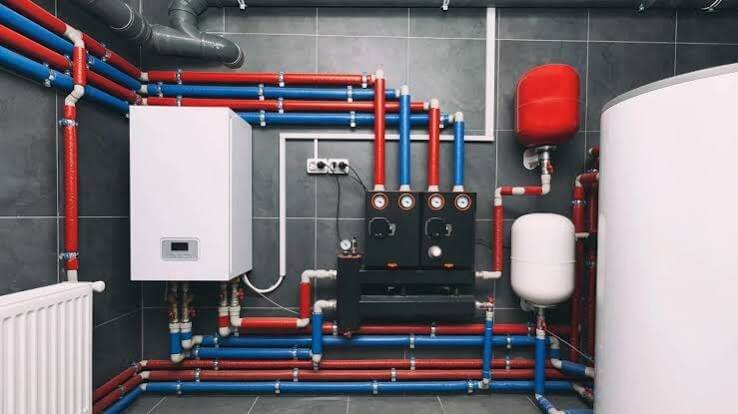
A gas system is not simply a network of pipes. It also includes various types of equipment, devices, and stations that regulate gas pressure, control gas flow, and ensure the overall safety of the system.
In this article, we will explore how natural gas travels from its source to the end user and what technical solutions help ensure the safety of this process.
What Is Gas Piping?
Gas piping is a system of pipelines that transports natural gas from its source to residential, commercial, or industrial facilities. Pipelines can be installed underground or, in certain cases, above ground.
Gas is transported under a specific pressure. Therefore, the pipes and equipment used must be selected according to the operating conditions of the particular system.
Before designing and installing a gas pipeline, specialists consider gas consumption, the characteristics of the facility, the pipeline route, and the required operating pressure.
Once these parameters are determined, suitable pipes and equipment are selected, the system is installed, and the necessary tests and inspections are carried out before commissioning.
Materials Used for Gas Pipes
Various materials can be used in gas piping systems. Each material has its own characteristics, advantages, and areas of application.
Metal Pipes
Metal pipes are one of the commonly used solutions in the gas industry. They are known for their strength and ability to withstand certain operating pressures.
However, metal pipes can be relatively heavy, and their installation may be more complex under certain conditions compared with other materials.
PVC Pipes
PVC, or polyvinyl chloride, is a synthetic polymer material widely used in various engineering systems. Its resistance to corrosion and relatively easy handling are among its advantages.
However, PVC has different resistance characteristics to high temperatures and mechanical stress compared with metal pipes. Therefore, its suitability for a particular gas system should be determined based on applicable technical requirements and standards.
Fiberglass Pipes
Fiberglass pipes can offer high strength and resistance under various operating conditions.
However, the cost, installation requirements, and performance characteristics of fiberglass pipes depend on the specific application and project requirements.
Types of Gas Pipes for Natural Gas
Polyethylene (PE) Gas Pipes
Polyethylene gas pipes are widely used in natural gas distribution systems.
PE pipes are lightweight and flexible, which can make installation easier. One of the key advantages of polyethylene is also its resistance to corrosion.
Due to their flexibility, PE pipes can be particularly convenient for certain complex pipeline routes.
However, the application of PE pipes depends on their operating characteristics, pressure and temperature limitations, and the requirements of the specific project.
Aluminum-Plastic Composite Pipes
Aluminum-plastic composite pipes are manufactured using a combination of aluminum and polymer materials.
This combination can provide both strength and flexibility. Their flexibility can be particularly useful when installing pipelines in confined or complex spaces.
However, the selection of this type of pipe should also be based on the technical parameters of the system and the requirements of the specific facility.
Hot-Dip Galvanized Steel Pipes
Hot-dip galvanized steel pipes are known for their strength and increased resistance to corrosion.
The zinc coating helps protect the steel surface from environmental exposure. As a result, these pipes can be used in certain outdoor and above-ground applications.
However, mechanical damage to the zinc coating can reduce the level of corrosion protection.
Flexible Corrugated Stainless Steel Tubing
Flexible corrugated stainless steel tubing features a flexible construction, which can simplify installation in confined spaces.
One of its advantages is the ability to change the direction of the pipeline more easily in complex installation areas.
When selecting and installing this type of tubing, its mechanical strength, operating pressure, and other technical characteristics must be taken into consideration.
Steel Pipes
Steel pipes are one of the traditional solutions used in the gas industry.
Their main advantages include strength and durability. Under appropriate operating conditions, they can be used in systems with different operating pressures.
At the same time, steel pipes are relatively heavy and have limited flexibility, which can make installation more difficult in certain areas.
How Does a Gas Pipeline System Work?
A gas pipeline system is an interconnected network of pipelines and equipment that transports natural gas from its source to the final consumer.
At different stages of the system, gas is transported under specific pressure conditions.
In general, a gas transportation system can be divided into two main parts:
Transmission gas pipelines — transport gas from production or processing facilities to regional networks.
Distribution gas pipelines — deliver gas through local networks to residential, commercial, and industrial facilities.
The main components of a gas pipeline system include:
Pipelines
Pipelines transport gas from one point of the system to another. Depending on project requirements, pipelines can be installed underground or above ground.
Pipe Fittings
Fittings are used to connect pipes, change the direction of the pipeline, and transition between different pipe diameters.
These include elbows, tees, reducers, and other connecting components.
Valves and Shut-Off Devices
Valves and shut-off devices are used to control gas flow and isolate specific sections of the pipeline when necessary.
Pressure Regulators
Pressure regulators are designed to maintain gas pressure at the required level. Proper pressure regulation is essential for the stable and safe operation of the system.
Gas Meters
Gas meters are used to measure the volume of gas supplied to the consumer.
Key Considerations for Gas Pipeline Installation
Gas pipeline installation requires a professional approach and strict compliance with safety requirements.
Gas pipeline installation should be performed by qualified specialists with the appropriate licenses, permits, and qualifications.
The pipeline route should be carefully planned before installation begins.
Unnecessary sharp bends and changes in direction should be avoided whenever possible.
All connections and valve components must be installed in accordance with applicable technical requirements.
The pipeline must be protected against mechanical damage and other external factors.
After installation, the system must undergo the required testing and inspections.
Before commissioning, the pipeline must be checked for compliance with applicable safety requirements.
Common Problems in Gas Piping Systems
Various technical problems can occur during the long-term operation of gas piping systems.
Corrosion
Metal pipes can be affected by corrosion over time. Therefore, the condition of the pipeline should be regularly inspected and monitored.
Leaks at Connections
Poor-quality or improperly installed connections can result in gas leaks. This is why the quality of installation work is extremely important.
Pressure Problems
Excessively high or low gas pressure can affect the performance of equipment. Pressure parameters should be monitored using appropriate instruments.
Valve and Fitting Failures
Worn or defective valves and fittings can interfere with proper gas flow control.
Pipeline Damage
Mechanical impact, construction activities, and other external factors can cause damage to gas pipelines.
If a gas leak is suspected, do not attempt to repair the problem yourself. Ensure the safety of people in the area, stop using gas equipment, and contact the appropriate qualified professionals.
Conclusion
A gas system is much more than a network of pipes. Alongside pipelines, it includes pressure regulators, valves, fittings, measuring instruments, and other technical equipment that work together as an integrated gas infrastructure system.
Safe and reliable operation requires proper design, high-quality equipment, professional installation, and regular technical maintenance.
That is why the correct selection and application of every component of a gas system play an important role in ensuring its safety, stability, and efficiency.
Partners