Gas Filters and Their Importance
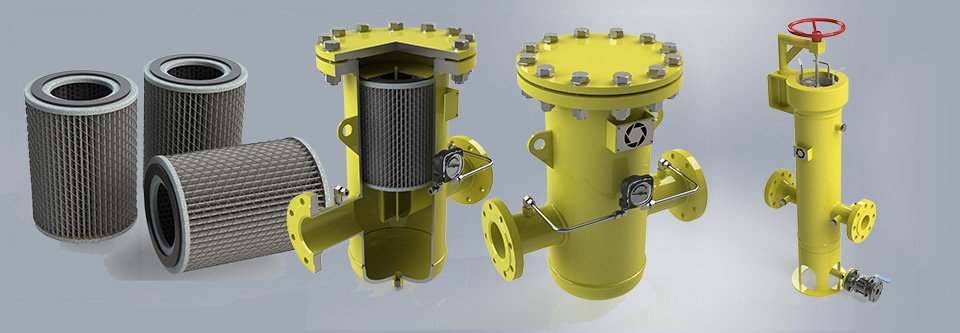
In modern industrial systems, industrial equipment releases various particles into the air, which negatively affects human health.
To prevent this, different types of gas filtration systems are used.
What are gas filters?
Gas filters are important devices that clean gas flows from dust, solid particles, chemical compounds, and other contaminants.
What are the main benefits of gas filters?
• Increased efficiency - Using high-quality gas filters prevents equipment clogging, which in turn maintains stable pressure and prevents additional energy consumption. In addition, the gas flow cleaned from contaminants increases system reliability and significantly reduces additional repair costs.
• Equipment protection - Gas filtration systems not only prevent air pollution but also protect turbines, boilers, and other gas-powered equipment. Even tiny particles invisible to the eye can clog equipment, disrupting gas flow and causing damage.
• Supply of clean natural gas - Natural gas usually contains water vapor, hydrocarbons, and corrosive compounds such as sulfur. Filters clean the gas from these harmful compounds, protect infrastructure, and provide customers with clean natural gas.
• Regulatory compliance - Gas supplies must meet strict quality and safety standards. For example, sulfur contained in gas can cause gas pipelines to wear out over time. Filters help meet these standards by removing substances and particles that create such safety risks.
Why is the maintenance of gas filters important?
Gas filters, which play a significant role in maintaining the longevity of other gas equipment, also require special maintenance.
Because filters used for a long time become contaminated and may release trapped particles back into the gas flow, causing greater damage to equipment.
Regular repair or replacement of gas filters reduces the load on other equipment.
Timely technical maintenance prevents potential dangers and additional costs in the future.
What types of gas filters are there?
Like other equipment, gas filters also have different types depending on their application area:
• Coalescing Filters - These filters are used to remove particles such as oil, water, and other vapors from gas flows. During the coalescence process, small droplets combine into larger droplets and are captured. These filters can remove particles smaller than 0.1 microns, providing a high level of purification.
• Natural Gas Filters - These filters are specially designed to remove solid, liquid, or vapor contaminants before the gas is ready for use.
• Inline Gas Filters - These filters are installed directly in liquid or gas lines. Inline gas filters are mainly used in fuel systems and automotive engines. They remove fibers, sludge, and metals from gas and oil flows.
• Tee-Type Gas Filters - These filters are known as triangular filters with a T-shaped configuration. They are used in industrial processes, hydraulic systems, and water purification.
• Oxygen Filters - Oxygen filters remove particles that may cause ignition. They are made from non-flammable materials to reduce the high risk of fire. These filters are used in operations involving pure oxygen, such as medical laboratories, aerospace applications, and laser cutting processes.
Conclusion
In conclusion, gas filter systems are among the most essential equipment ensuring the proper and safe operation of gas systems.
Having general knowledge about gas filters, their benefits, types, and operating principles allows you to make the right choice and ensures more stable system performance.